El Niño 2023: Unprecedented Ocean Warming Threatens Global Ecosystems
Scientists warn 2023 El Niño is the strongest on record, causing extreme weather, coral bleaching, and seabird die-offs worldwide. Learn how rising ocean temperatures amplify climate impacts.
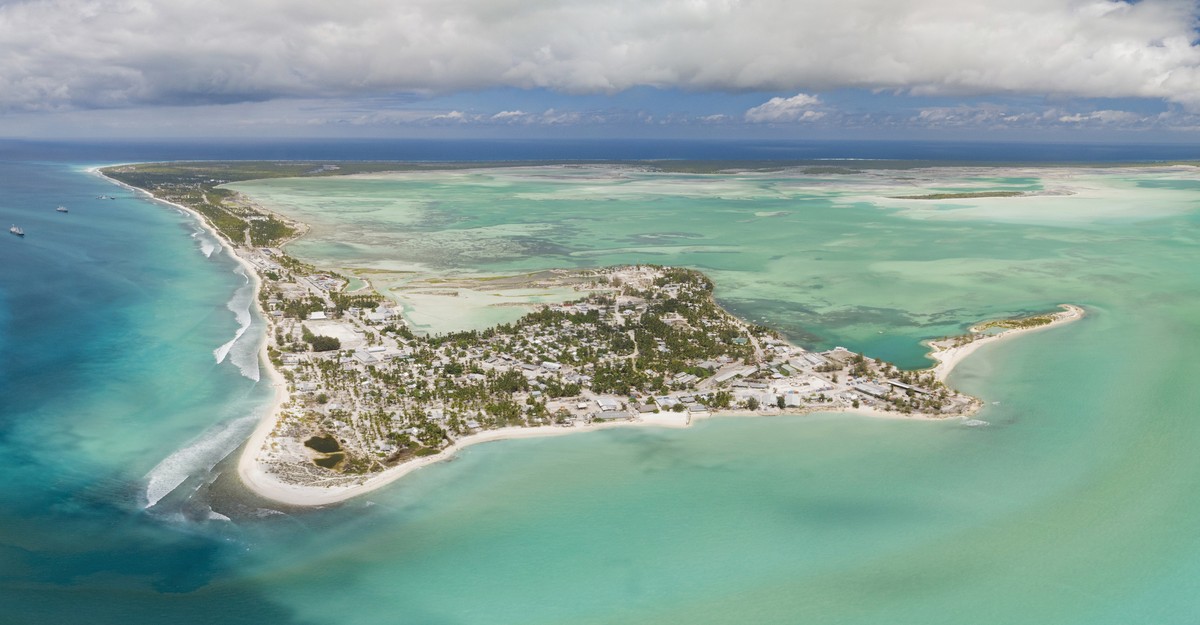
The equatorial Pacific monitoring zone known as Niño 3.4 is experiencing record-breaking warmth, with water temperatures already 3 to 4 degrees Celsius above normal around Kiritimati, the world’s largest atoll. Scientists warn this year’s El Niño event is likely to be the strongest ever recorded, with potential global consequences including intensified storms, severe droughts, and devastating marine ecosystem disruptions.
The current El Niño cycle began in the Niño 3.4 region—a vast area spanning two-thirds the size of China—where buoys and satellites track subtle temperature shifts. A sustained half-degree Celsius increase triggers El Niño classification, but this year’s anomaly is far more extreme. Kristina Tietjen, a researcher studying Kiritimati’s coral reefs, observed water so warm that divers needed only rash guards instead of wetsuits. The coral bleaching she documented suggests another mass die-off may be underway, following the 90% loss during the 2015–16 El Niño.
Experts, including Malte Stuecker of the University of Hawaii’s International Pacific Research Center, project this event could peak at twice the intensity of a typical "Super El Niño," with Niño 3.4 temperatures exceeding 2°C above normal. The warming is driven by deep-ocean heat surging toward the surface, creating an unprecedented spike in global sea-surface temperatures. Europe’s Copernicus Climate Change Service reported a record 21.1°C average on June 11, underscoring how El Niño now operates in a warmer baseline ocean.
The impacts extend far beyond coral reefs. In Peru, Carlos Zavalaga of the Universidad Cientifica del Sur documented seabird die-offs on islands once teeming with pelicans and penguins, as anchovy populations collapsed due to shifting currents. Peru’s anchovy fishery, vital to the economy, was shuttered this month after failing to meet quotas. Zavalaga described the ecological strain as "a second knockout" after a 2020 El Niño and avian flu outbreak, warning of lasting cultural and economic shifts.
Island communities like Kiritimati face immediate challenges. Resident Bill Newton reported flooding, mosquito swarms, and altered wind patterns, while fishermen observed tuna thriving in unusually warm waters. Such changes highlight how El Niño’s effects—once seasonal—now compound with long-term ocean warming, amplifying threats to marine life and coastal livelihoods.
Scientists caution that while El Niño’s frequency remains debated, its intensity is magnified by climate change. With ecosystems like Kiritimati’s coral reefs struggling to recover, this year’s event may mark another irreversible milestone in a warming world.
#ClimateChange #ElNino #CoralBleaching #MarineLife #PeruFisheries #GlobalWarming #Kiritimati
Comments (0)
No comments yet — be the first to weigh in.
Susan Te Kahurangi King: New Zealand's Forgotten Art Legend Rediscovered
Discover how Susan Te Kahurangi King, a self-taught Māori artist, created thousands of drawings over 70 years, only gaining fame decades later. Explore her unique style and legacy.
Rita Dove's 'Just Kidding' Explores Humor and Truth in Contemporary Poetry
Rita Dove’s new poem “Just Kidding” in The New Yorker blends wit and insight to examine modern life, identity, and the power of language and the subtle ways humor shapes our perceptions.

Alaska Senate Race Features Multiple Dan Sullivans: What's Going On?
Alaska's Senate race includes three candidates named Dan Sullivan, causing voter confusion and political disputes. Learn about the candidates and the controversy.

Why Grown Women Are Reliving Childhood at Adult Summer Camp
Discover why over 400 women attended Camp Social in the Poconos to reconnect, make friends, and relive childhood nostalgia in a supportive adult summer camp setting.

Why Liberals Must Urgently Address the U.S. National Debt Crisis
Canada's Nuclear Safeguards Disappearance Raises Global Alarm
Susan Te Kahurangi King: New Zealand's Forgotten Art Legend Rediscovered

IGP Olatunji Disu Boosts Mobile Police Readiness to Counter Banditry, Insurgency
