Global Sea Surface Temperatures Hit Record High Again, Raising Climate Concerns
New data reveals global sea surface temperatures have hit another record high, intensifying risks to marine ecosystems, coastal communities, and global climate stability.

Global sea surface temperatures have reached a record high for the second time this year, raising urgent concerns about the health of marine ecosystems and global climate patterns. On August 22, the daily global average sea surface temperature outside polar regions climbed to 21.1 degrees Celsius (69.98 degrees Fahrenheit), narrowly surpassing the previous record of 21.09 degrees Celsius set in March 2024, according to the European Union’s Copernicus Climate Change Service (C3S). This development follows the release of the 2025 European State of the Climate report, which also confirmed that global ocean heat content—the total heat stored in the ocean—has reached a new record, surpassing the 2024 peak.
The increase in ocean warming carries wide-ranging environmental consequences. Sea surface temperatures directly contribute to sea-level rise, increase the frequency and intensity of marine heatwaves, and place severe stress on vital ecosystems such as coral reefs and seagrass beds. These changes pose significant threats to fisheries and global food security. Samantha Burgess, strategic lead for climate at C3S, emphasized the broader risks: higher sea temperatures can intensify extreme weather events, endanger coastal communities, and weaken the ocean’s capacity to absorb carbon dioxide, thereby reducing its role as a natural climate regulator.
Oceans have absorbed over 90 percent of the excess heat generated by human activities since the 1980s, with the rate of warming nearly doubling in the past two decades. The past four years have all set records for global sea surface temperatures. Burgess noted that the number of marine heatwave days worldwide has more than tripled since the early 1990s, a trend that underscores the accelerating pace of ocean change.
A strong El Niño event in the tropical Pacific Ocean is further amplifying ocean warming. “El Niño is adding heat to the system, but it is doing so on top of decades of human-driven warming,” Burgess explained. This super El Niño is intensifying climate patterns and contributing to extreme marine conditions.
Scientists are particularly worried about mass marine die-offs caused by extreme ocean heat. Coral reefs, which support about 25 percent of all marine species, are especially vulnerable. A large-scale coral die-off could trigger cascading ecological and economic impacts, including the collapse of fisheries and coastal protection systems.
Warmer oceans also threaten coastal communities by damaging fish populations, fueling stronger tropical storms, and accelerating sea-level rise through the melting of glaciers and thermal expansion of seawater. While oceans continue to buffer the climate system, their ability to absorb heat and carbon is diminishing, with growing costs to ecosystems and human societies.
The continued rise in sea surface temperatures highlights the urgent need for global climate action to protect marine biodiversity and coastal resilience.
#MarineHeatRecord #OceanWarming #ClimateChange #CopernicusClimate #ElNino #CoralReefs #SeaLevelRise
Comments (0)
No comments yet — be the first to weigh in.
Related Coverage
 Environment
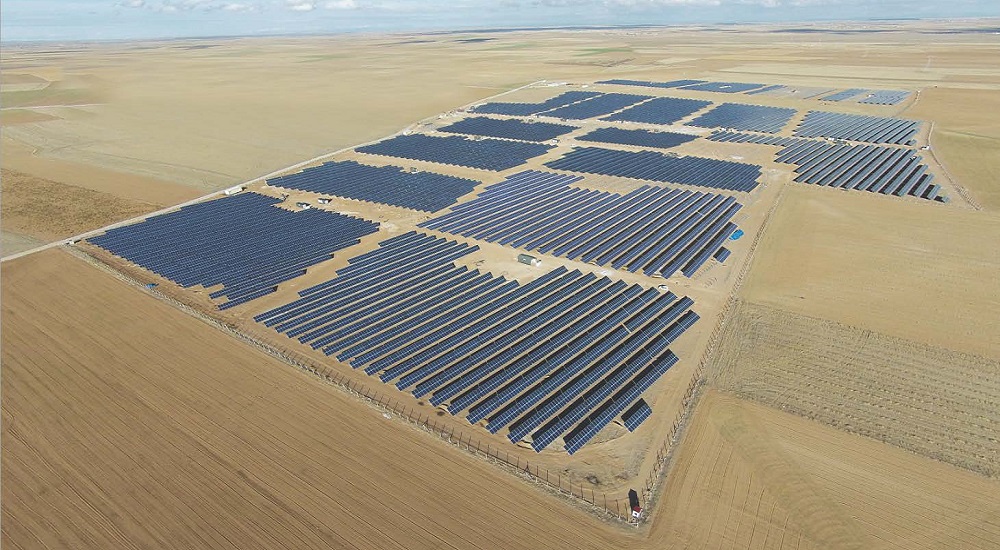
Machine Learning Boosts Irradiance Prediction for Bifacial Solar Panels
Research from Selçuk University compares machine learning models to improve plane-of-array irradiance predictions for bifacial photovoltaic systems using NREL field data.
 Environment
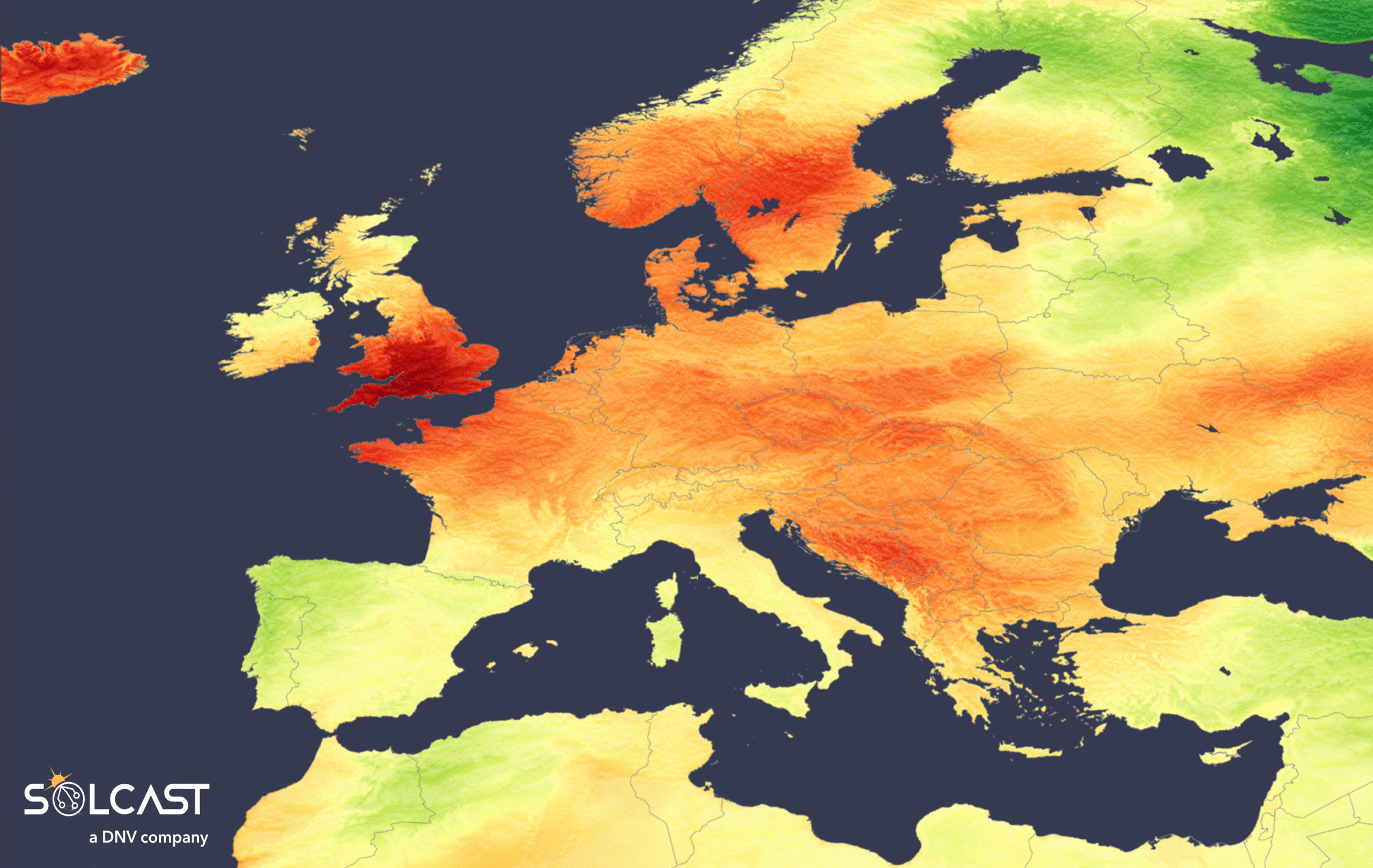
Europe’s solar resource surplus continues before late-August cloud shift
Europe’s solar resource surplus persisted across much of the continent in August 2026, with global horizontal irradiance averaging 5% above the 2007–2025 norm,...
 Environment
Canada's Solar Energy Growth: Provinces Chart Diverse Paths to 2035 Goals
Canada's solar sector shows uneven growth across provinces, with incentives in Quebec and Ontario driving expansion, while others reconsider net metering policies amid US trade uncertainties.
 Environment
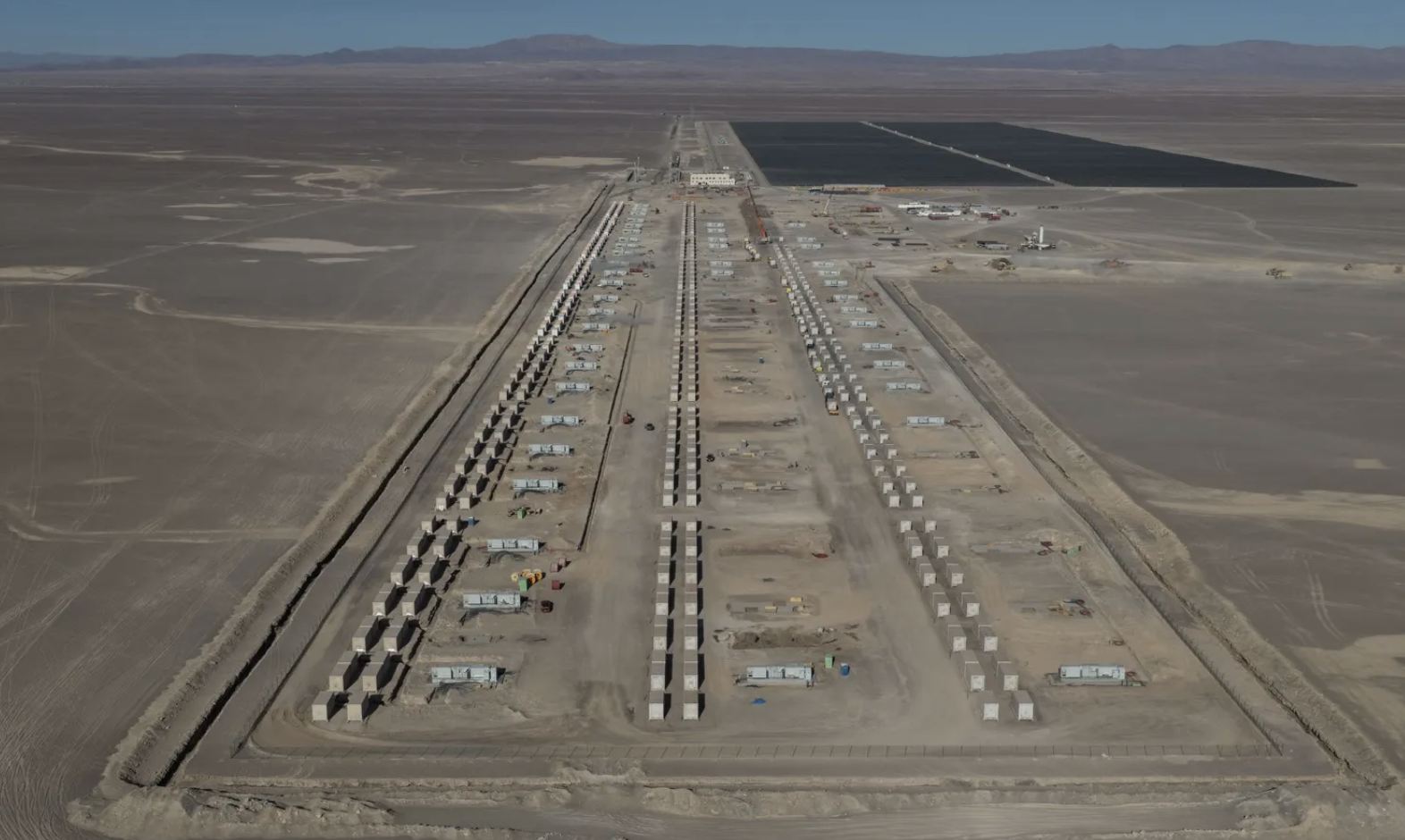
Latin America Energy Storage Forecast Jumps to 34 GW by 2035: Wood Mackenzie
Wood Mackenzie’s latest outlook projects Latin America’s energy storage capacity to surge to 34 GW by 2035, driven by regulatory frameworks and renewable integration needs. Key markets include Chile, Brazil, and Mexico.
Most Read

Tottenham Hotspur sign Omar Marmoush on loan from Man City with permanent deal option

Nepal Flash Floods Death Toll Rises to 626, Over 2,400 Missing
Nicole Rifkin’s New Yorker Cover Honors Dolly Parton’s Legacy
Machine Learning Boosts Irradiance Prediction for Bifacial Solar Panels