Gendered Language in Tech: Replacing ‘Male’ and ‘Female’ Connectors
Industry experts weigh in on replacing gendered terms like ‘male’ and ‘female’ for connectors. Explore style guide stances, inclusive language, and industry impact.
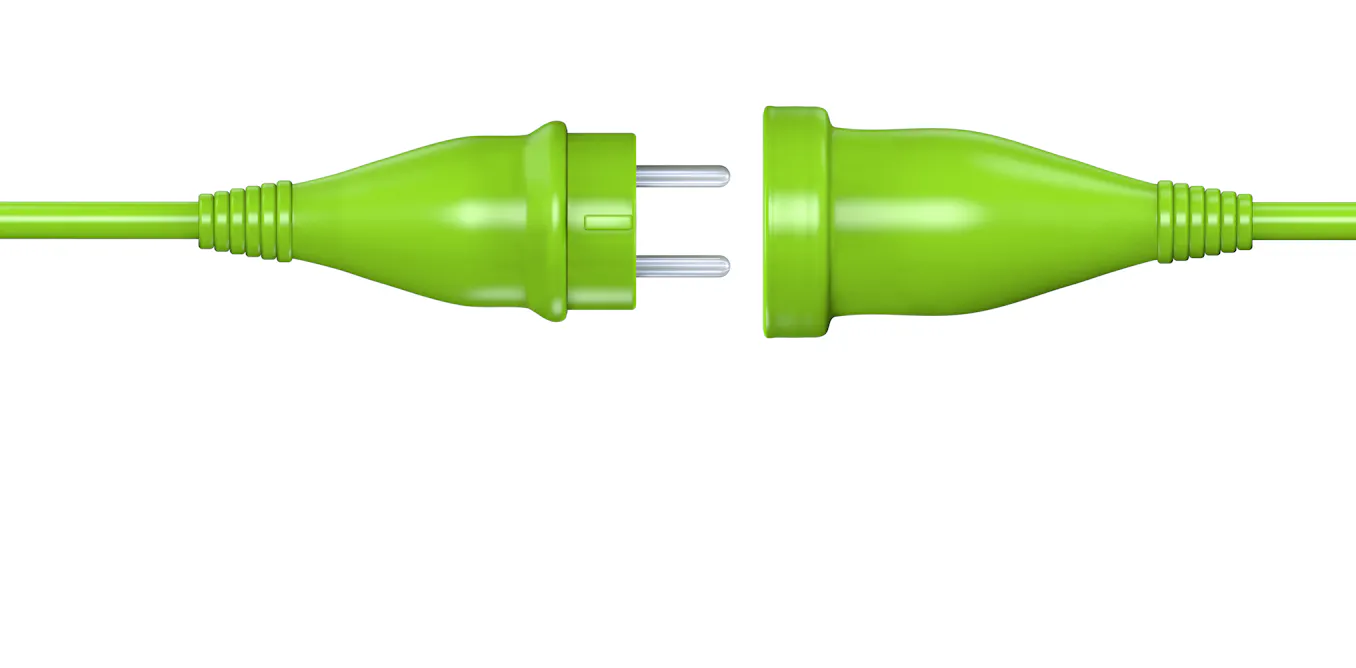
The long-standing use of “male” and “female” to label connector ends on garden hoses, electrical cords, pipe fittings and other common hardware is facing growing criticism for its perceived gendered implications. Critics argue the terms—common in industries from solar installation to plumbing—assume a binary gender model that can feel exclusionary or anatomically suggestive. As language evolves toward greater inclusivity, debates over whether to replace these terms with neutral alternatives like “plug” and “socket” are intensifying among editors, technical communicators and professional organizations.
The discussion spans multiple sectors where “male” and “female” are standard jargon. Plumbers refer to pipe fittings using these terms, firefighters describe hose connections with them, and electricians use them for twist-lock plugs. Even consumer brands like Ace Hardware market products labeled with “male/female” terminology. While the terms are deeply embedded in technical language, some professionals—especially in audiovisual, theater and IT—question their appropriateness, noting that gender and sex are distinct and that binary labels may not reflect modern understandings of identity.
A recent survey of 27 professional editors, coordinated through ACES: The Society for Editing, revealed a split in responses. When asked how they would handle a sentence like “Insert the two-pronged male end into the female receptacle in the console,” ten editors chose to retain the terms, nine opted to query the author, and eight decided to edit the language entirely. This reflects broader uncertainty in style guidance. Major style guides such as the *Chicago Manual of Style*, *AP Stylebook* and *APA Inclusive Language Guide* currently offer no specific guidance on the use of “male” and “female” for connectors. However, tech-focused guides are beginning to act: Google’s Developer Documentation Style Guide recommends using “plug” and “socket,” while Apple’s style guide suggests “plug,” “socket” or “port.”
Opponents of change often cite three main concerns. Some frame inclusivity efforts as “woke” overreach, comparing the shift in connector terminology to long-debated changes like replacing “mankind” with “humankind” or “stewardess” with “flight attendant.” Others argue that “male” and “female” are inherently intuitive because they evoke biological analogies, though experts note that connector shapes don’t always mirror sex organs—such as in solar panel connectors, where the “female” side may protrude and the “male” side contain a pin. The strongest objection is practical: the terms are widely understood across industries, making replacement disruptive to communication and professional workflows.
Language change often moves slowly, particularly in technical fields. Recent executive orders aimed at curbing diversity-related language in federal contexts may slow progress. Yet history suggests such shifts eventually take hold. Terms once considered standard—like “nice” meaning “ignorant” or “awful” meaning “worthy of awe”—have faded from use. Whether “male” and “female” endure as connector labels remains to be seen, but the conversation reflects a broader cultural movement toward language that aligns with evolving social values.
#GenderNeutralLanguage #TechnicalWriting #EditingStandards #ConnectorTerminology #InclusiveLanguage #ACES #StyleGuide #TechCommunication
Comments (0)
No comments yet — be the first to weigh in.
Related Coverage
 Science
More protein in your breakfast or snacks won’t give you more muscle without more work – a biologist separates the science from the marketing
The modern breakfast aisle looks dramatically different than it did a generation ago, with protein-enriched cereal, bread, chips, and even Pop-Tarts now crowdin...
 Science
Thunderquakes: New Seismic Imaging Method Uses Thunder to Map Earth's Subsurface
Scientists discover how thunderquakes can X-ray the ground below, offering a cost-effective way to map groundwater, sinkholes, and subsurface hazards using existing fiber-optic cables.
 Science
Just as the world appears to be losing its appetite for books, William T. Vollmann pens a 3,000-page novel
William T. Vollmann’s forthcoming novel, *A Table for Fortune*, arrives as public interest in long-form reading appears to decline. The 3,000-page, four-volume...
 Science
Science Behind Ice Cubes Cooling Your Drink Explained
Discover how ice cubes lower drink temperature through energy transfer and heat exchange in simple terms. Learn the physics behind cooling your beverage.
Most Read

Arunachal CM Unveils Vision 2036 for Youth Skill & Entrepreneurship Growth
KPop Demon Hunters Joins Criterion Collection: Why the Animated Hit Stands Out
Global renewable energy investments hit $327.5B in H1 2026, solar-plus-storage surges

Supreme Court Allows Trump’s Mail-In Voting Restrictions to Proceed: What It Means for Midterms
