Just as the world appears to be losing its appetite for books, William T. Vollmann pens a 3,000-page novel
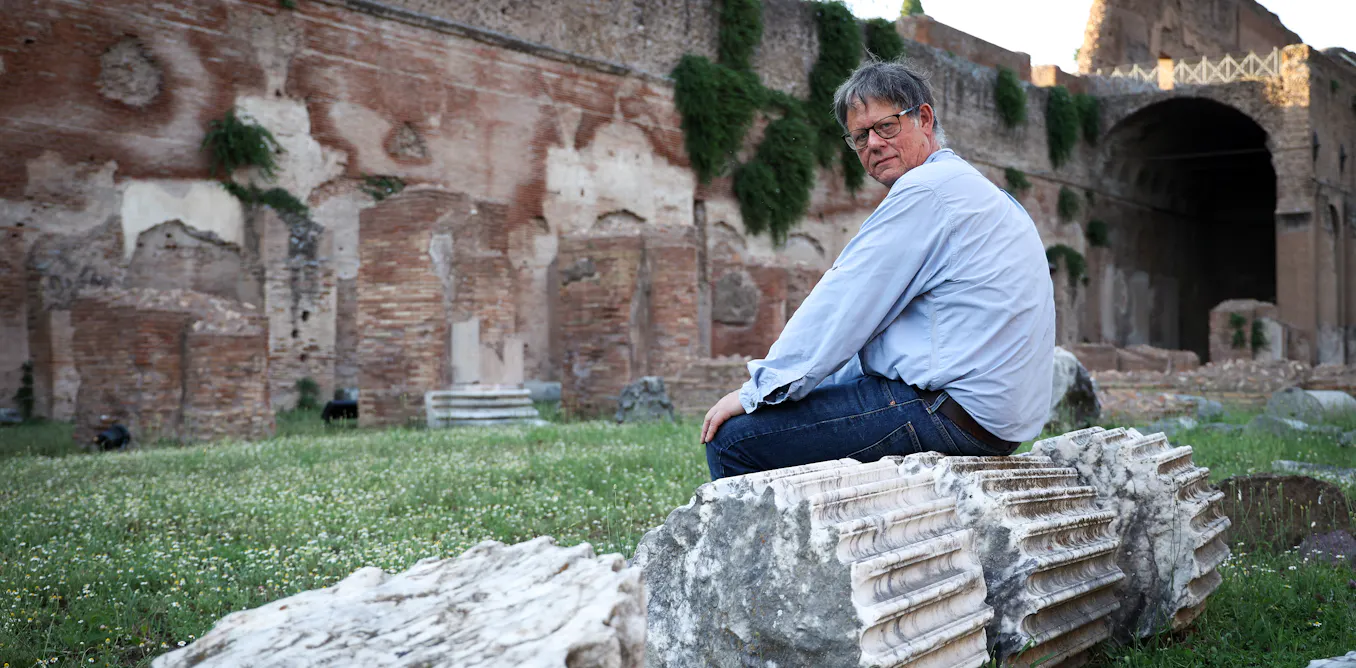
William T. Vollmann’s forthcoming novel, *A Table for Fortune*, arrives as public interest in long-form reading appears to decline. The 3,000-page, four-volume work stands as a bold counterpoint to concerns over the future of books, publishing, and literacy. Vollmann, a 67-year-old author known for ambitious, uncompromising projects, has spent decades exploring global poverty, North American history, and climate change across roughly 25 books—many exceeding 500 pages.
His latest work examines the roots and consequences of the September 11 attacks, framing them as both a historical turning point and a continuing crisis. The novel follows two central characters: DAVE, a CIA analyst whose faith in American ideals erodes after 9/11 and the War on Terror, and his son Matthew, who seeks purpose amid addiction and homelessness. Vollmann’s approach blends ideas and emotions, weaving geopolitical critique with personal struggle.
The timing of the novel’s release is fraught. In 2022, Vollmann faced personal and professional setbacks, including the loss of his daughter, the end of his long-term publishing relationship with Viking, and health challenges including colon cancer. Meanwhile, the publishing industry grapples with declining readership and shifting educational expectations, making long, complex books seem increasingly out of step with market realities.
Yet Vollmann’s maximalist style may offer more than mere literary ambition. His works challenge readers to confront uncomfortable truths about power, policy, and unintended consequences. In *A Table for Fortune*, he interrogates how well-intentioned actions can devolve into further harm, echoing ongoing conflicts in the Middle East and the unresolved legacies of 9/11. The novel aligns with a tradition of literary maximalism, joining predecessors like Thomas Pynchon’s *Gravity’s Rainbow* and Don DeLillo’s *Underworld*, as well as contemporary works such as David Foster Wallace’s *Infinite Jest*.
Critics note that Vollmann’s methods—layered narratives, extensive research, and unflinching detail—reflect a deep sense of responsibility. His books are not long for spectacle, but to address urgent, systemic questions. In an era of misinformation and algorithm-driven discourse, his work offers a counterbalance: sustained, critical engagement with history and ethics.
Though the publishing landscape grows more cautious, Vollmann’s novel finds support among independent houses. Deep Vellum and others continue to champion ambitious literature, including international works like Mircea Cărtărescu’s *Solenoid* and Michael Lentz’s *Schattenfroh*. These projects suggest a persistent, if niche, appetite for challenging, expansive storytelling.
For Vollmann, the novel is both a personal testament and a public challenge. As he reflects in his note to readers, the failures of the post-9/11 world arise from unlearned lessons, expedient power, and disabled consciences—exacerbated by chance. *A Table for Fortune* does not promise easy answers, but it insists on asking the right questions.
#WilliamT.Vollmann #ATableForFortune #LiteraryMaximalism #September11 #ContemporaryLiterature #PublishingIndustry #LiteraryCriticism #LongFormReading
Comments (0)
No comments yet — be the first to weigh in.
Related Coverage
 Science
DSM-6 to Integrate Biology in Mental Health Diagnosis for First Time
The DSM-6 will incorporate biological factors for the first time, marking a shift towards evidence-based psychiatry. Explore the challenges and advancements in neurobiology shaping the next edition.
 Science
Islanders asked to report sightings of rare eel
Islanders Urged to Report Sightings of Critically Endangered European Eel in Guernsey Guernsey’s Nature Commission is appealing to residents to report sightings...
 Science
The importance of teaching students what AI can’t do
The growing role of artificial intelligence in education raises concerns about over-reliance on AI tools and the potential erosion of critical thinking skills a...
 Science
More protein in your breakfast or snacks won’t give you more muscle without more work – a biologist separates the science from the marketing
The modern breakfast aisle looks dramatically different than it did a generation ago, with protein-enriched cereal, bread, chips, and even Pop-Tarts now crowdin...
Most Read

Three-storey building collapses at Swaminarayan temple in Prayagraj, no casualties
Kai Bird Explores Roy Cohn's Influence on Donald Trump's America

Canada's Solar Energy Growth: Provinces Chart Diverse Paths to 2035 Goals

Autumn Hill Sentenced to 50 Years in Prison for Anti-ICE Protest: A Case of Political Persecution?
