Fitness Tracker Privacy Risks: What Companies Aren't Doing to Protect Your Health Data
Fitness trackers collect sensitive health data, but many companies fail to protect it. Learn how to safeguard your privacy with tips from EFF's latest report.

Wearable fitness devices like smartwatches, fitness bands and health rings are collecting more personal data than ever—but many companies behind these gadgets are failing to adequately safeguard sensitive information, according to a new report from the Electronic Frontier Foundation (EFF).
The digital rights group highlighted ongoing privacy risks in its latest EFFector newsletter, the organization’s 38th volume, which examines how wearables collect and share user data. EFF has been tracking digital privacy and civil liberties issues for over 35 years, and its latest issue also covers drone surveillance by law enforcement and legal rulings on border searches of electronic devices.
Fitness trackers and health monitors gather detailed data on users’ heart rates, sleep patterns, movement and locations. While these insights can promote health and wellness, they also create significant privacy concerns—especially if that data is shared, sold or exposed in a breach.
In an interview featured in the EFFector podcast, EFF Senior Security and Privacy Activist Thorin Klosowski discussed the current state of fitness tracker privacy and what companies could do to improve protections. The episode is available on major podcast platforms for listeners who prefer audio content.
Despite growing consumer adoption of wearables, many manufacturers still lack robust data protection policies. EFF says companies should implement stronger encryption, minimize data collection and be transparent about how data is used and shared. Without these safeguards, sensitive health information could be vulnerable to misuse by advertisers, insurers, hackers or government agencies.
The EFFector newsletter encourages readers to take action by signing up for updates, joining advocacy efforts and supporting the organization’s mission. EFF provides resources for users to better understand their digital rights and offers ways to get involved in protecting privacy and free speech online.
For those who use fitness trackers or plan to, experts recommend reviewing privacy settings, choosing devices from companies with strong data policies and being cautious about linking health apps to other services. As wearables become more integrated into daily life, ensuring data security remains a critical challenge for both consumers and regulators.
#FitnessTrackerPrivacy #ElectronicFrontierFoundation #DigitalPrivacy #WearableTech #HealthData #ThorinKlosowski #PrivacyRights #TechSecurity
Comments (0)
No comments yet — be the first to weigh in.
Related Coverage
 Technology
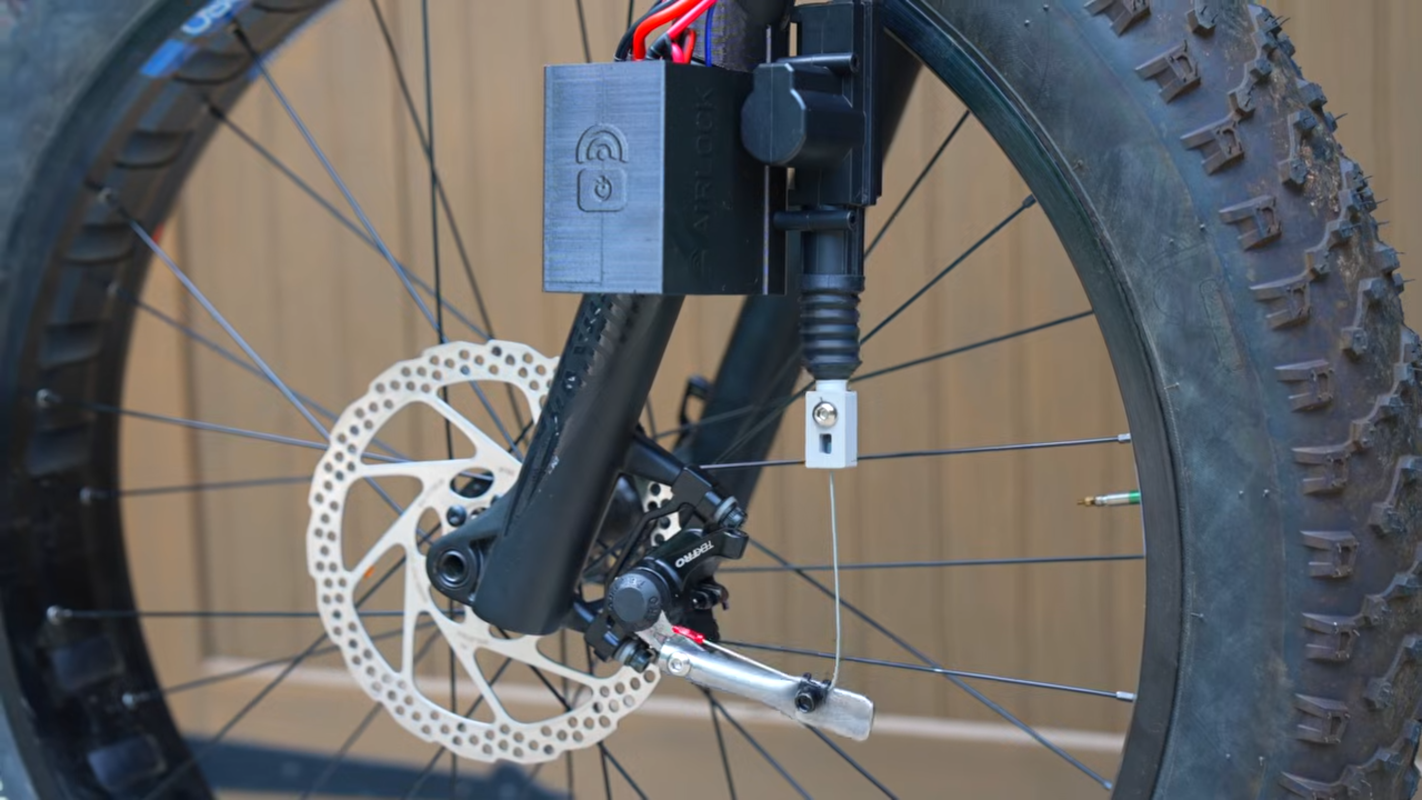
Wireless Fat Tire Brakes: ESP32‑Powered ABS and Remote Control Demo
Tested on a fat‑tire bike, the ESP32‑controlled wireless brakes add ABS, remote‑control, and a braking‑equalizer, showing the future of electronic mountain‑bike braking.
 Technology
Wikipedia on a Cheap Yellow Display
A hobbyist has adapted the Cheap Yellow Display (CYD), a budget-friendly microcontroller board, to serve as an offline Wikipedia reader by running a customized...
 Technology
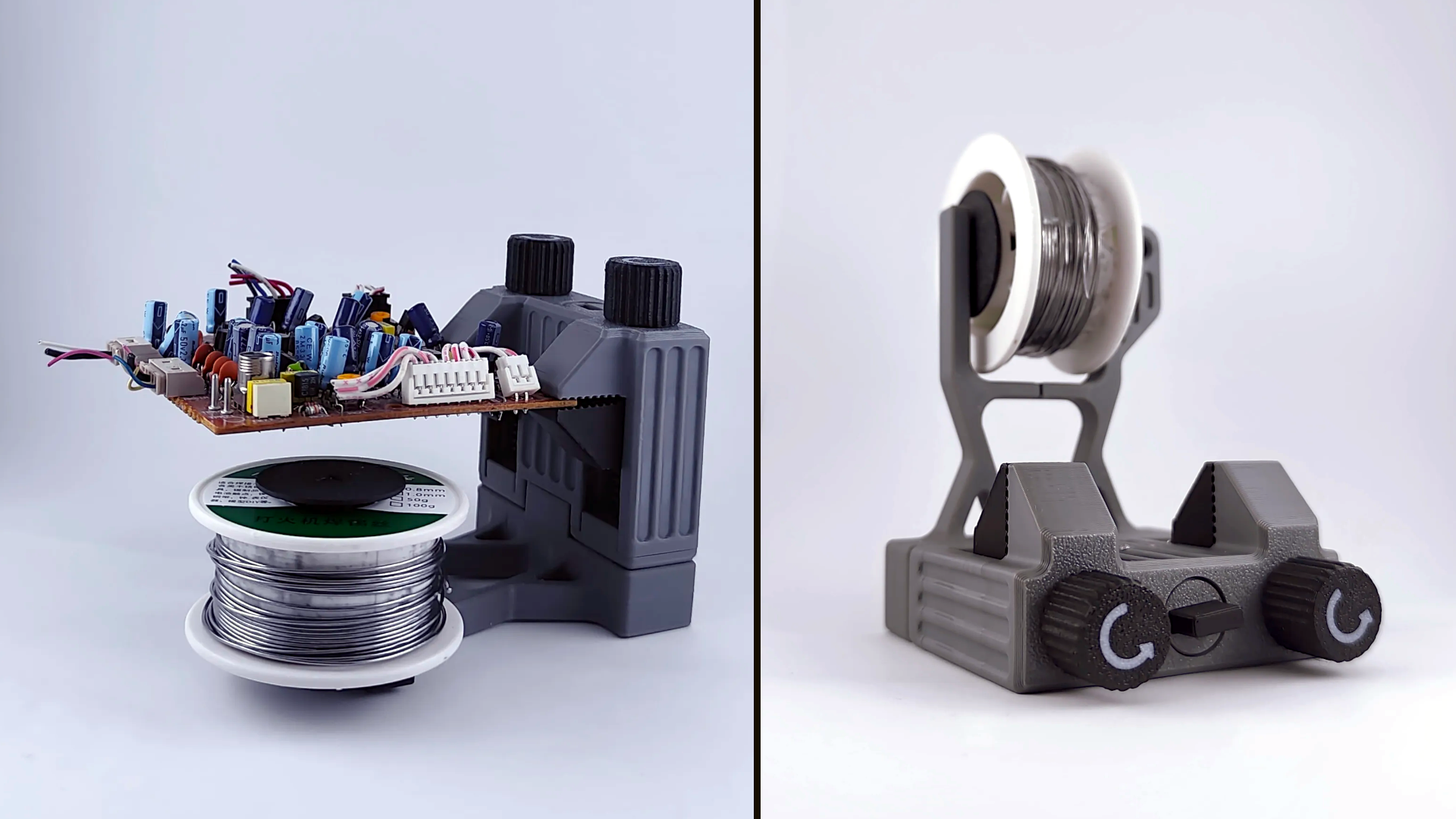
Compact PCB Vise Uses Up That Leftover Filament
A 3D-printed PCB vise created by a maker known online as Chefkoch offers enthusiasts a practical way to repurpose leftover filament spools while gaining a usefu...
 Technology
Apple Health App Revamp with AI Coach Set for September 2024 Release
Apple’s upcoming Health app overhaul, dubbed Project Mulberry, will add an AI health coach, blood‑sugar tracking and camera‑based workout guidance—likely launching in September 2024.
Most Read

Three-storey building collapses at Swaminarayan temple in Prayagraj, no casualties
Kai Bird Explores Roy Cohn's Influence on Donald Trump's America

Canada's Solar Energy Growth: Provinces Chart Diverse Paths to 2035 Goals

Autumn Hill Sentenced to 50 Years in Prison for Anti-ICE Protest: A Case of Political Persecution?
