Europe Faces Winter Gas Shortage as Storage Hits Two-Decade Low
Europe's gas storage levels fall to their lowest in twenty years, raising concerns about winter supply, price spikes, and the need for policy measures.
Europe is entering the winter heating season with natural gas storage levels at their lowest point in two decades, raising concerns about potential supply shortages and price volatility across the continent.
According to the latest data from industry tracker Gas Infrastructure Europe, underground gas storage facilities were filled to just 62.5 percent of capacity as of August 28, the lowest level recorded for this time of year since 2004. The deficit is particularly acute in key storage hubs such as Germany, where levels stand at 60.2 percent, and France at 58.8 percent. Analysts attribute the shortfall to a combination of factors, including reduced pipeline imports from Russia following supply cuts in 2022, and elevated demand from Asia that has diverted liquefied natural gas (LNG) shipments away from European markets.
The European Union has sought to mitigate the risk by mandating minimum storage levels of 90 percent by November 1, but compliance remains uneven. As of late August, only nine of the EU’s 27 member states had met or exceeded this target. Poland, for instance, has filled its storage to 95 percent, while Germany and Italy lag behind at 60 and 64 percent respectively.
The precarious storage situation reflects broader structural challenges in Europe’s energy transition. Since the sharp reduction in Russian gas deliveries, the continent has scrambled to diversify its supply through LNG imports, particularly from the United States and Qatar. However, global LNG markets remain tight, with prices elevated due to high Asian demand and limited new export capacity coming online in the short term.
The European Commission has acknowledged the risks but insists that the situation is manageable. “We are in a much better position than last year at this time,” said a spokesperson for the Commission’s energy directorate. “Stock levels are lower than ideal, but we have a robust plan in place, including demand reduction measures and emergency sharing protocols among member states.”
Still, energy analysts warn that a cold winter or further disruptions in supply could push prices higher, straining household budgets and industrial consumers alike. “The margin for error is very slim,” said Simone Tagliapietra, senior fellow at the Bruegel think tank in Brussels. “If we face a prolonged cold snap, we could see prices spike again, especially in countries heavily reliant on gas for heating.”
In response, several EU countries have announced contingency measures. France has reactivated some mothballed nuclear reactors to reduce gas demand, while Germany has extended the operational life of coal plants to preserve gas for heating. The European Central Bank has also cautioned that energy-driven inflation could delay monetary easing, further complicating economic recovery efforts.
While the immediate outlook remains uncertain, energy officials emphasize that Europe has made significant progress in reducing gas consumption. Final energy demand in the EU fell by 5.5 percent in the first half of 2024 compared to the same period in 2021, driven by efficiency gains and fuel switching.
Yet as temperatures begin to drop, policymakers, businesses, and households across Europe are bracing for what could be a challenging winter—one where energy security is once again tested, and affordability remains a pressing concern.
Comments (0)
No comments yet — be the first to weigh in.
Related Coverage
 Business
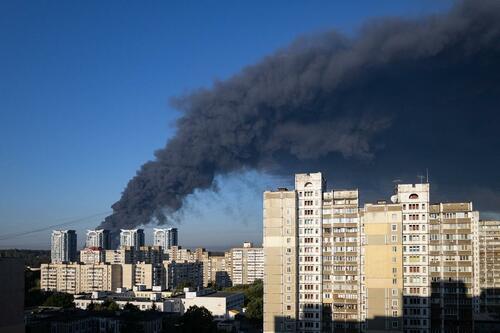
Russian Drone Strike on Kiev Ammo Depot Kills 37, Sparks Evacuations
A Russian drone strike on an ammunition depot near Kiev caused massive explosions, killing 37 and injuring dozens. Ukraine's food logistics infrastructure is 90% destroyed, raising concerns ahead of winter.
 Business
Mamdani Begs Capitalists At The Adult Table For Help
New York City Mayor Zohran Mamdani has launched a Business Advisory Council, signaling a notable shift in his approach to engaging with the city's business...
 Business
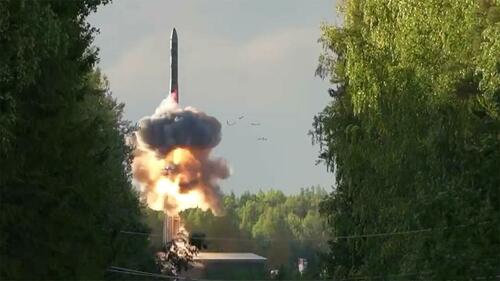
Watch: Russian Military Conducts Test Of Huge Mobile ICBM
Russia’s Defense Ministry announced Friday that its Strategic Missile Forces conducted a successful test launch of a mobile, solid-fuel intercontinental ballist...
 Business
Have We Really Learnt The Lessons Of The GFC?
Two decades after the 2006 launch of the Constant Proportion Debt Obligation (CPDO), a financial product that promised AAA-rated returns while leveraging bets o...
Most Read
Russian Drone Strike on Kiev Ammo Depot Kills 37, Sparks Evacuations

At least 37 dead and hundreds evacuated after strike on Kyiv warehouse
Ian Frazier and Samy Burch Discuss 'Coyote vs. Acme' in The New Yorker
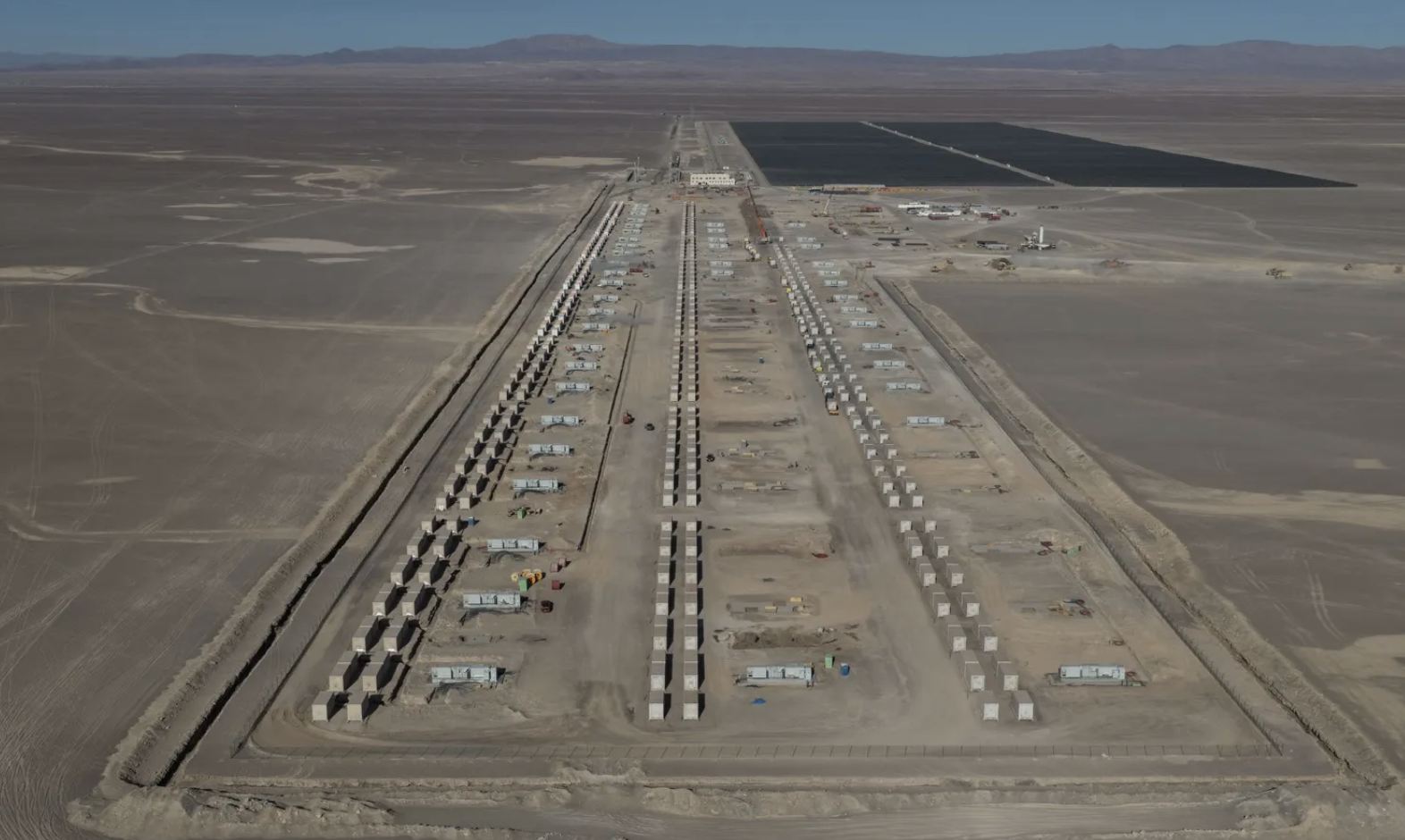
Latin America Energy Storage Forecast Jumps to 34 GW by 2035: Wood Mackenzie