ESP32-Powered Headless Game Boy Emulator Streams via WiFi
Discover how an ESP32 microcontroller emulates a Game Boy, streaming video and audio over WiFi for browser-based gameplay without additional hardware.
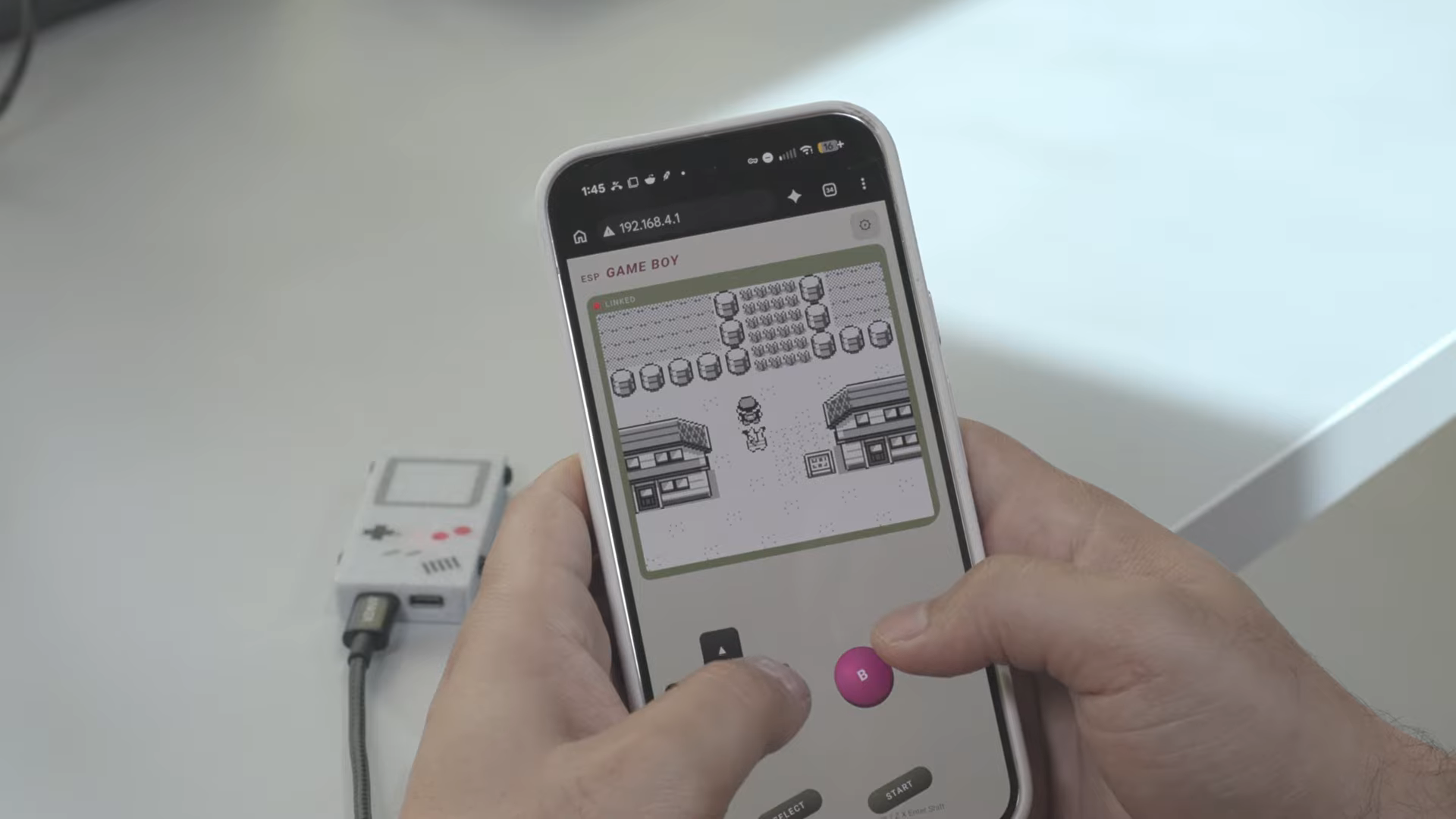
A unique Game Boy emulator built on an ESP32 microcontroller has been developed by [Artificial-Age], offering a browser-based interface for streaming gameplay without a direct screen or physical controls.
The project utilizes an ESP32-S3, a chip capable of handling the Game Boy’s modest 8-bit architecture and 4 MHz processing speed. Unlike traditional emulators that run on computers or phones, this version operates headlessly—meaning it lacks a built-in display or buttons. Instead, users connect to the device via a self-hosted WiFi access point and interact with the emulator through a web browser. The interface streams video and audio from the emulated Game Boy while accepting input from either a keyboard or touchscreen, depending on the user’s device.
ROM files are stored directly on the ESP32’s internal flash storage and can be uploaded through the web interface, eliminating the need for external storage. This approach sets the project apart from conventional emulators, which typically require software installation or preloaded game files.
While modern smartphones can easily emulate the Game Boy, this setup offers a distinct advantage in accessibility. Users can simply connect to the ESP32’s WiFi network and access the emulator without downloading additional software, making it a convenient option for quick, shareable gameplay. The project also aligns with a broader trend of creative emulation solutions, including other notable retro computing projects featured in recent coverage.
The ESP32-based emulator demonstrates how compact, low-power hardware can be repurposed for retro gaming through innovative software design. By leveraging WiFi and web technologies, [Artificial-Age] has created a portable, no-frills gaming solution that prioritizes ease of use over traditional hardware dependencies.
Though not as performant as high-end emulation platforms, the project highlights the versatility of the ESP32 platform and offers a novel way to experience classic Game Boy titles. The absence of a physical interface underscores a shift toward cloud-like accessibility in personal computing projects, where software and networking take precedence over dedicated hardware.
Comments (0)
No comments yet — be the first to weigh in.
Related Coverage
 Technology
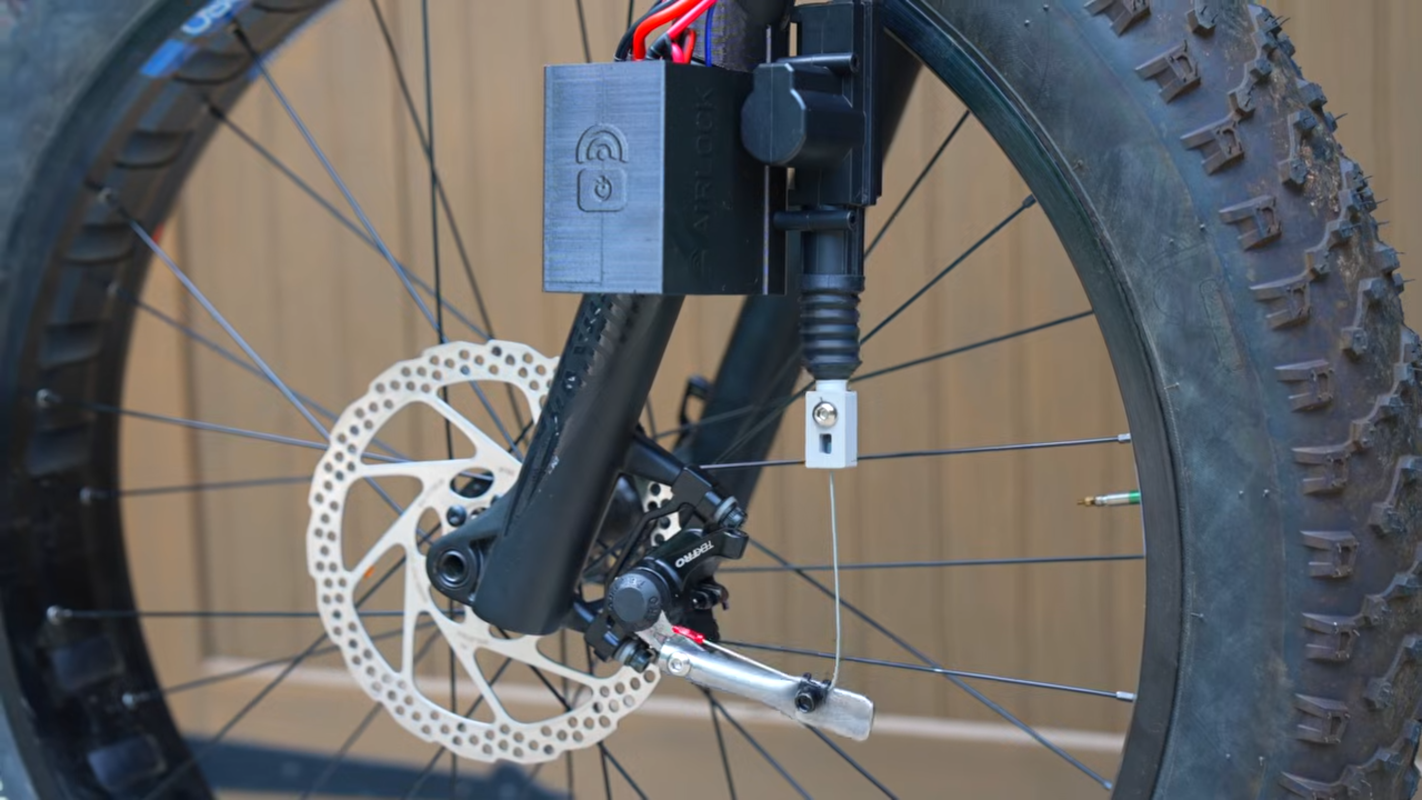
Wireless Fat Tire Brakes: ESP32‑Powered ABS and Remote Control Demo
Tested on a fat‑tire bike, the ESP32‑controlled wireless brakes add ABS, remote‑control, and a braking‑equalizer, showing the future of electronic mountain‑bike braking.
 Technology
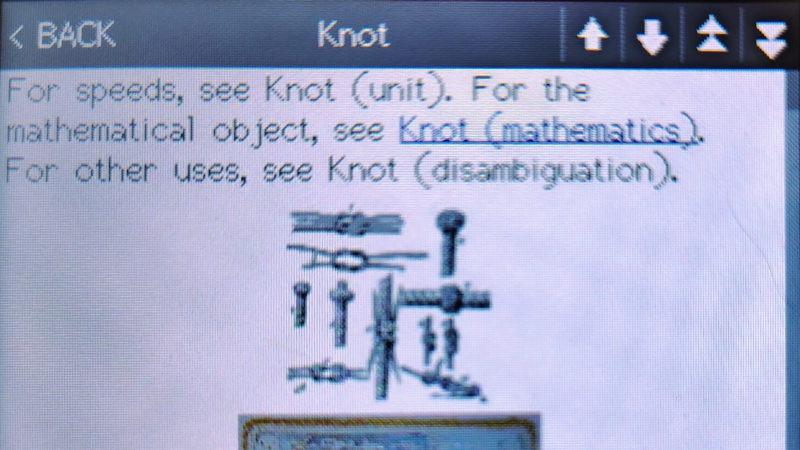
Wikipedia on a Cheap Yellow Display
A hobbyist has adapted the Cheap Yellow Display (CYD), a budget-friendly microcontroller board, to serve as an offline Wikipedia reader by running a customized...
 Technology
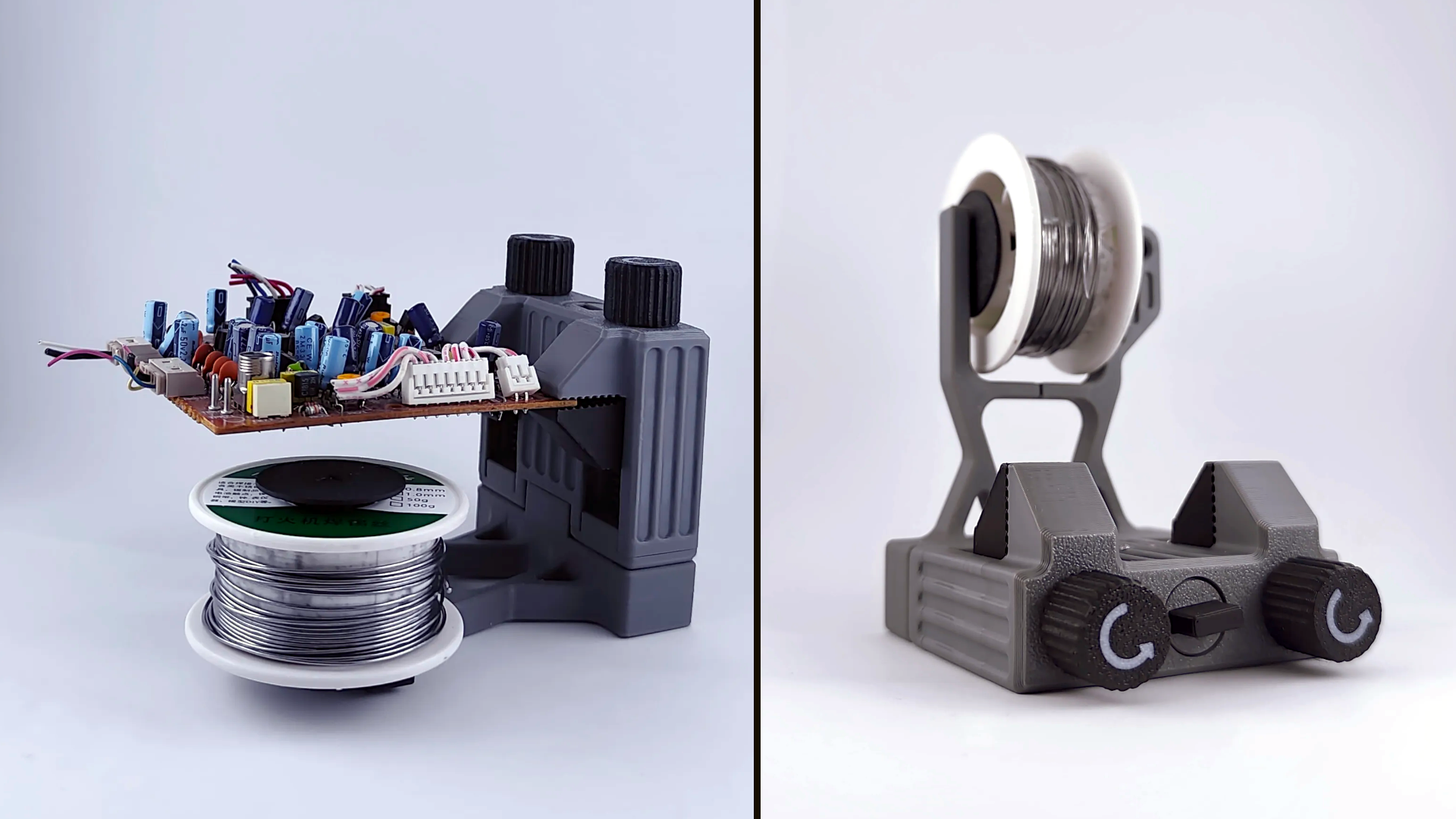
Compact PCB Vise Uses Up That Leftover Filament
A 3D-printed PCB vise created by a maker known online as Chefkoch offers enthusiasts a practical way to repurpose leftover filament spools while gaining a usefu...
 Technology
Apple Health App Revamp with AI Coach Set for September 2024 Release
Apple’s upcoming Health app overhaul, dubbed Project Mulberry, will add an AI health coach, blood‑sugar tracking and camera‑based workout guidance—likely launching in September 2024.
Most Read
Ian Frazier and Samy Burch Discuss 'Coyote vs. Acme' in The New Yorker

Latin America Energy Storage Forecast Jumps to 34 GW by 2035: Wood Mackenzie


Tarkowski strikes late to rescue point for Everton at Bournemouth
