EPR Laws Push Companies Toward Greener Packaging—State Alignment Needed
EPR laws shift packaging waste costs to producers, pushing greener designs. But inconsistent state rules hinder impact. Unified standards could unlock potential.
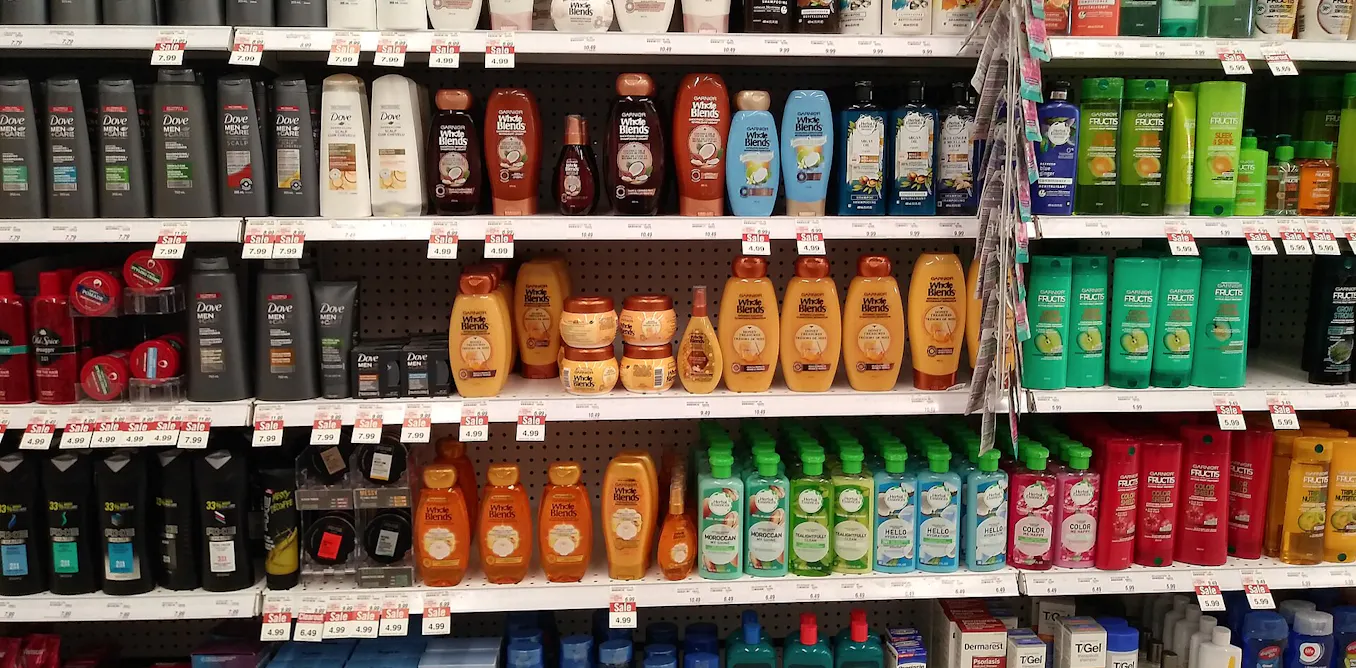
In the aisles of grocery and retail stores across the United States, consumers face a growing challenge when selecting products amid a sea of packaging options. From rigid plastic containers to flexible tubes, refillable canisters, and solid bars wrapped in paperboard, each choice presents different environmental trade-offs. Labels promising recyclability, compostability, or reduced carbon footprints further complicate decisions, while local recycling rules vary widely, making disposal equally confusing. A policy gaining momentum in U.S. states aims to address this complexity by shifting responsibility—and cost—for packaging waste from taxpayers to the companies that produce it. Known as extended producer responsibility, or EPR, this approach could drive more sustainable packaging design, but only if states align their regulations.
Extended producer responsibility is rooted in the “polluter pays” principle, which holds that those responsible for generating pollution should bear the cost of managing it. Under EPR policies, large consumer goods companies such as General Mills, PepsiCo, and Unilever would assume financial and operational responsibility for collecting, recycling, or disposing of the packaging their products use. This shift moves the burden from municipal waste systems to corporate entities, creating an incentive to redesign packaging to reduce environmental harm.
First introduced in Europe in the 1990s, EPR has since been adopted in over 400 laws worldwide, covering products from electronics to textiles. In the U.S., EPR is emerging at the state level, with seven states—including Maine, Oregon, and Colorado—enacting laws since 2021. More than a dozen others are exploring similar measures. These policies typically require producers to pay fees to producer responsibility organizations based on the type and volume of packaging they sell. The collected funds are then used to support recycling infrastructure and operations.
A growing refinement of EPR is eco-modulation, which adjusts fees based on packaging design choices. Companies that use recycled content may receive lower fees, while those employing hard-to-remove labels or non-recyclable materials could face higher costs. This mechanism is designed to encourage greener design by aligning financial incentives with environmental outcomes.
Despite progress, the U.S. faces a fragmented regulatory landscape. With each state setting its own rules, companies struggle to meet conflicting requirements. Some policies prioritize funding local recycling systems, while others focus on reducing environmental impact through reusable or compostable packaging. Without standardized goals—such as consistent definitions of recyclability or shared design standards—multinational corporations may treat compliance as a cost rather than a driver of innovation.
Experts in waste policy, including researchers, government officials, and industry representatives, highlight the need for greater alignment across states. According to a recent survey, while there is consensus on shifting financial responsibility to producers, opinions diverge on how to measure success and which design changes to prioritize. Some advocate for litter reduction through features like nondetachable bottle caps, while others push for reusable systems or bio-based materials.
Industry leaders warn that inconsistent policies create confusion and inefficiency. For example, a compostable bottle could be encouraged in one state and penalized in another, depending on local recycling capabilities. Clearer, coordinated standards would provide a stronger signal to companies to invest in sustainable design, rather than simply adjusting to varying fee structures.
As EPR policies continue to evolve in the U.S., the potential benefits for the environment and waste management systems are significant. However, realizing this potential depends on policymakers working toward greater consistency and clarity in their regulatory approaches.
#PackagingWaste #ExtendedProducerResponsibility #EPR #SustainablePackaging #RecyclingPolicy #CorporateSustainability #WasteManagement #StatePolicy
Comments (0)
No comments yet — be the first to weigh in.
Related Coverage
 Science
More protein in your breakfast or snacks won’t give you more muscle without more work – a biologist separates the science from the marketing
The modern breakfast aisle looks dramatically different than it did a generation ago, with protein-enriched cereal, bread, chips, and even Pop-Tarts now crowdin...
 Science
Thunderquakes: New Seismic Imaging Method Uses Thunder to Map Earth's Subsurface
Scientists discover how thunderquakes can X-ray the ground below, offering a cost-effective way to map groundwater, sinkholes, and subsurface hazards using existing fiber-optic cables.
 Science
Just as the world appears to be losing its appetite for books, William T. Vollmann pens a 3,000-page novel
William T. Vollmann’s forthcoming novel, *A Table for Fortune*, arrives as public interest in long-form reading appears to decline. The 3,000-page, four-volume...
 Science
Science Behind Ice Cubes Cooling Your Drink Explained
Discover how ice cubes lower drink temperature through energy transfer and heat exchange in simple terms. Learn the physics behind cooling your beverage.
Most Read

Arunachal CM Unveils Vision 2036 for Youth Skill & Entrepreneurship Growth
KPop Demon Hunters Joins Criterion Collection: Why the Animated Hit Stands Out

Global renewable energy investments hit $327.5B in H1 2026, solar-plus-storage surges
Supreme Court Allows Trump’s Mail-In Voting Restrictions to Proceed: What It Means for Midterms
