Drone-as-First-Responder Programs Expand with FAA Waivers Nationwide
Over 1,000 U.S. public safety agencies have secured FAA waivers to deploy drone-as-first-responder programs, raising privacy concerns amid rapid aerial surveillance expansion.

Hundreds of U.S. public safety agencies, including police and fire departments, have secured Federal Aviation Administration (FAA) approval to launch drone-as-first-responder (DFR) programs, a move that significantly expands aerial surveillance capabilities across the country. As of February 2026, more than 1,000 agencies had received FAA Part 91 waivers, enabling automated drone operations beyond visual line of sight (BVLOS) and beyond standard flight restrictions. The FAA streamlined the waiver process in April 2025, leading to a surge in approvals—more issued in the 10 months following the change than in the previous seven years combined.
DFR programs allow agencies to deploy drones autonomously from launchpads on municipal buildings or other elevated structures, often controlled by a single remote operator managing multiple aircraft. Proponents, including law enforcement and technology vendors like Flock Safety and Axon, argue that DFR enhances officer safety and situational awareness by providing real-time aerial footage before officers arrive on scene. While initial deployments focused on high-risk incidents such as active shooter situations or vehicular accidents, data from programs like Chula Vista, California’s DFR initiative suggests that many deployments respond to lower-risk calls, including mental health crises, property disputes, and noise complaints.
The expansion of DFR programs also presents new revenue opportunities for companies in the public safety technology sector. Axon, known for its TASER devices and Fusus camera integration platform, reported that its DFR platform has become one of its fastest-growing offerings. Flock Safety has further integrated DFR systems with automated license plate reader (ALPR) networks, enabling real-time data capture from the air. Footage from these drones can be stored, shared, and analyzed alongside other surveillance tools, raising concerns about long-term data retention and potential misuse.
Privacy advocates warn that DFR programs normalize pervasive aerial surveillance, allowing law enforcement to monitor areas traditionally beyond ground-level observation—backyards, rooftops, and even through windows. A leaked trove of drone footage from the San Francisco Police Department highlighted how surreptitious flights can capture individuals without their knowledge. The Electronic Frontier Foundation (EFF) maintains the Atlas of Surveillance, a public database tracking police drone use, including DFR deployments, across the United States.
Beyond daytime operations, some agencies are pushing into nighttime aerial surveillance. In October 2024, California’s Campbell Police Department received FAA approval for BVLOS night flights, becoming the first agency to combine radar with electro-optical sensors for 24-hour drone deployment. This development underscores a broader trend: the normalization of continuous, automated aerial monitoring in communities nationwide.
Transparency and community oversight remain critical concerns. While some cities publish real-time logs of drone flight paths and purposes, advocates argue that public input should occur before programs are implemented—not after. In California, state law AB 481 requires police departments to publicly disclose intent to acquire drones, establish usage policies prior to procurement, and provide annual updates. Such measures give residents and local officials an opportunity to review, modify, or reject drone programs before they begin.
As DFR technology becomes more accessible, experts emphasize the need for robust policies that define appropriate use, ensure transparency, and allow for program reassessment or discontinuation. Without these safeguards, the expansion of drone-as-first-responder programs risks eroding privacy and public trust in communities across the country.
#Drones #PoliceDrones #Surveillance #FAA #Privacy #LawEnforcement #Axon #FlockSafety
Comments (0)
No comments yet — be the first to weigh in.
Related Coverage
 Technology
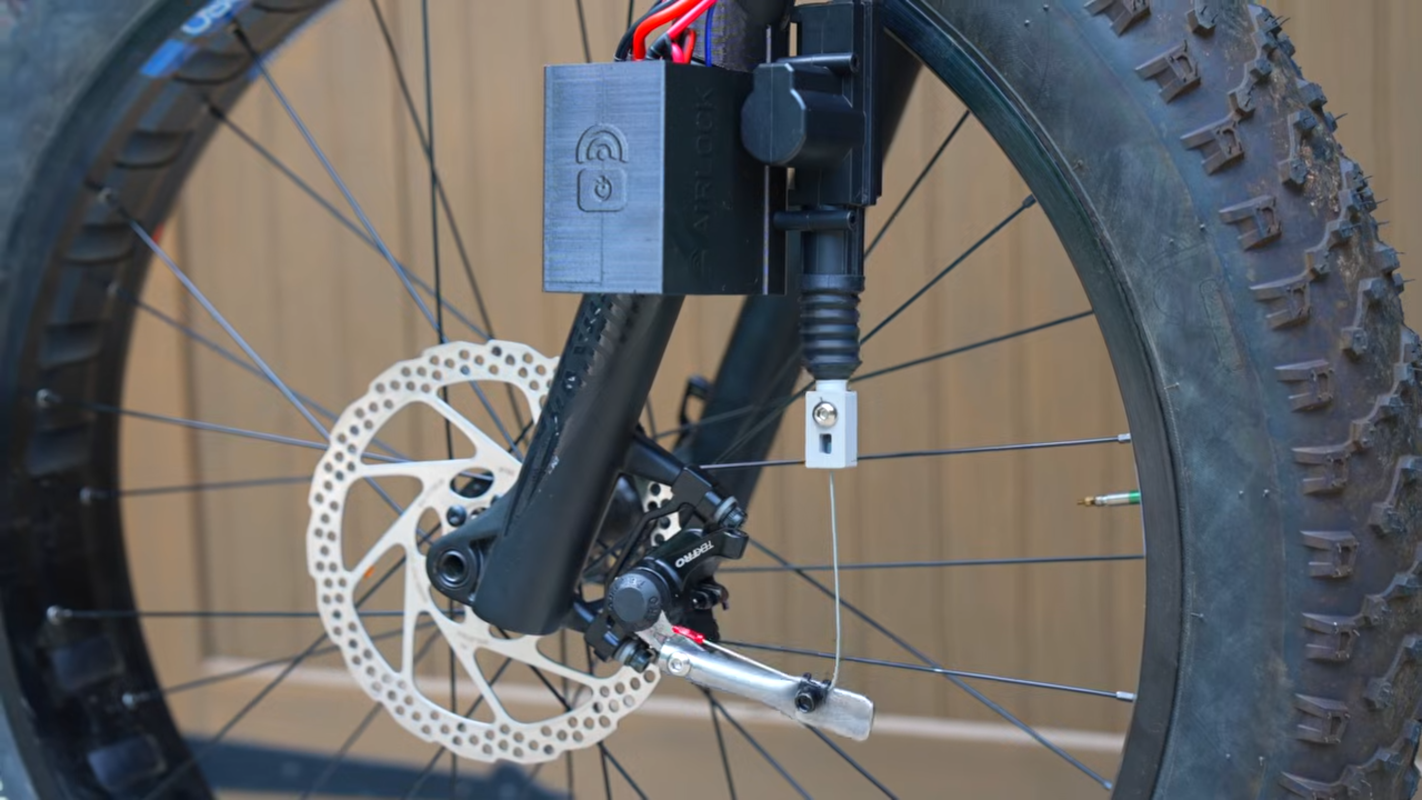
Wireless Fat Tire Brakes: ESP32‑Powered ABS and Remote Control Demo
Tested on a fat‑tire bike, the ESP32‑controlled wireless brakes add ABS, remote‑control, and a braking‑equalizer, showing the future of electronic mountain‑bike braking.
 Technology
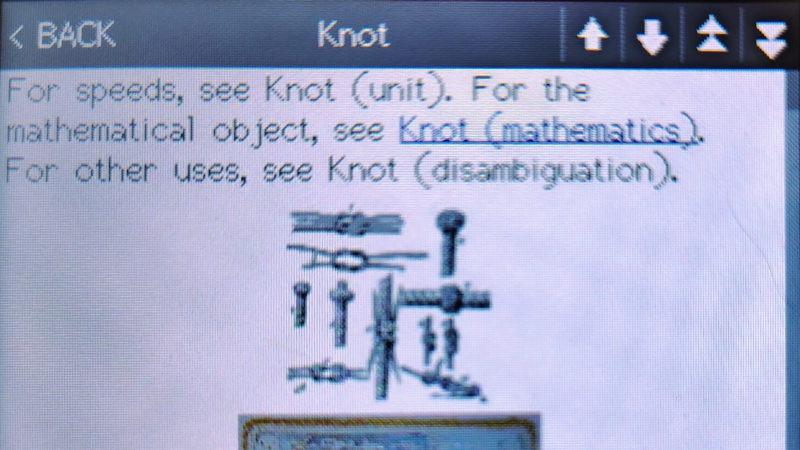
Wikipedia on a Cheap Yellow Display
A hobbyist has adapted the Cheap Yellow Display (CYD), a budget-friendly microcontroller board, to serve as an offline Wikipedia reader by running a customized...
 Technology
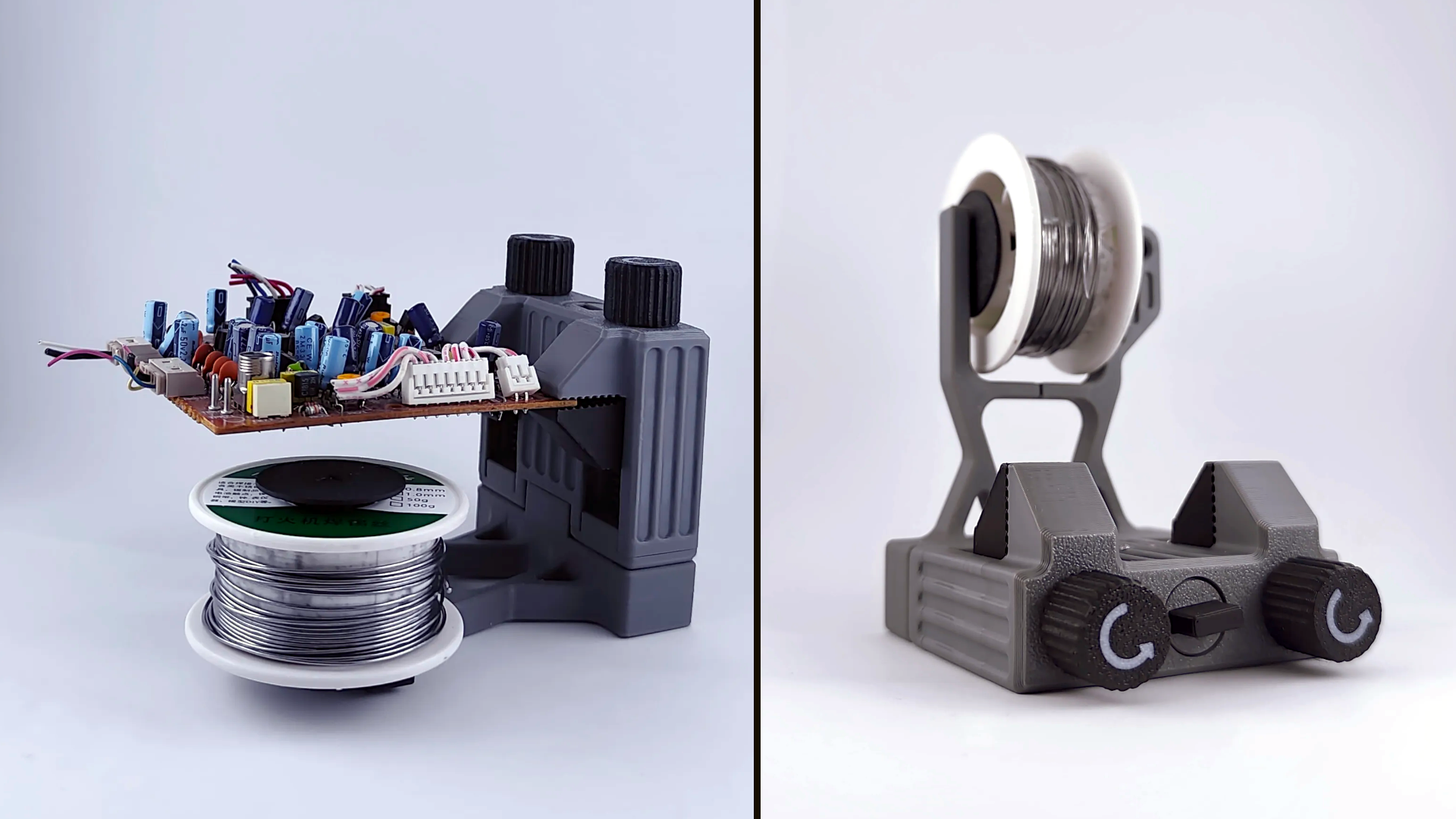
Compact PCB Vise Uses Up That Leftover Filament
A 3D-printed PCB vise created by a maker known online as Chefkoch offers enthusiasts a practical way to repurpose leftover filament spools while gaining a usefu...
 Technology
Apple Health App Revamp with AI Coach Set for September 2024 Release
Apple’s upcoming Health app overhaul, dubbed Project Mulberry, will add an AI health coach, blood‑sugar tracking and camera‑based workout guidance—likely launching in September 2024.
Most Read

At least 37 dead and hundreds evacuated after strike on Kyiv warehouse
Ian Frazier and Samy Burch Discuss 'Coyote vs. Acme' in The New Yorker

Latin America Energy Storage Forecast Jumps to 34 GW by 2035: Wood Mackenzie