Don’t Repeat NY’s 3D Printing Blunder
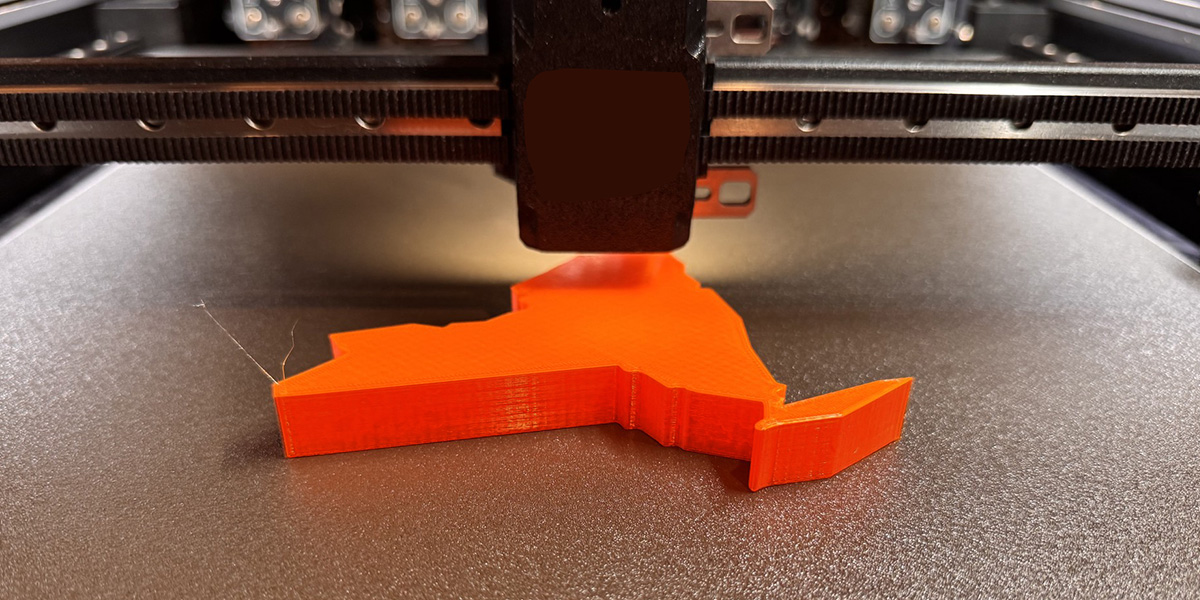
New York has become the first state to approve controversial regulations requiring 3D printers to include embedded surveillance and censorship software, a move critics say threatens privacy, free expression, and consumer rights. Governor Kathy Hochul signed the legislation despite widespread opposition from digital rights advocates, engineers, artists, and hobbyists who warned of its potential harm. The law now sets a dangerous precedent that other states, including California, may follow unless blocked.
The bill, which originated during New York’s budget negotiations, drew sharp criticism from the Electronic Frontier Foundation (EFF) and others who argued it was rushed through without proper scrutiny. Hundreds of 3D printing enthusiasts and supporters contacted their representatives in protest. While some amendments were made in response to the backlash, the core provisions remained intact.
Originally, the legislation proposed felony charges for storing or sharing 3D-printable firearm files, raising First Amendment concerns similar to those that led Colorado to abandon comparable proposals. Though New York reduced the penalties to a Class A misdemeanor, ambiguities in the law remain. One provision allows exceptions for sharing files if the sender reasonably believes the recipient won’t illegally print them, but another section complicates possession with intent to share, leaving legal gray areas that could chill free speech.
Another problematic requirement—mandating face-to-face sales for 3D printers and CNC machines—was ultimately removed. That provision would have disproportionately affected rural users who rely on in-home fabrication and repair, as well as small businesses that depend on online retail options.
With the law now on the books, implementation will be decided over the next year by a working group led by the New York Department of State and the state university system. However, the group lacks transparency requirements and consumer protections in its mandate. The EFF warns that without public oversight, the process could be influenced by manufacturers or result in standards that harm users.
New York’s law marks a troubling expansion of state-mandated surveillance into personal manufacturing tools. While the final text includes minor improvements, the underlying risks to privacy and free expression remain. The EFF urges other states, particularly California, to reject similar proposals before they gain traction.
Critics argue the law sets a dangerous template for government control over technology, eroding user autonomy and enabling censorship under the guise of public safety.
#3DPrinting #DigitalRights #NewYork #EFF #Surveillance #FreeSpeech #GunControl #Legislation
Comments (0)
No comments yet — be the first to weigh in.
Related Coverage
 Technology
Wireless Fat Tire Brakes: ESP32‑Powered ABS and Remote Control Demo
Tested on a fat‑tire bike, the ESP32‑controlled wireless brakes add ABS, remote‑control, and a braking‑equalizer, showing the future of electronic mountain‑bike braking.
 Technology
Wikipedia on a Cheap Yellow Display
A hobbyist has adapted the Cheap Yellow Display (CYD), a budget-friendly microcontroller board, to serve as an offline Wikipedia reader by running a customized...
 Technology
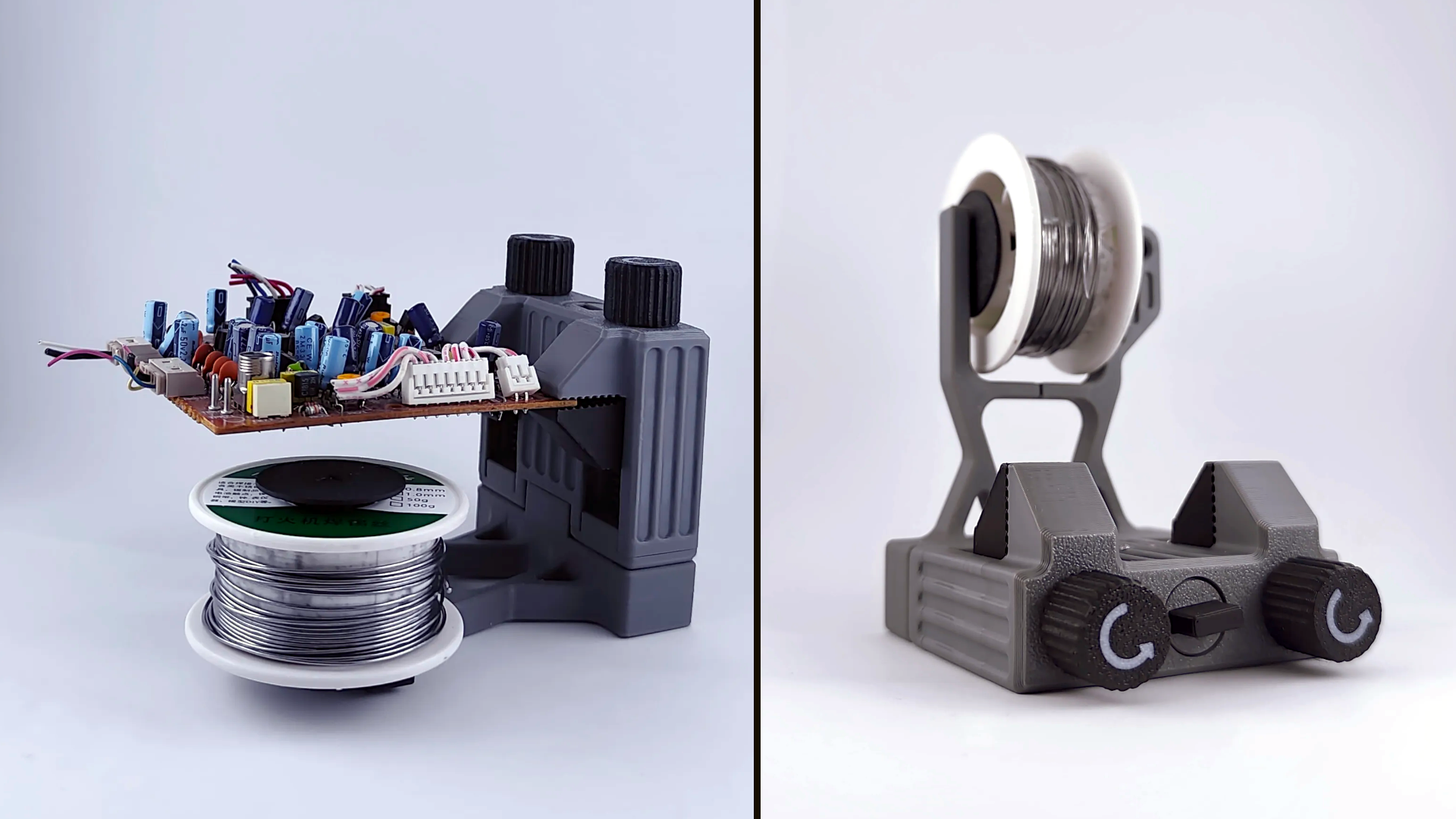
Compact PCB Vise Uses Up That Leftover Filament
A 3D-printed PCB vise created by a maker known online as Chefkoch offers enthusiasts a practical way to repurpose leftover filament spools while gaining a usefu...
 Technology
Apple Health App Revamp with AI Coach Set for September 2024 Release
Apple’s upcoming Health app overhaul, dubbed Project Mulberry, will add an AI health coach, blood‑sugar tracking and camera‑based workout guidance—likely launching in September 2024.
Most Read
Ian Frazier and Samy Burch Discuss 'Coyote vs. Acme' in The New Yorker

Latin America Energy Storage Forecast Jumps to 34 GW by 2035: Wood Mackenzie

Tarkowski strikes late to rescue point for Everton at Bournemouth
