DIY Robotic SD Card Library Maximizes Existing Components, Saves Costs
A maker builds a robotic microSD card library using a 3D-printed arm and rack-and-pinion gripper to automate card handling, saving costs amid rising component prices.
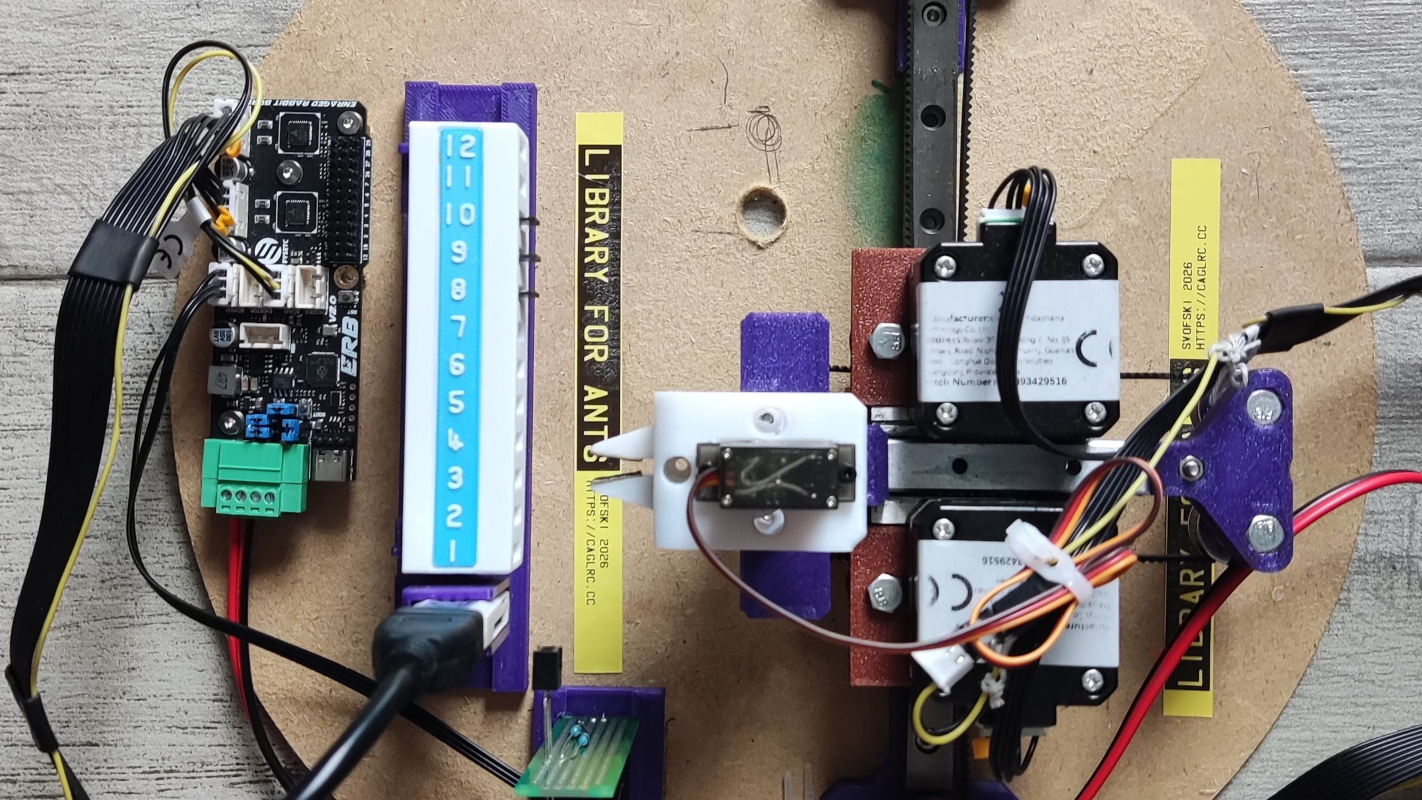
A maker known online as svofski has built a compact robotic library that automates the handling of microSD cards, offering a practical solution for users dealing with rising component costs. The project, documented in a recent Hackaday post, transforms a collection of microSD cards into a managed storage system that can read, write, or switch cards without manual intervention. By repurposing existing hardware rather than purchasing new components, the build aligns with current DIY trends focused on maximizing value during supply constraints.
The core of the system is a small robotic arm equipped with a dual-pincer gripper, designed to securely pick up and place microSD cards into a 12-slot reader array. svofski initially experimented with a rotating pincer mechanism, but found it unnecessarily complex. The final design uses a rack-and-pinion system that slides the two pincers together horizontally, enabling precise control and reliable card handling.
Mounted in what svofski describes as a “T-bot” arrangement, the robotic arm operates similarly to coreXY kinematics used in 3D printers. This configuration allows the arm to move efficiently across the X and Y axes, reaching any of the 12 card slots with minimal motion. The entire mechanism is built using parts commonly sourced from or inspired by 3D printer designs, making it accessible to other makers with access to standard tools and filaments.
While the project began as an exploration of robotic tape changers—devices that automate the swapping of magnetic tapes—it evolved into a functional prototype for removable media management. Although not built for a specific application, the system could be particularly useful for users needing to duplicate large batches of SD cards, such as in embedded development, testing environments, or media duplication tasks.
The build demonstrates how open-source hardware and maker ingenuity can address practical challenges without new purchases. As semiconductor prices remain elevated and supply chains continue to fluctuate, projects like this highlight the value of repurposing and automating existing resources.
#microSD #Robotics #DIY #MakerProject #StorageAutomation #Hackaday #svofski
Comments (0)
No comments yet — be the first to weigh in.
Related Coverage
 Technology
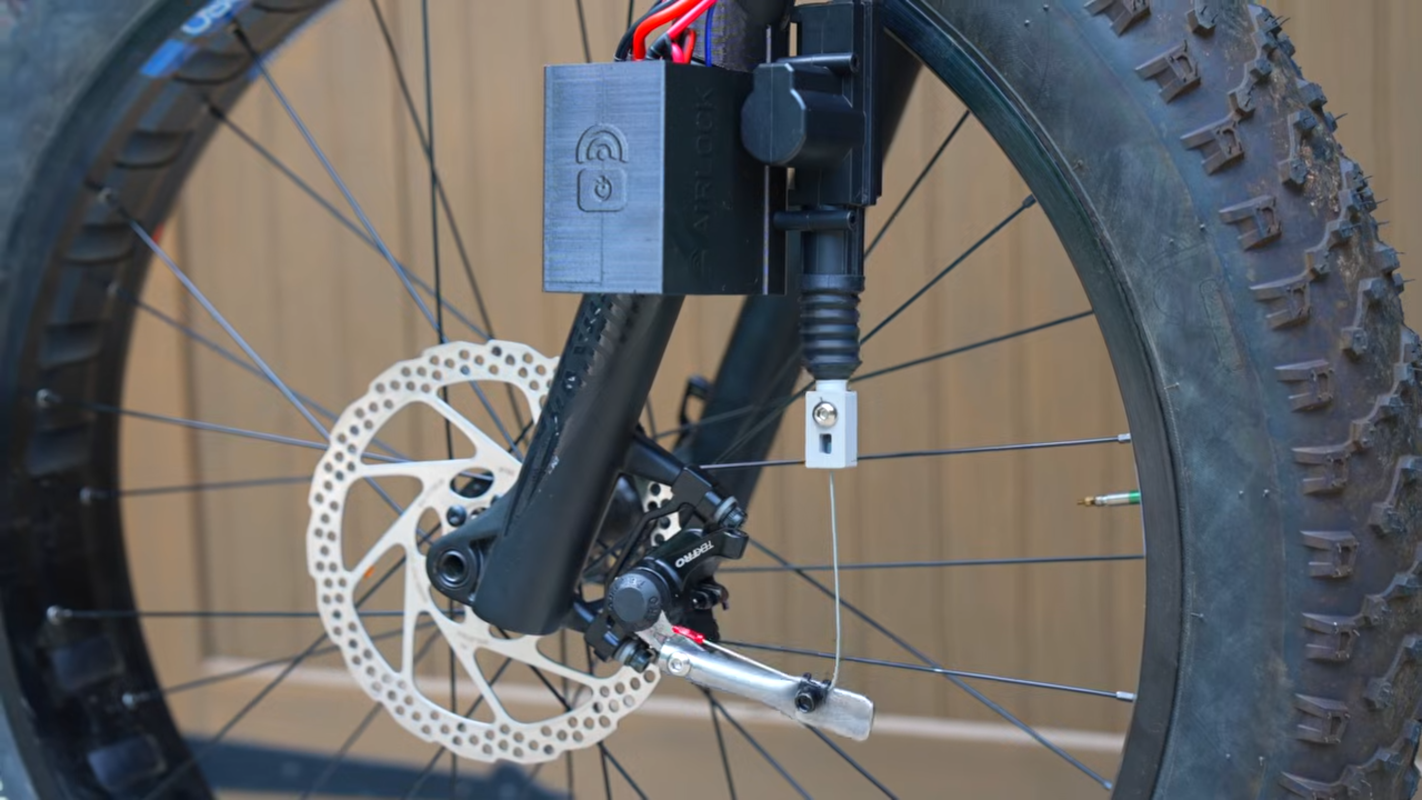
Wireless Fat Tire Brakes: ESP32‑Powered ABS and Remote Control Demo
Tested on a fat‑tire bike, the ESP32‑controlled wireless brakes add ABS, remote‑control, and a braking‑equalizer, showing the future of electronic mountain‑bike braking.
 Technology
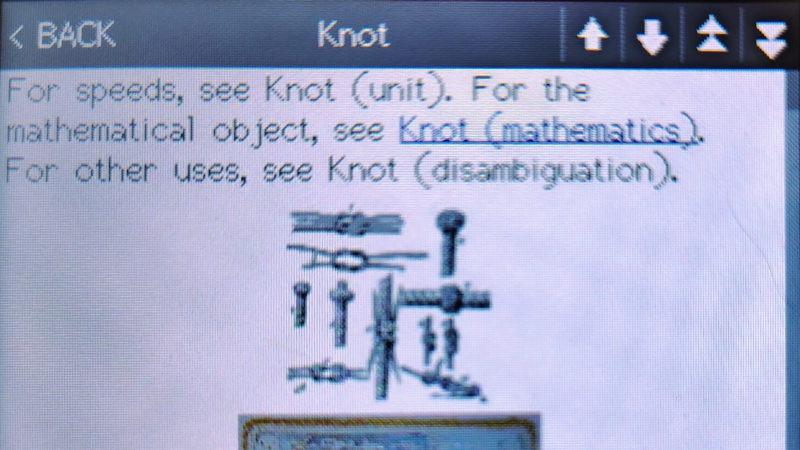
Wikipedia on a Cheap Yellow Display
A hobbyist has adapted the Cheap Yellow Display (CYD), a budget-friendly microcontroller board, to serve as an offline Wikipedia reader by running a customized...
 Technology
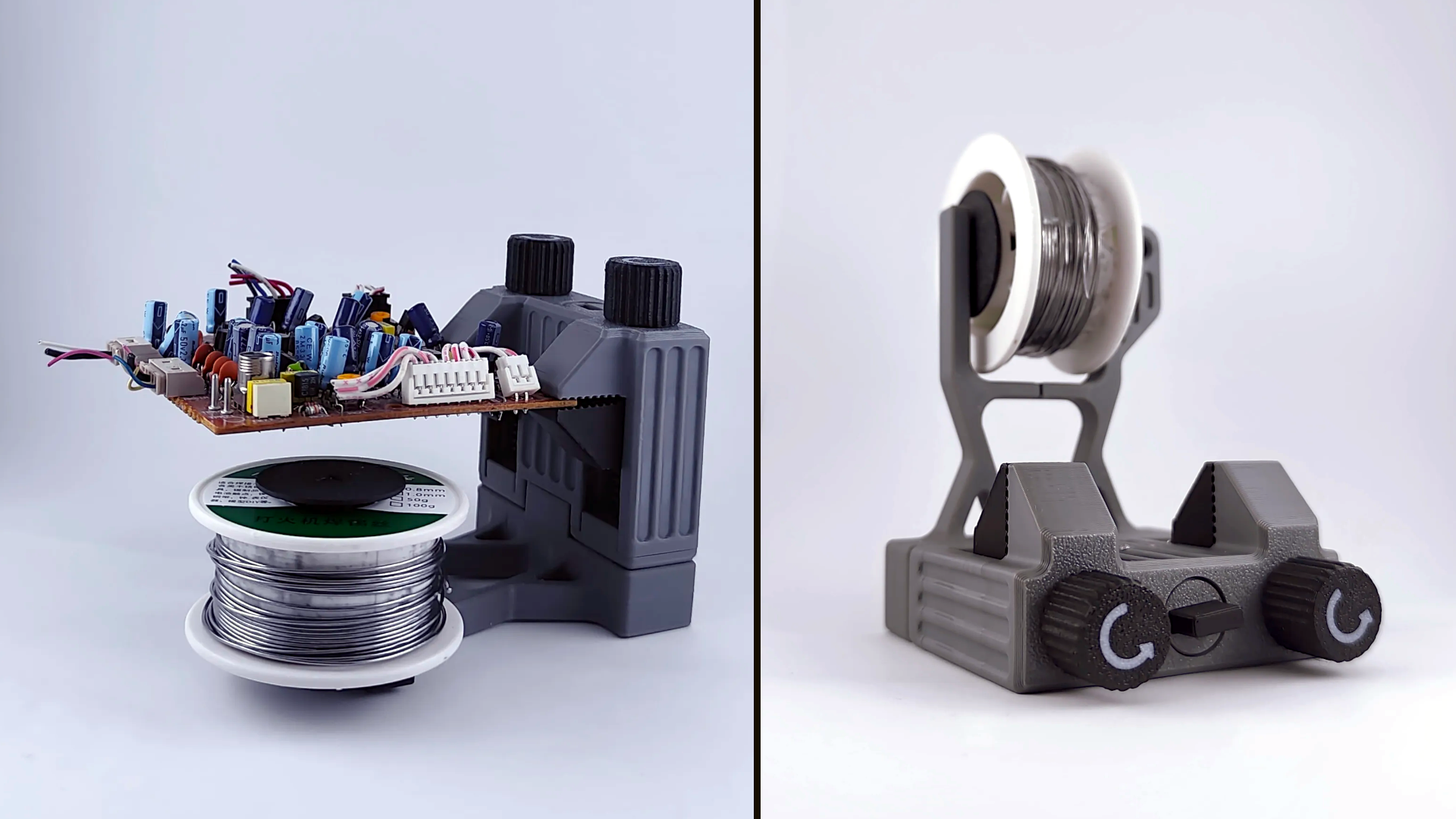
Compact PCB Vise Uses Up That Leftover Filament
A 3D-printed PCB vise created by a maker known online as Chefkoch offers enthusiasts a practical way to repurpose leftover filament spools while gaining a usefu...
 Technology
Apple Health App Revamp with AI Coach Set for September 2024 Release
Apple’s upcoming Health app overhaul, dubbed Project Mulberry, will add an AI health coach, blood‑sugar tracking and camera‑based workout guidance—likely launching in September 2024.
Most Read
Ian Frazier and Samy Burch Discuss 'Coyote vs. Acme' in The New Yorker

Latin America Energy Storage Forecast Jumps to 34 GW by 2035: Wood Mackenzie


Tarkowski strikes late to rescue point for Everton at Bournemouth
