Debunking Myths: Gender Pay Gap, Autism Trends & Climate Solutions
Explore the gender pay gap debate, autism prevalence trends, climate change solutions, and controversial narratives in this Quillette Cetera episode.
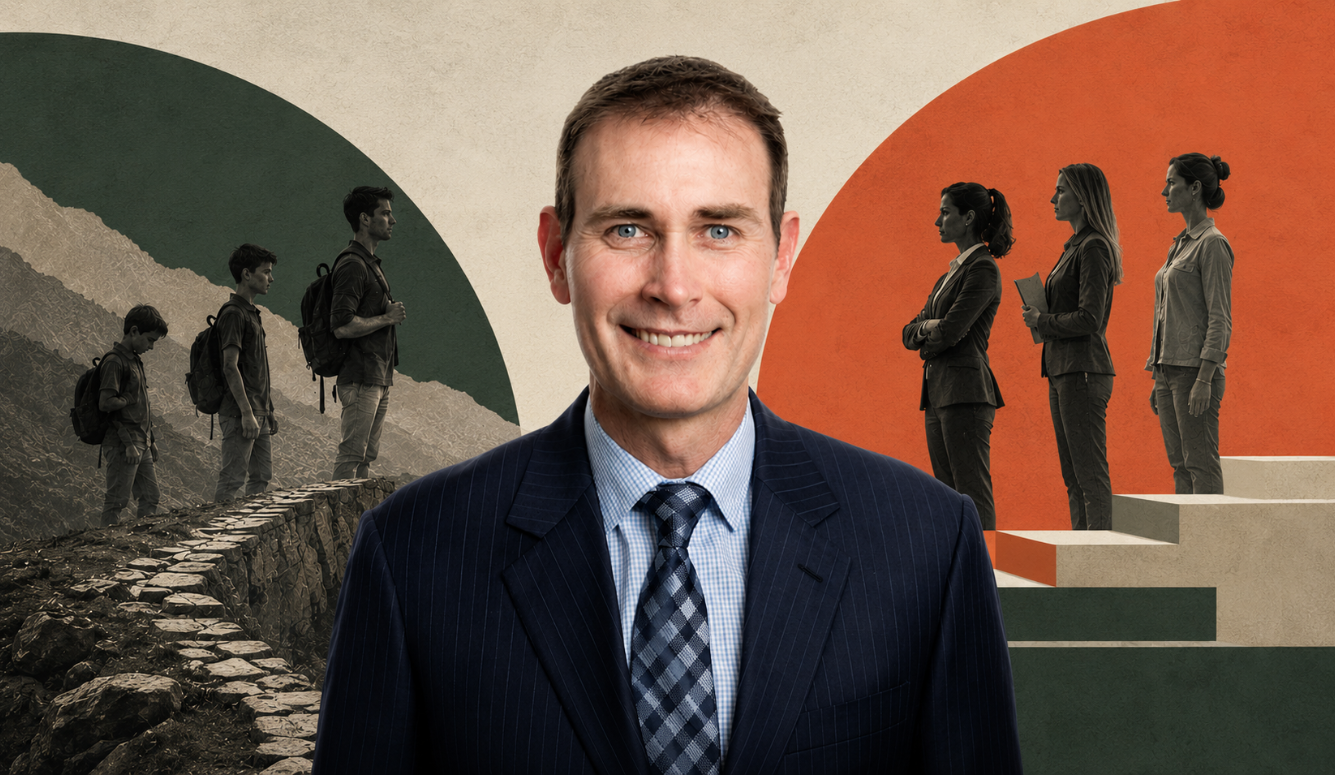
The Gender Pay Gap: Examining the Data and Debates
A recent episode of Quillette’s Cetera podcast series, featuring commentator David Maywald, addressed the persistent issue of the gender pay gap, challenging misconceptions while highlighting the complexities of wage disparities between men and women in the workforce.
Maywald’s discussion emphasized the importance of distinguishing between discrimination and structural factors influencing pay differences. According to the U.S. Bureau of Labor Statistics, women earn approximately 82 cents for every dollar earned by men, a figure often cited in discussions about pay equity. However, economists note that this raw wage gap does not account for differences in occupation, hours worked, experience, or career interruptions—factors that contribute significantly to earnings variations.
A 2017 study by the U.S. Department of Labor found that after controlling for such variables, the unadjusted pay gap narrows to about 95 cents on the dollar. This suggests that while disparities persist, they cannot be solely attributed to systemic bias. Critics argue that occupational segregation—where women are overrepresented in lower-paying fields—plays a major role. Fields such as healthcare and education, which are predominantly female, tend to offer lower average salaries than male-dominated sectors like technology and finance.
Maywald also addressed the influence of cultural and societal expectations, which can shape career choices from an early age. Girls, for instance, are often encouraged toward caregiving roles, while boys may be steered toward higher-paying disciplines. These early influences can perpetuate wage gaps later in life.
The debate over the gender pay gap remains contentious. Advocacy groups argue that systemic barriers, including workplace discrimination and lack of family leave policies, continue to disadvantage women. Meanwhile, opponents of the "wage gap myth" contend that the focus should shift from equality of outcomes to equality of opportunity, ensuring fair compensation based on merit rather than gender.
In the realm of professional sports, the discussion extends to disparities in prize money and sponsorship. Female athletes, despite comparable levels of skill and dedication, often receive significantly lower compensation than their male counterparts. This discrepancy is frequently justified by differences in revenue generation, though critics argue that structural inequities in marketing and media coverage contribute to the imbalance.
As discussions about pay equity evolve, policymakers and employers face growing pressure to address both overt discrimination and the underlying factors that shape wage differences. Whether through legislative reforms, corporate accountability, or cultural shifts, the path toward equitable compensation remains a critical issue in the broader conversation about gender equality.
Comments (0)
No comments yet — be the first to weigh in.
Related Coverage
 Politics
Headlines for August 26, 2026
Iran has resumed talks with Oman about managing the Strait of Hormuz while tensions in the region remain high, despite economic pressure from the United States....
 Politics
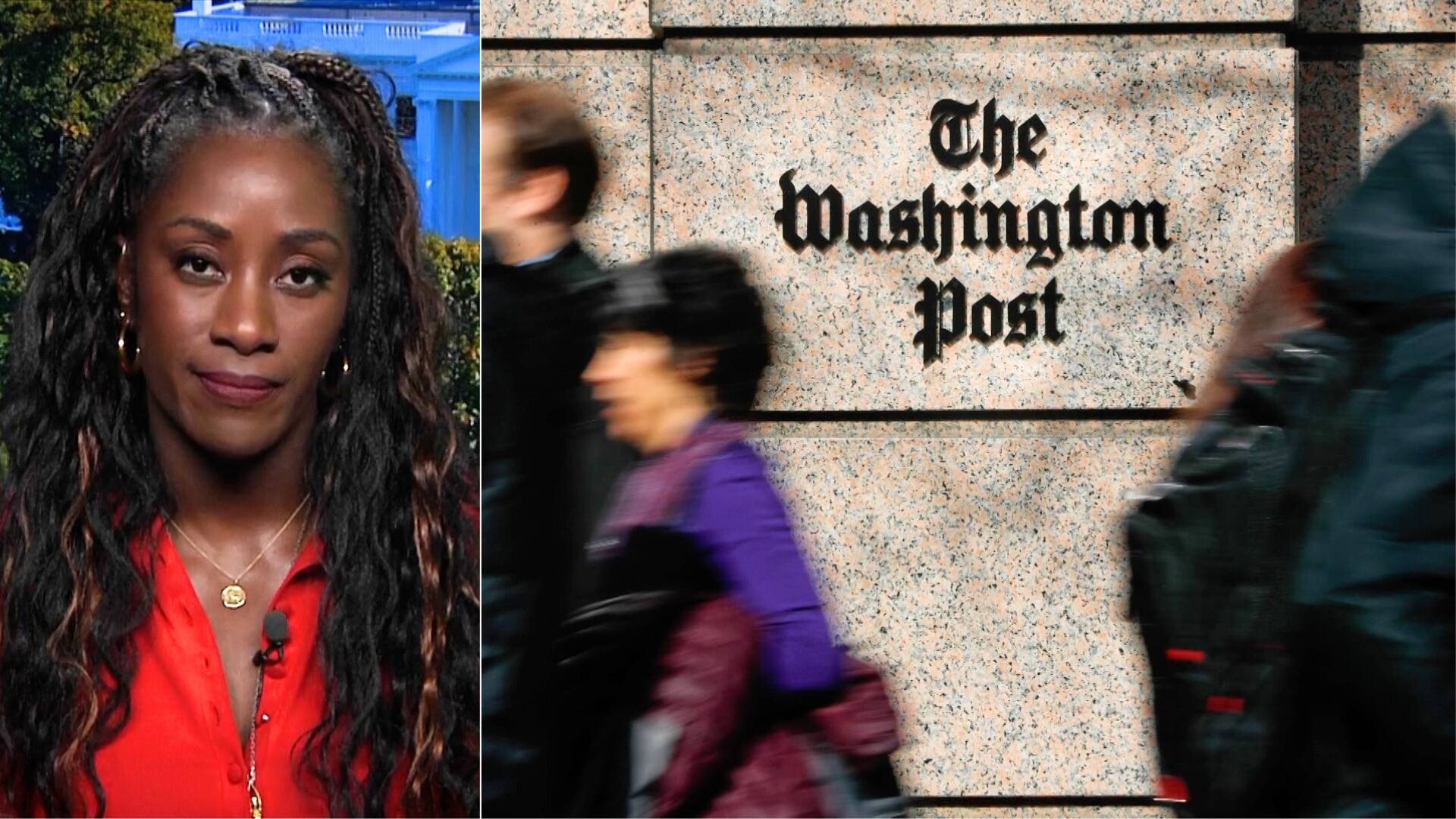
Karen Attiah Wins Reinstatement at Washington Post After Arbitration Victory
Award-winning Washington Post columnist Karen Attiah has been reinstated with back pay after an arbitrator ruled in her favor following her controversial firing over social media posts about Charlie Kirk.
 Politics
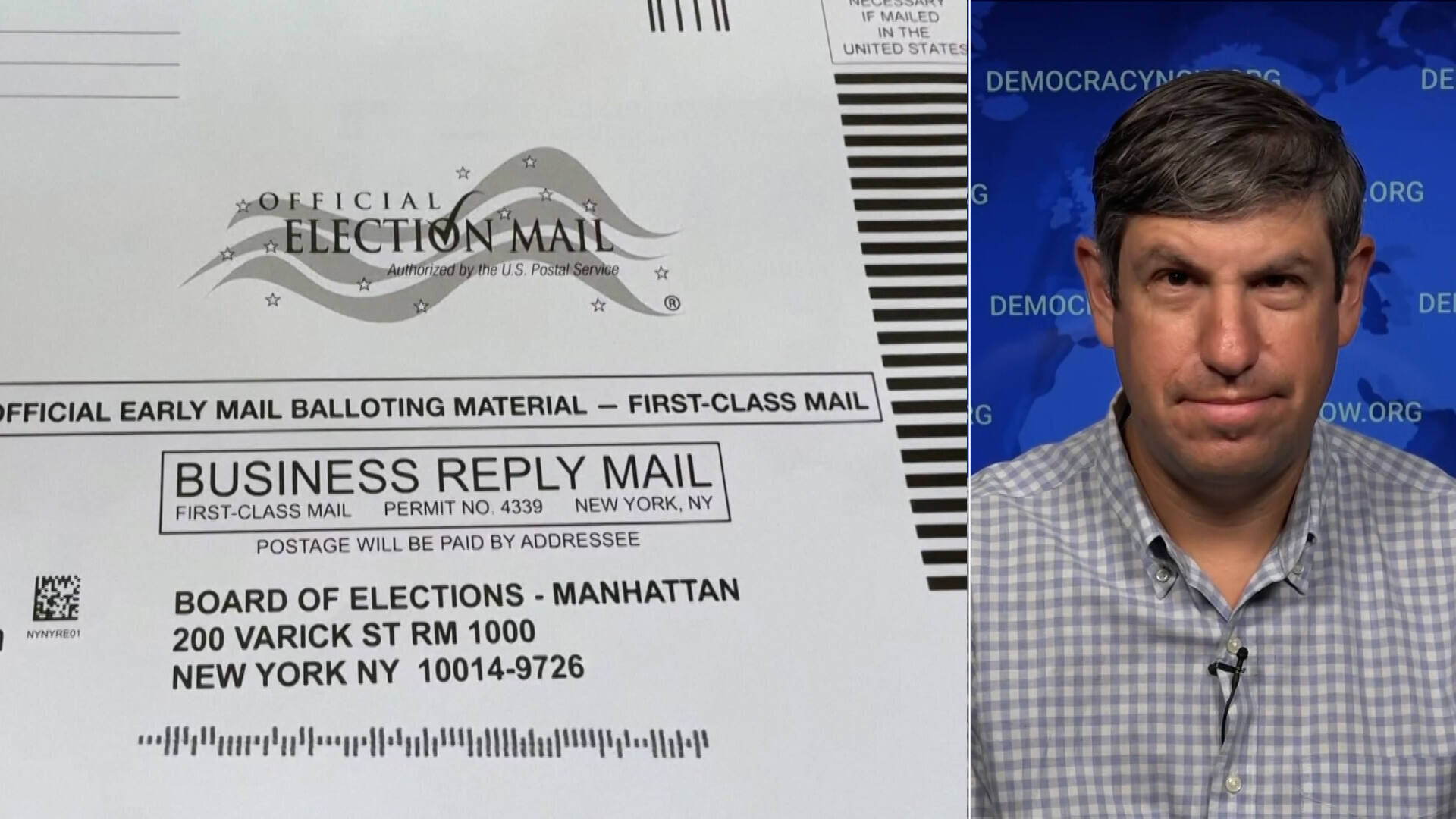
Supreme Court Allows Trump’s Mail-In Voting Restrictions to Proceed: What It Means for Midterms
The Supreme Court’s 6-3 decision lifts an injunction on Trump’s executive order restricting mail-in voting, raising concerns over potential voter disenfranchisement ahead of the midterm elections.
 Politics
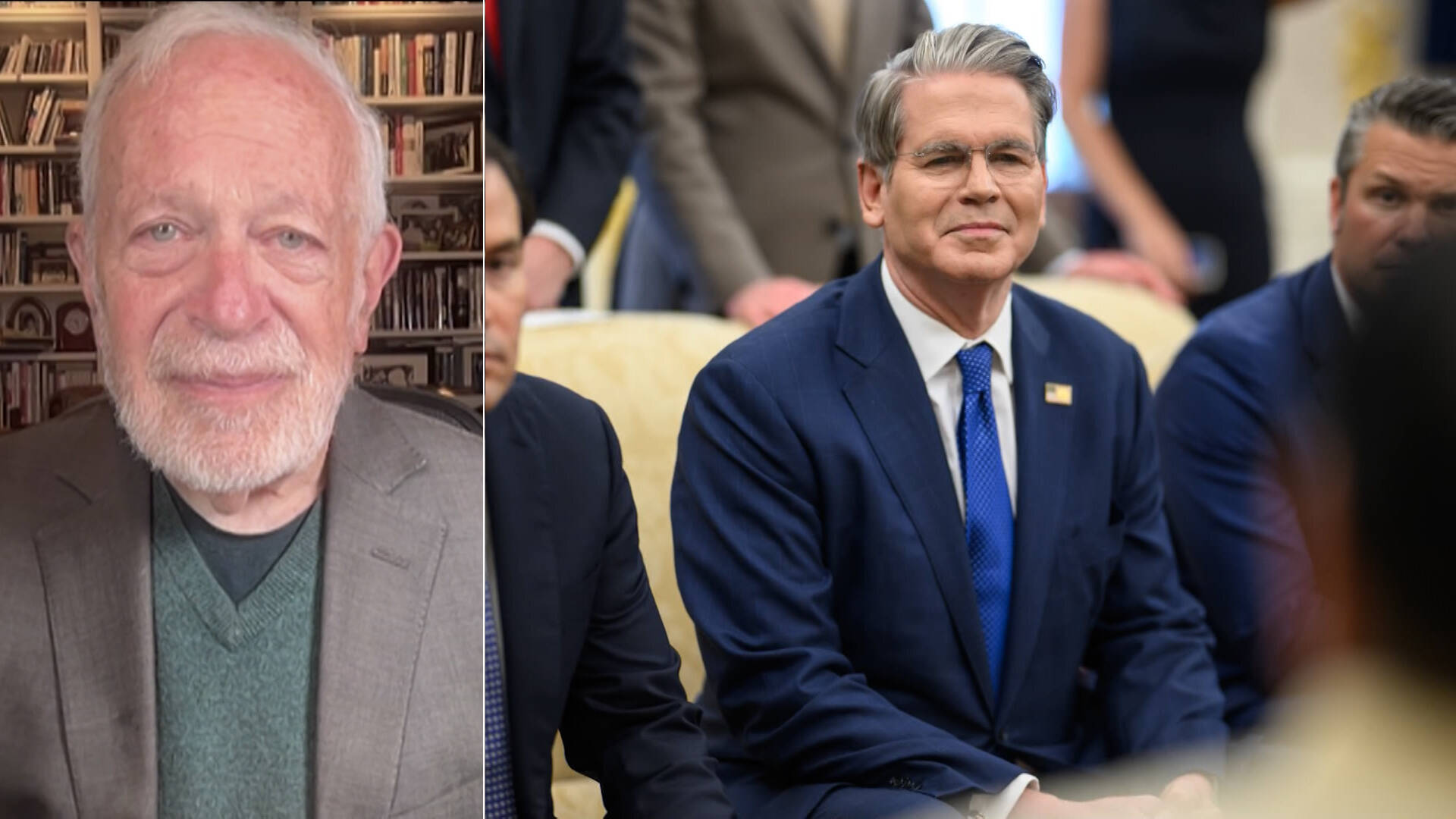
Robert Reich Warns Most Americans Are Getting Poorer Despite Stock Market Highs
Economist Robert Reich criticizes Treasury Secretary Scott Bessent's dismissal of the K-shaped economy, arguing wage stagnation and inflation are worsening inequality.
Most Read

Russian Drone Strike on Kiev Ammo Depot Kills 37, Sparks Evacuations

At least 37 dead and hundreds evacuated after strike on Kyiv warehouse
Ian Frazier and Samy Burch Discuss 'Coyote vs. Acme' in The New Yorker

Latin America Energy Storage Forecast Jumps to 34 GW by 2035: Wood Mackenzie