Coal Power Plant Pollution Threatens Bangladesh Coastal Communities' Health
Residents near Payra Power Plant in Bangladesh report health issues and crop damage due to unchecked coal pollution. Environmental safeguards are failing, with authorities admitting testing limitations.

Riaz Panchayet once grew papaya, cucumber, okra and bananas on his farm in Madhupur village, Patuakhali district, in southern Bangladesh’s coastal region. Today he runs a small tea stall near the Payra Power Plant, his fields coated in black ash and his eyesight and skin affected by years of exposure to coal plant pollution.
Residents across Kalapara subdistrict describe similar struggles: dying crops, contaminated water, and chronic health problems linked to the 1,320-megawatt Payra Thermal Power Plant, operated by the Bangladesh-China Power Company Ltd. (BCPCL), a joint venture between Bangladesh and China. Since starting operations in 2020, the plant burns 10,000 to 12,000 tons of coal daily, emitting sulfur dioxide, nitrogen oxides, carbon dioxide, lead and fly ash that residents say have degraded air quality and poisoned local water sources.
A recent study confirms these concerns, attributing widespread health and environmental damage to the plant’s failure to comply with environmental safeguards under Bangladesh’s Environment Conservation Rules of 1997. Yet regulatory oversight has been inconsistent. According to the Department of Environment’s (DoE) Barishal Divisional Office, no stack emission tests were conducted from 2021 to 2025, and ambient air quality monitoring—required twice yearly—was only partially carried out. One 2021 test recorded particulate matter at 310 micrograms per cubic meter, far above the national standard of 200 µg/m³.
The Barishal office attributed the gap to limited laboratory capacity. “We cannot test air and liquid samples, though it is mandatory,” said Md Golam Kibria, senior chemist. DoE headquarters, however, claims remote monitoring and third-party verification are in place, though no independent tests have been conducted specifically for the Payra plant. Mohammad Abdul Motalib, deputy director for air quality, argued that ambient air monitoring is not required under the Air Pollution (Control) Rules, 2022, and suggested that physical inspections suffice.
Environmental clearance for Payra was granted late and with conditions. Despite a 275-meter chimney being mandated in the approved Environmental Impact Assessment (EIA) to disperse sulfur dioxide, inspections in March 2020 found the chimneys at just 220 meters—55 meters below requirement. The DoE later accepted a revised EIA from BCPCL and formed a committee, including BUET professor Tanvir Ahmed, which concluded that chimney height alone does not guarantee safety if sulfur-removal systems like flue gas desulfurization (FGD) are functioning properly.
On May 27, 2025, an internal DoE order signed by then-additional director general Sohrab Ali exempted several industries—including power plants—from submitting ambient air quality monitoring results, citing procedural inconsistencies. The decision was made quietly, without public consultation, raising concerns among environmentalists about enforcement and transparency.
Local farmers like Panchayet continue to report declining yields and health issues as coal ash blankets their land. “My shirt turns black after climbing coconut trees,” he said. “My eyes itch constantly, and my vision has weakened.” With air and water pollution persisting and regulatory testing falling short, the long-term cost to Patuakhali’s environment and people remains unaddressed.
#CoalPollution #Bangladesh #PayraPowerPlant #EnvironmentalViolation #AirQuality #DoE #BCPCL #Patuakhali
Comments (0)
No comments yet — be the first to weigh in.
Related Coverage
 Environment
Machine Learning Boosts Irradiance Prediction for Bifacial Solar Panels
Research from Selçuk University compares machine learning models to improve plane-of-array irradiance predictions for bifacial photovoltaic systems using NREL field data.
 Environment
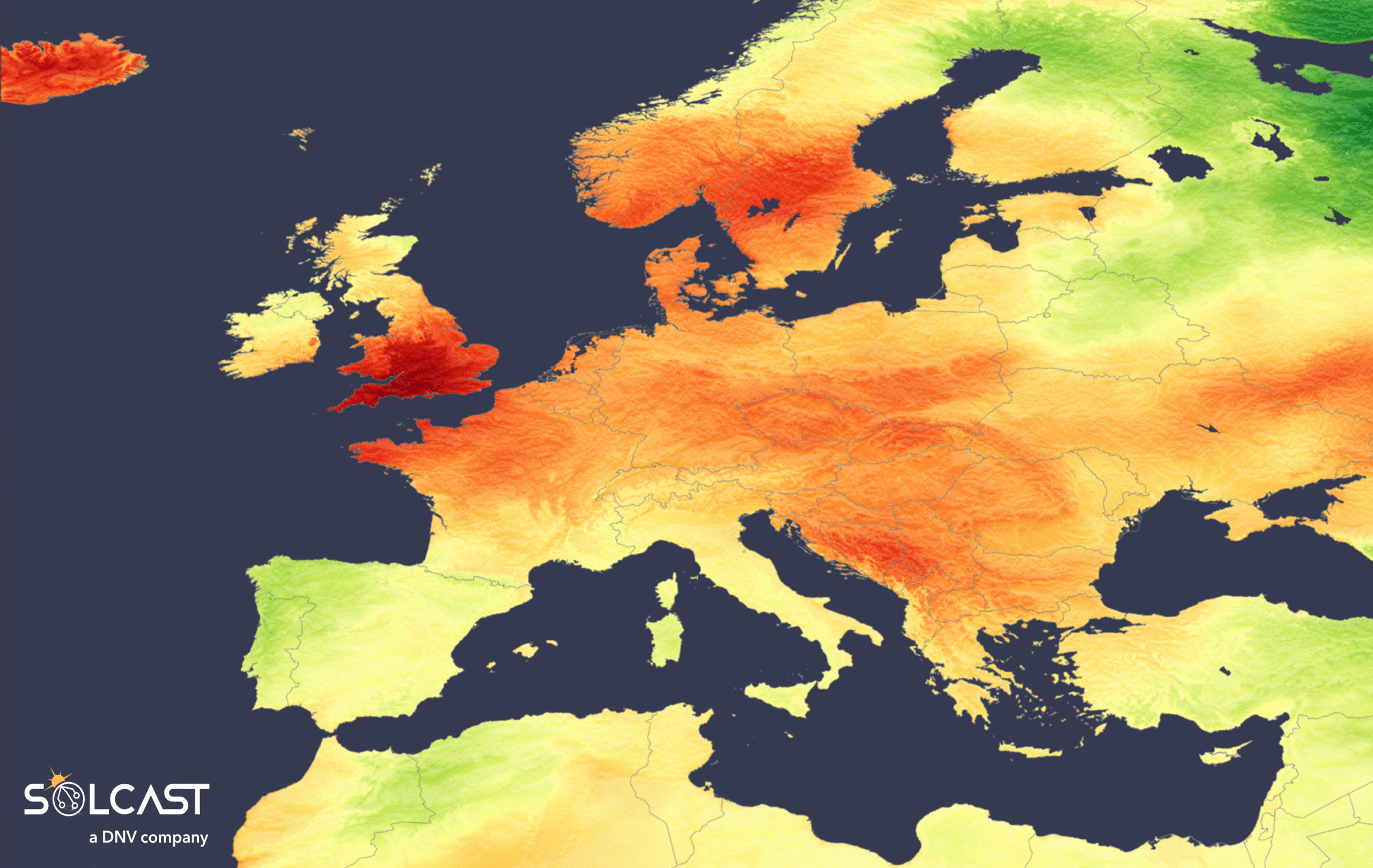
Europe’s solar resource surplus continues before late-August cloud shift
Europe’s solar resource surplus persisted across much of the continent in August 2026, with global horizontal irradiance averaging 5% above the 2007–2025 norm,...
 Environment
Canada's Solar Energy Growth: Provinces Chart Diverse Paths to 2035 Goals
Canada's solar sector shows uneven growth across provinces, with incentives in Quebec and Ontario driving expansion, while others reconsider net metering policies amid US trade uncertainties.
 Environment
Latin America Energy Storage Forecast Jumps to 34 GW by 2035: Wood Mackenzie
Wood Mackenzie’s latest outlook projects Latin America’s energy storage capacity to surge to 34 GW by 2035, driven by regulatory frameworks and renewable integration needs. Key markets include Chile, Brazil, and Mexico.
Most Read

'Supporters aren't always wrong' - Moyes on Everton fans' anger

CDC Reports COVID-19 Activity Is Increasing Across US

Nottingham Forest Eye £40m Bid for Everton's Teenage Midfielder Harrison Armstrong

Tottenham Hotspur sign Omar Marmoush on loan from Man City with permanent deal option
