Chinese EV Makers Ramp Up Global Exports Amid Weak Domestic Demand
Chinese electric vehicle manufacturers are exporting a record number of EVs abroad, with shipments reaching one for every two sold domestically. Key markets in Brazil, Thailand, and the Gulf are embracing cheaper Chinese models as domestic sales decline.

Chinese electric vehicle (EV) manufacturers are increasingly turning to overseas markets as domestic demand weakens, with exports reaching record levels in July.
According to London-based research firm Benchmark Mineral Intelligence, approximately 540,000 EVs left China in July, a monthly high, compared to around 980,000 sold domestically. This translates to one exported EV for every two sold in China, a significant increase from the ratio of one for every five in July 2023.
The shift toward exporting EVs is not a temporary measure but a long-term strategy, according to Lei Xing, founder of Chinese auto industry consultancy AutoXing. He noted that Chinese EVs are competitively priced, widely available, and equipped with desired technology, much like Japanese and German cars were when their export industries were developing.
“The export surge is partially due to overcapacity, but that’s not the only factor,” Lei said.
Domestic sales in China have declined by 12% in the first seven months of 2024, and the International Energy Agency (IEA) expects the market to end flat this year for the first time in a decade. Bill Russo, founder of Shanghai-based advisory firm Automobility, emphasized the need for Chinese automakers to not just export cars but also localize manufacturing, supply chains, and technology overseas.
Tesla, a major player in the Chinese market, is also relying on exports to compensate for weak domestic sales. According to figures from the China Passenger Car Association, Tesla's Shanghai plant sold 238,955 cars domestically in the first half of 2024, while exporting 228,994 vehicles.
The global EV market outside of China, Europe, and North America has seen substantial growth, with sales nearly doubling to 1.7 million units in the first seven months of 2024. Chinese brands supplied half of these vehicles, up from a quarter in 2023, according to Benchmark Mineral Intelligence.
George Whitcombe, senior EV analyst at Benchmark, predicted that sales in these regions will surpass those in North America this year.
In the first half of 2024, China exported 2.4 million pure-battery and plug-in hybrid vehicles, more than double the amount from the previous year, according to China’s customs administration.
Governments in Asia and Latin America are responding to the influx of competitively priced Chinese EVs with varying policies. In Thailand, where the top five car brands are Chinese, companies receiving government subsidies must produce two locally built cars for every one imported, with the ratio increasing to three next year. Brazil, where Chinese brands account for nearly 90% of EV sales, has raised import taxes on EVs to match those on gasoline cars. In contrast, Canada reduced its EV import tax from 100% to 6.1% in March and allows 49,000 cars to be imported annually. Gulf states have imposed no restrictions, with low trade barriers and a growing appetite for Chinese technology.
Despite the surge in exports, a significant backlog remains. According to the IEA, over a million EVs shipped from China in the past 18 months have yet to be sold, with only about two-thirds of this year’s exports reaching buyers.
Russo warned of potential consequences, stating, “Excess inventory means discounting, incentives, and pressure on residual values as distributors clear stock. We’ve seen this movie before: China can export vehicles faster than overseas retail networks can absorb them.”
Comments (0)
No comments yet — be the first to weigh in.
Related Coverage
 Technology
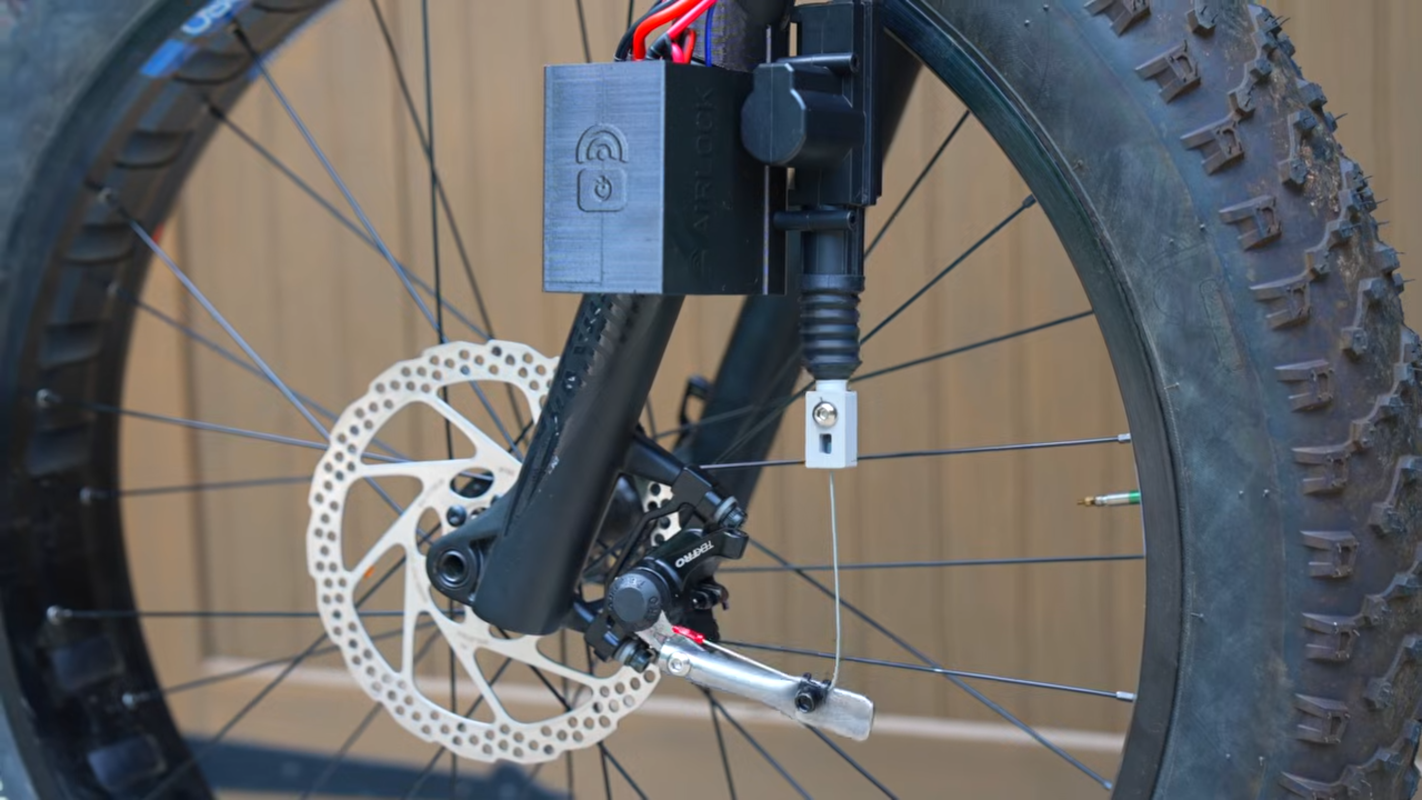
Wireless Fat Tire Brakes: ESP32‑Powered ABS and Remote Control Demo
Tested on a fat‑tire bike, the ESP32‑controlled wireless brakes add ABS, remote‑control, and a braking‑equalizer, showing the future of electronic mountain‑bike braking.
 Technology
Wikipedia on a Cheap Yellow Display
A hobbyist has adapted the Cheap Yellow Display (CYD), a budget-friendly microcontroller board, to serve as an offline Wikipedia reader by running a customized...
 Technology
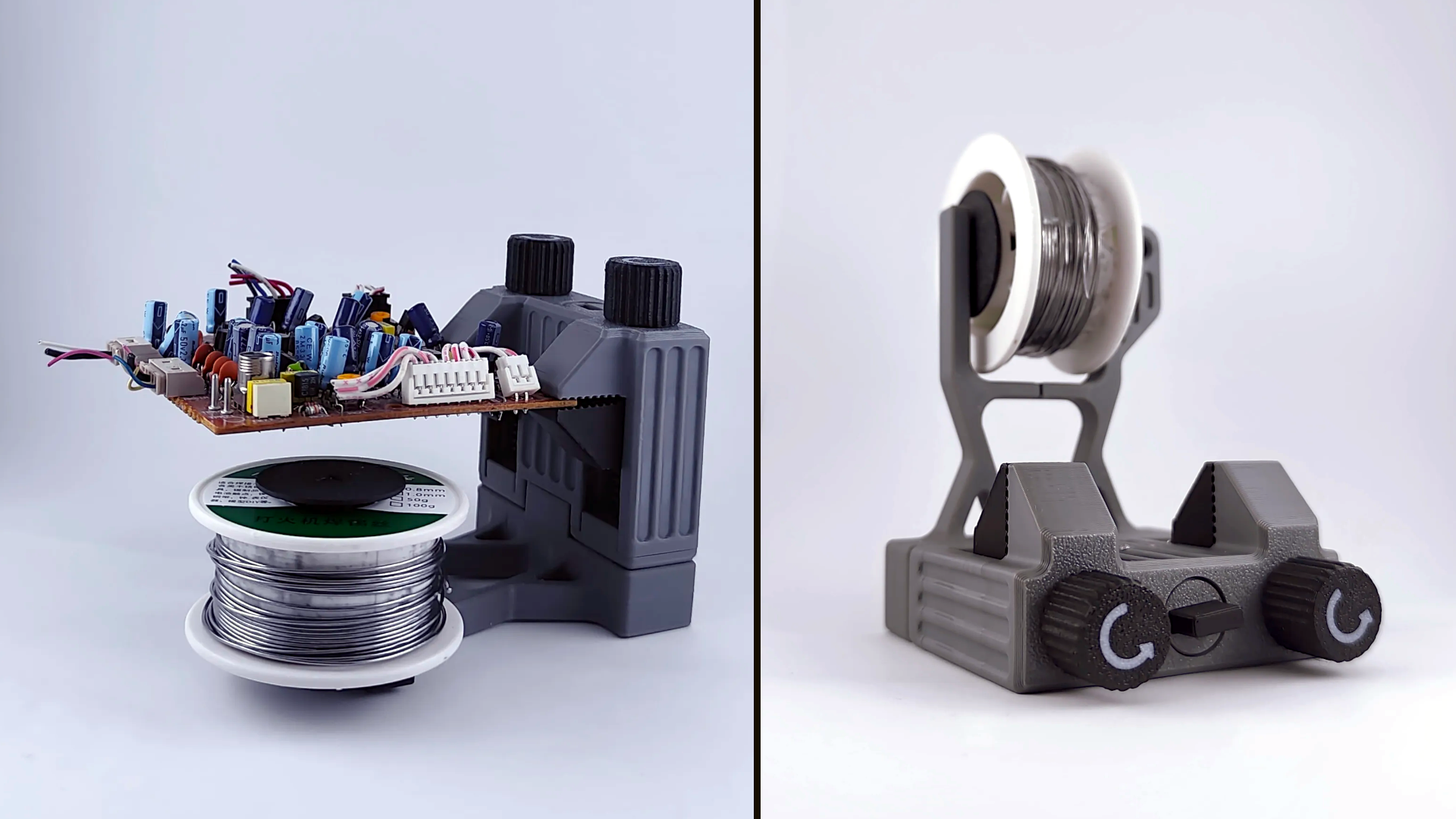
Compact PCB Vise Uses Up That Leftover Filament
A 3D-printed PCB vise created by a maker known online as Chefkoch offers enthusiasts a practical way to repurpose leftover filament spools while gaining a usefu...
 Technology
Apple Health App Revamp with AI Coach Set for September 2024 Release
Apple’s upcoming Health app overhaul, dubbed Project Mulberry, will add an AI health coach, blood‑sugar tracking and camera‑based workout guidance—likely launching in September 2024.
Most Read

Canada's Solar Energy Growth: Provinces Chart Diverse Paths to 2035 Goals

Autumn Hill Sentenced to 50 Years in Prison for Anti-ICE Protest: A Case of Political Persecution?

Hull City Secure 1-0 Away Win at Coventry, Maintain Perfect Premier League Start

DSM-6 to Integrate Biology in Mental Health Diagnosis for First Time