China's Dumpling Shop Uses AI to Revolutionize Customer Experience
A Beijing dumpling shop adopts AI agents to streamline orders and reservations, highlighting China's rapid embrace of AI despite global job concerns.

A Beijing dumpling shop has emerged as a symbol of China's rapid embrace of artificial intelligence, allowing customers to interact with its services through AI agents.
Jinguyuan, a small eatery near Beijing University of Posts and Telecommunications, introduced an AI "skill" in April enabling users to browse menus, receive recommendations, and join a virtual queue through AI assistants. These skills are specialized files that teach AI tools to perform specific tasks on devices like phones or laptops.
The shop's owner, 41-year-old Li Bo, said he developed the AI feature after observing the growing adoption of agentic AI tools—systems designed to autonomously execute tasks. Li, who studied telecommunications engineering before pursuing food service, saw AI as the next logical step in retail innovation.
"Science and technology are a primary productive force," Li said, quoting late Chinese leader Deng Xiaoping's 1978 reforms that drove China's economic growth. "You always need to surround yourself with the most advanced productive force."
China's relationship with AI contrasts sharply with attitudes in Western nations, where concerns about job displacement, data privacy, and ethical risks often overshadow enthusiasm. While many small businesses in the U.S. avoid advertising AI use, China has positioned itself as a frontrunner in AI integration, with widespread public interest in learning and adopting the technology.
Online courses on large language models are widely available, office workers experiment with AI tools to stay competitive, and viral AI applications like OpenClaw have seen high demand. A 2025 Ipsos survey of 30 countries found China's population expressed the highest level of excitement about AI among all surveyed nations.
Li, who previously worked in hostels and sold homemade desserts before opening Jinguyuan, said AI reignited his passion for technology. Beyond the AI dining skill, he built a website using Alibaba's Qoder tool to display real-time queue status at his two locations. In July, he partnered with an AI cloud provider to distribute 10 yuan ($1.50) coupons redeemable for AI model subscriptions to customers.
While Li acknowledges his AI feature garners more media attention than actual usage, he views his shop as a pioneer in AI adoption. "Someone needs to start using it, even when it's not that good," he said, drawing an analogy to early steam engines. "When steam engines first appeared, people joked they were no better than horses. In the end, cars won out."
Comments (0)
No comments yet — be the first to weigh in.
Related Coverage
 Technology
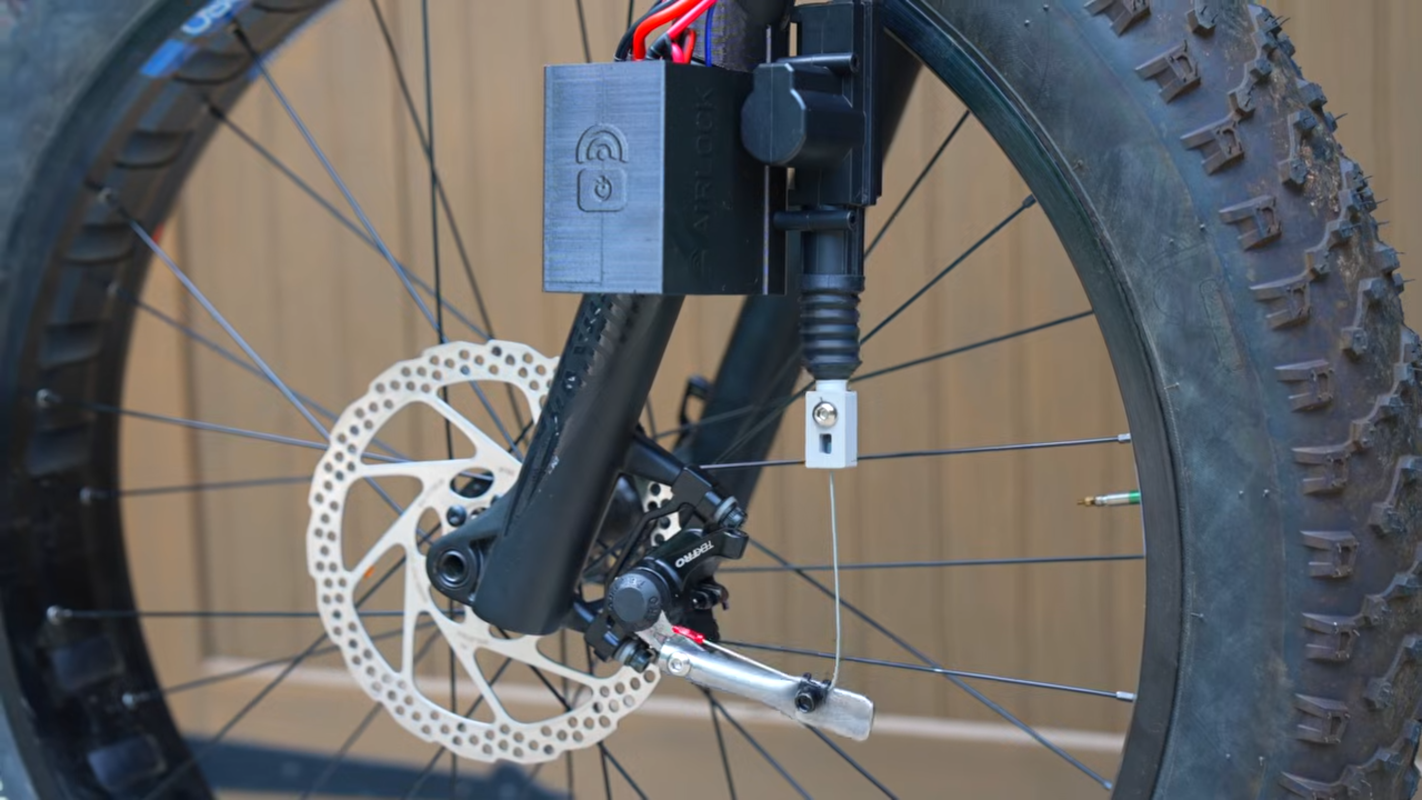
Wireless Fat Tire Brakes: ESP32‑Powered ABS and Remote Control Demo
Tested on a fat‑tire bike, the ESP32‑controlled wireless brakes add ABS, remote‑control, and a braking‑equalizer, showing the future of electronic mountain‑bike braking.
 Technology
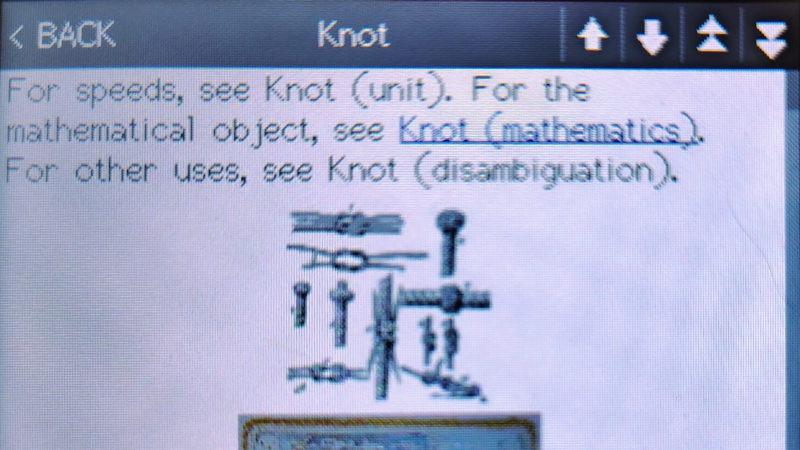
Wikipedia on a Cheap Yellow Display
A hobbyist has adapted the Cheap Yellow Display (CYD), a budget-friendly microcontroller board, to serve as an offline Wikipedia reader by running a customized...
 Technology
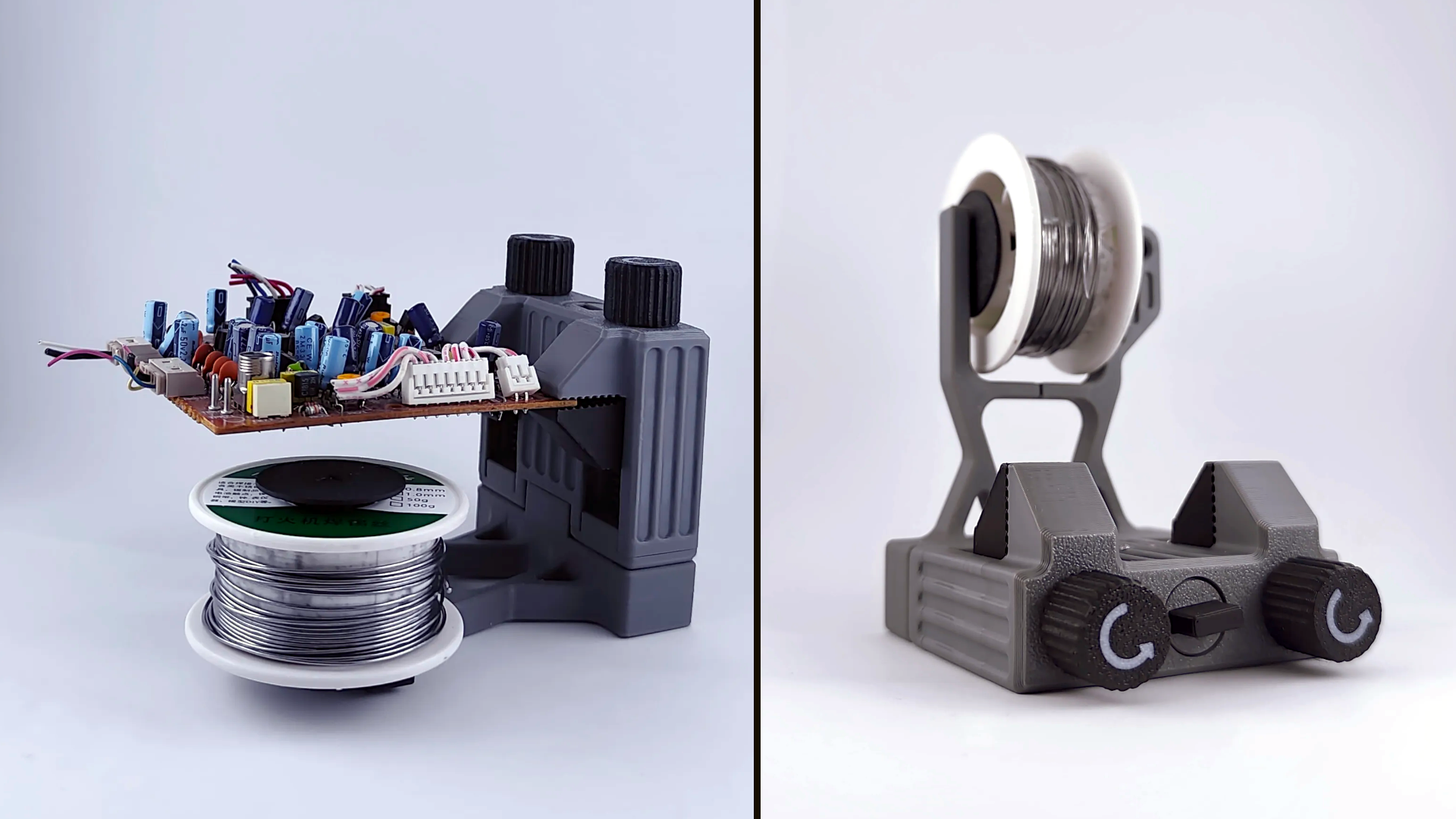
Compact PCB Vise Uses Up That Leftover Filament
A 3D-printed PCB vise created by a maker known online as Chefkoch offers enthusiasts a practical way to repurpose leftover filament spools while gaining a usefu...
 Technology
Apple Health App Revamp with AI Coach Set for September 2024 Release
Apple’s upcoming Health app overhaul, dubbed Project Mulberry, will add an AI health coach, blood‑sugar tracking and camera‑based workout guidance—likely launching in September 2024.
Most Read
Ian Frazier and Samy Burch Discuss 'Coyote vs. Acme' in The New Yorker

Latin America Energy Storage Forecast Jumps to 34 GW by 2035: Wood Mackenzie


Tarkowski strikes late to rescue point for Everton at Bournemouth
