California's AB 1709 Social Media Ban Threatens Free Speech & Privacy
Critics argue California's amended AB 1709 still bans social media for minors under 16, threatening privacy and First Amendment rights through invasive age verification.

California lawmakers have amended Assembly Bill 1709, but civil rights advocates say the core issues remain unresolved, warning that the measure still threatens free speech and privacy for young users and all Californians.
The Electronic Frontier Foundation (EFF), a digital rights nonprofit based in San Francisco, argues that even with changes, AB 1709 still amounts to a de facto ban on social media access for minors under 16. The bill prohibits platforms from offering “addictive features” to users under 16, including what it calls “addictive feeds,” auto-play, and other elements the state Attorney General may designate through future rulemaking. The definition of “addictive feeds” is so broad that it effectively covers nearly all recommendation algorithms, which are standard on most major social media services.
As a result, platforms would have to either block access for users under 16 or strip away core functionalities like content recommendations—both of which raise serious First Amendment concerns. Recommendation algorithms are essential tools for users to discover and share speech online. By forcing platforms to disable these systems for minors, the bill burdens their constitutional right to access information and participate in public discourse.
Privacy advocates also warn that AB 1709 continues to require invasive age verification. Under the amended bill, platforms must verify the age of every user and remain liable if someone under 16 bypasses the check. The legislation references AB 1043, which does not specify how age verification should be implemented without collecting sensitive personal data.
Legal experts say this will likely push platforms toward strict verification methods, such as government ID uploads or biometric scans. Such requirements create significant privacy risks, including large-scale data collection that could become targets for cyberattacks. Biometric age estimation systems have also faced criticism for racial and gender bias and high error rates.
The amendments have also introduced legal confusion by conflicting with existing laws like SB 976, which addresses digital child safety in a different way. Rather than enhancing protections, AB 1709 appears to create overlapping and contradictory regulations.
Critics argue that denying minors access to social media or hobbling their ability to use it undermines their ability to connect with communities, access information, and exercise free speech rights. They warn that California should not set a precedent by cutting young people off from digital platforms that play a vital role in modern civic and social life.
Advocacy groups are urging California residents to contact their state senators and urge them to oppose the bill. They emphasize that minor adjustments do not address the fundamental flaws in AB 1709 and that the legislation could set a dangerous precedent for digital censorship.
#AB1709 #SocialMediaBan #DigitalRights #CaliforniaLegislature #EFF #FreeSpeech #Privacy #MinorsOnline
Comments (0)
No comments yet — be the first to weigh in.
Related Coverage
 Technology
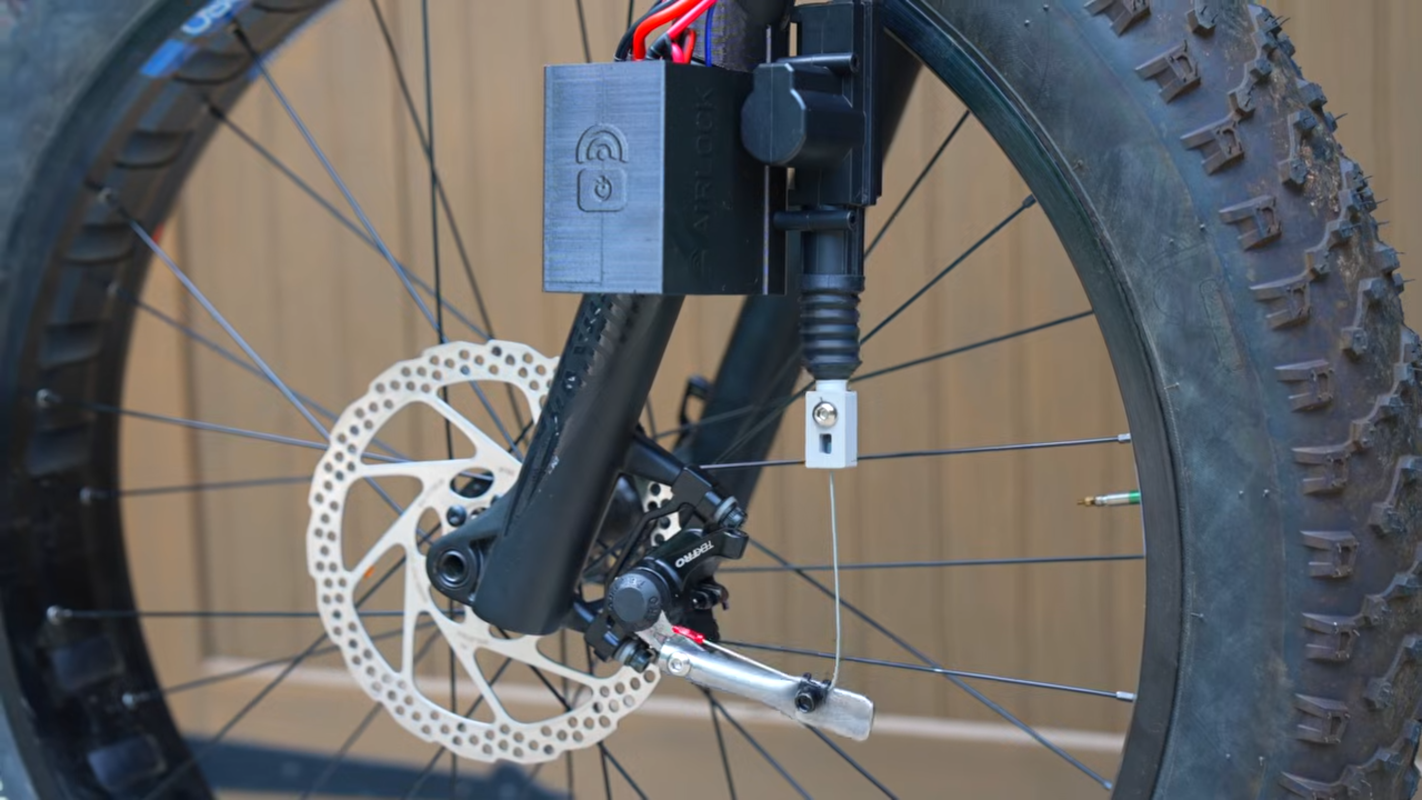
Wireless Fat Tire Brakes: ESP32‑Powered ABS and Remote Control Demo
Tested on a fat‑tire bike, the ESP32‑controlled wireless brakes add ABS, remote‑control, and a braking‑equalizer, showing the future of electronic mountain‑bike braking.
 Technology
Wikipedia on a Cheap Yellow Display
A hobbyist has adapted the Cheap Yellow Display (CYD), a budget-friendly microcontroller board, to serve as an offline Wikipedia reader by running a customized...
 Technology
Compact PCB Vise Uses Up That Leftover Filament
A 3D-printed PCB vise created by a maker known online as Chefkoch offers enthusiasts a practical way to repurpose leftover filament spools while gaining a usefu...
 Technology
Apple Health App Revamp with AI Coach Set for September 2024 Release
Apple’s upcoming Health app overhaul, dubbed Project Mulberry, will add an AI health coach, blood‑sugar tracking and camera‑based workout guidance—likely launching in September 2024.
Most Read

Three-storey building collapses at Swaminarayan temple in Prayagraj, no casualties
Kai Bird Explores Roy Cohn's Influence on Donald Trump's America

Canada's Solar Energy Growth: Provinces Chart Diverse Paths to 2035 Goals

Autumn Hill Sentenced to 50 Years in Prison for Anti-ICE Protest: A Case of Political Persecution?
