California DROP Tool Lets Residents Delete Data Broker Info Easily
California residents can now use the DROP tool to request data brokers delete their personal information and opt out of data sales, enhancing privacy protection under the Delete Act.

California residents now have a streamlined way to protect their personal data with the state’s Delete Request and Opt-Out Platform, or DROP. Introduced under the California Delete Act, DROP allows residents to submit a single request to have their information deleted from the databases of all registered data brokers in the state. The tool, administered by the California Privacy Protection Agency, went live on January 1, 2024, with full compliance required by data brokers starting August 1.
A DROP request automatically sends opt-out and deletion instructions to 614 registered data brokers—companies that collect, repackaged, and sell personal information. Once submitted, brokers have 45 days to process the request. By filing now, California residents can be among the first to use the system, gaining early control over their data before the deadline.
The Delete Act was championed by the Electronic Frontier Foundation (EFF), which advocated for making privacy rights more accessible. Prior to DROP, residents had to submit individual requests to each data broker—a time-consuming and often confusing process. Many people didn’t even know which brokers held their data. DROP centralizes this process by connecting directly to the state’s data broker registry.
Filing a DROP request can help reduce unwanted contact such as spam emails and telemarketing calls, since data brokers are a common source of this information. It also lowers cybersecurity risks by minimizing the number of companies holding sensitive data that could be exposed in a breach. Additionally, the request helps individuals regain some control over how their personal information is used, especially when it comes to sensitive inferences such as health status or political views.
The California Privacy Protection Agency has clarified that a DROP request typically covers identifiers like Social Security numbers, precise geolocation, browsing history, email addresses, and phone numbers. It can also request deletion of inferred data—such as assumptions about health conditions. However, certain publicly available information, like real estate or vehicle ownership records, cannot be removed.
To file a request, residents must provide personal details such as name, address, and email for verification. While this may seem ironic, the agency is legally bound not to sell or misuse this data. Residents can also file on behalf of others, such as elderly relatives. After submission, filers receive a DROP ID to track their request’s status.
It’s important to note that a single DROP request isn’t permanent. Data brokers may continue collecting new data unless restricted by stronger laws. The opt-out from sale is likely to remain in effect, but brokers can still gather information for profiling purposes. New brokers may register after a request is filed, and DROP doesn’t cover non-registered entities like major tech platforms.
For those outside California, DROP isn’t available, but similar laws have been proposed in other states. Meanwhile, EFF recommends using its Opt-Out October guide to manage digital privacy nationwide.
#CaliforniaPrivacy #DROPOptOut #DataBroker #DeleteAct #EFF #PrivacyRights #DigitalPrivacy #CAPrivacy
Comments (0)
No comments yet — be the first to weigh in.
Related Coverage
 Technology
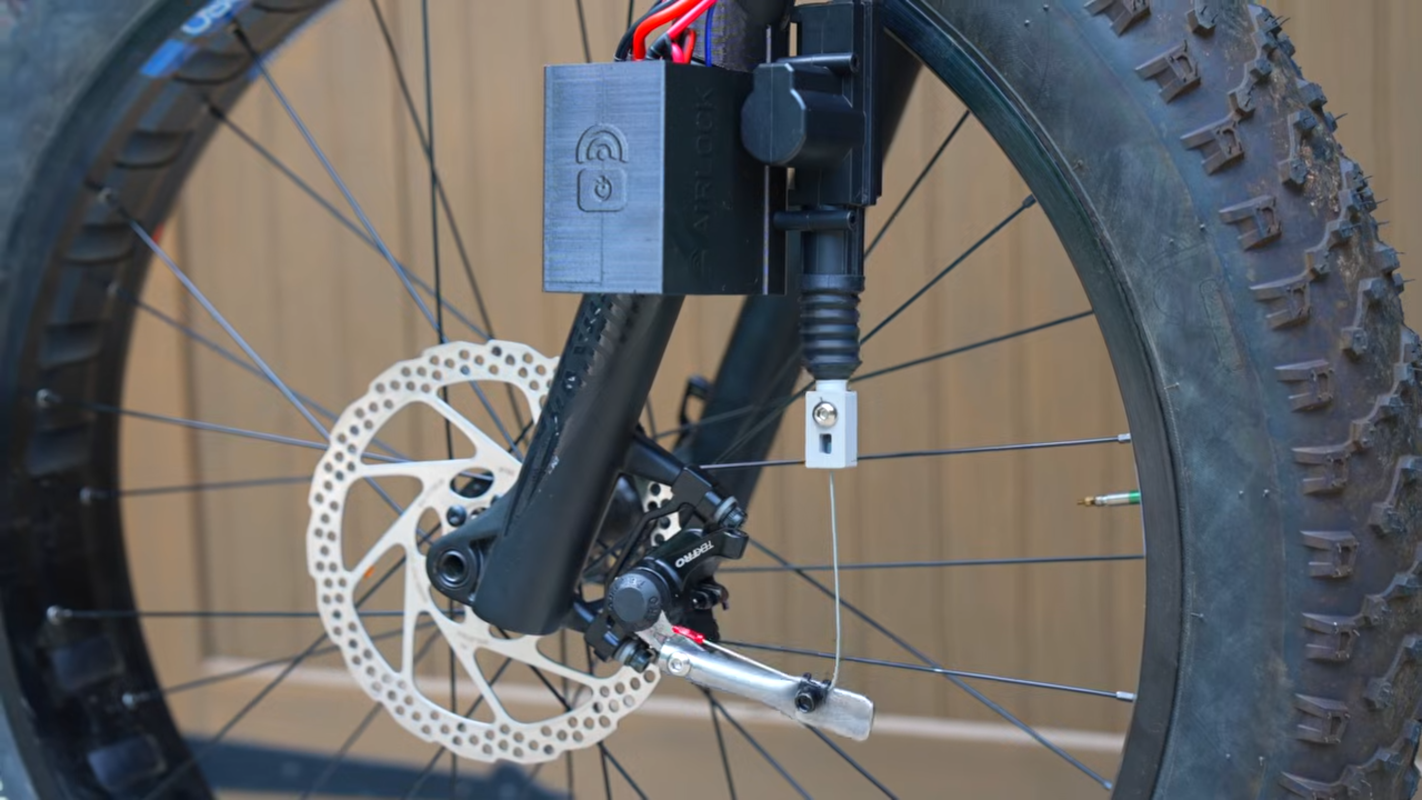
Wireless Fat Tire Brakes: ESP32‑Powered ABS and Remote Control Demo
Tested on a fat‑tire bike, the ESP32‑controlled wireless brakes add ABS, remote‑control, and a braking‑equalizer, showing the future of electronic mountain‑bike braking.
 Technology
Wikipedia on a Cheap Yellow Display
A hobbyist has adapted the Cheap Yellow Display (CYD), a budget-friendly microcontroller board, to serve as an offline Wikipedia reader by running a customized...
 Technology
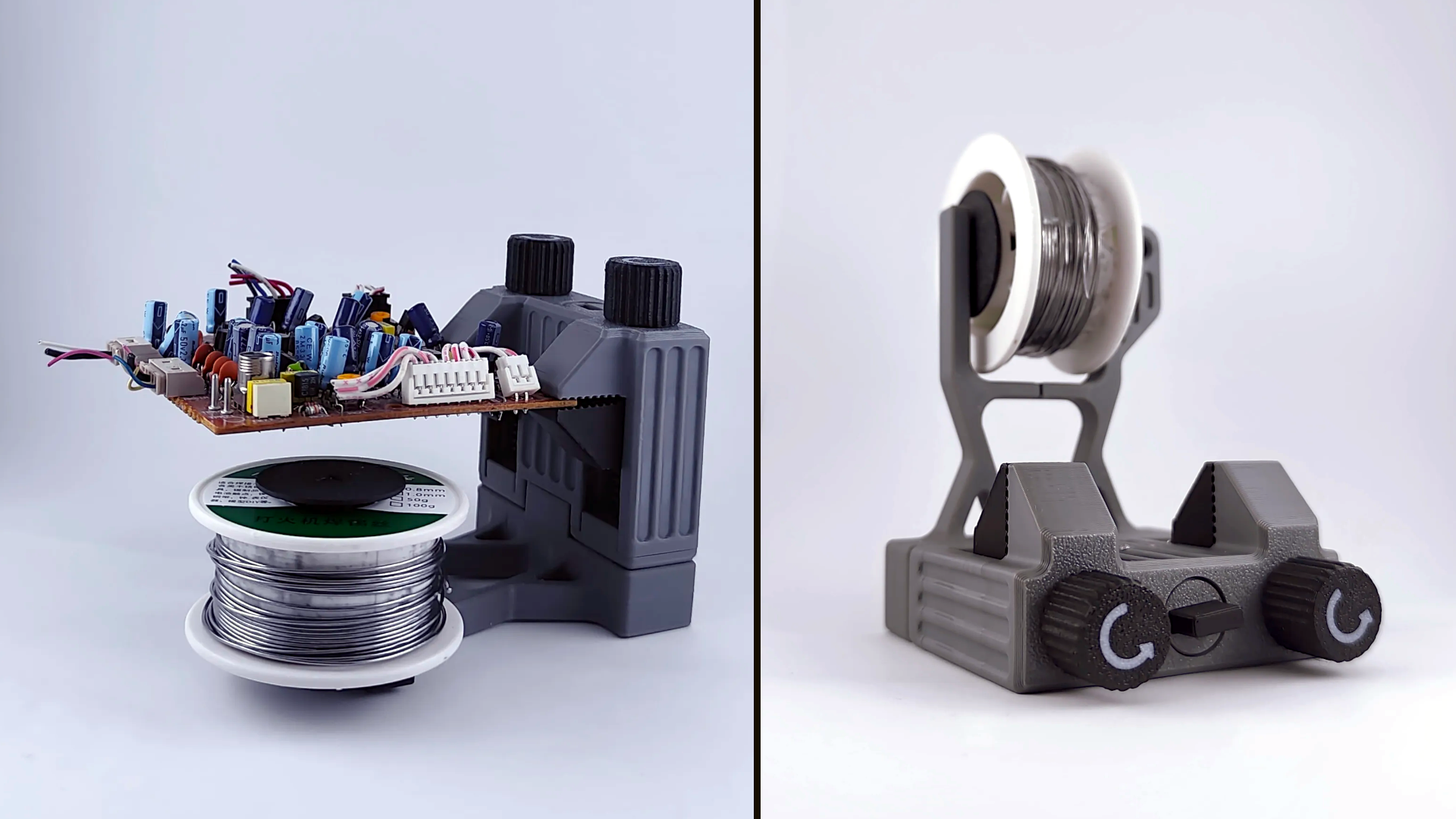
Compact PCB Vise Uses Up That Leftover Filament
A 3D-printed PCB vise created by a maker known online as Chefkoch offers enthusiasts a practical way to repurpose leftover filament spools while gaining a usefu...
 Technology
Apple Health App Revamp with AI Coach Set for September 2024 Release
Apple’s upcoming Health app overhaul, dubbed Project Mulberry, will add an AI health coach, blood‑sugar tracking and camera‑based workout guidance—likely launching in September 2024.
Most Read
Ian Frazier and Samy Burch Discuss 'Coyote vs. Acme' in The New Yorker

Latin America Energy Storage Forecast Jumps to 34 GW by 2035: Wood Mackenzie


Tarkowski strikes late to rescue point for Everton at Bournemouth
