Britain’s penny-pinching panopticon

Britain’s new 2026 Sentencing Act introduces “restriction zones” for offenders, using geofencing technology to monitor and control their movements. The Ministry of Justice’s Westminster headquarters at 102 Petty France, a Brutalist building often compared to dystopian settings, is where the policy was developed. Starting in October, these zones will impose strict geographical boundaries on GPS-tagged offenders, preventing them from entering areas where they might harass or encounter victims of crimes like stalking, domestic violence, or sexual offenses. Violations could result in offenders being sent back to prison, a measure intended to provide reassurance to victims.
Victims’ advocacy groups have welcomed the initiative. A spokeswoman for the Joanna Simpson Foundation, a domestic violence charity, called the rollout “a much-needed change that has long been called for” and “a powerful step forward.” For years, victims have expressed distress over knowing their abusers are free to move through their communities. However, questions remain about the practical effectiveness of restriction zones. Theoretical models of offender control often fail when faced with real-world complexities, particularly when offenders act irrationally due to substance abuse or mental health issues.
The policy also raises broader concerns about penal reform, justice, and civil liberties. Critics question whether the government’s approach is overly ambitious, attempting to balance cost-cutting with appeasing reform advocates skeptical of imprisonment. Instead of incarceration, violent offenders may now be monitored within virtual-reality prisons—3-kilometre exclusion zones around their homes. While initially targeting violent offenders, there are concerns about whether the model could expand to include other crimes, such as burglary or robbery. The ultimate question is whether these zones will truly protect the public or represent a shift toward a more restrictive society.
Former police officer and policy analyst Rory Geoghegan has highlighted a progressive bias in criminal justice, where the state focuses on addressing an offender’s “criminogenic needs” rather than prioritizing public safety. This approach often prioritizes offenders’ rights and rehabilitation over stringent monitoring, leaving victims vulnerable. The probation service, already under strain, will play a key role in implementing the zones, working with victims to create safety plans. However, the service’s performance has been inconsistent, and concerns persist about the private sector’s involvement in monitoring, which has faced scandals over equipment and administrative failures.
The practical challenges of managing offenders in the community are significant. Police forces, already stretched thin, may struggle to allocate resources for constant monitoring. For example, protecting a single individual can require multiple officers, while tracking a suspect’s movements demands substantial surveillance teams. The restriction zone policy risks adding to this burden, particularly given the high rates of missed probation appointments—32% of high-risk sex offender meetings between 2023 and 2025 were not attended due to workload issues. Success will depend on whether the policy reduces reoffending and prevents prison returns, but past failures in risk management, such as the cases of Axcel Rudakubana and Valdo Calocane, suggest caution.
#SentencingAct2026 #RestrictionZones #MinistryOfJustice #OffenderMonitoring #ProbationService #CriminalJusticeReform #VictimProtection #UKLaw
Comments (0)
No comments yet — be the first to weigh in.
Related Coverage
 Politics
Headlines for August 26, 2026
Iran has resumed talks with Oman about managing the Strait of Hormuz while tensions in the region remain high, despite economic pressure from the United States....
 Politics
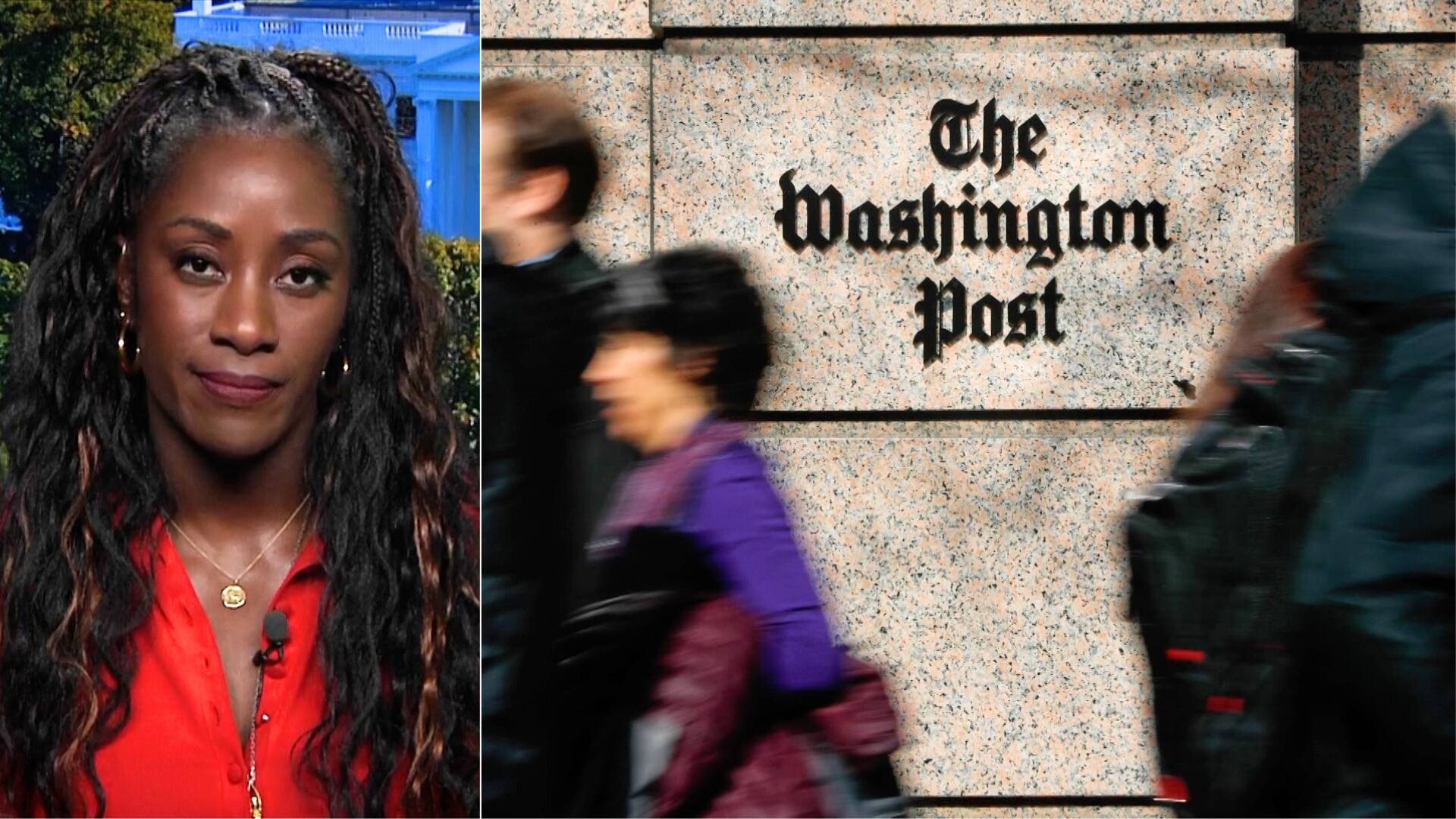
Karen Attiah Wins Reinstatement at Washington Post After Arbitration Victory
Award-winning Washington Post columnist Karen Attiah has been reinstated with back pay after an arbitrator ruled in her favor following her controversial firing over social media posts about Charlie Kirk.
 Politics
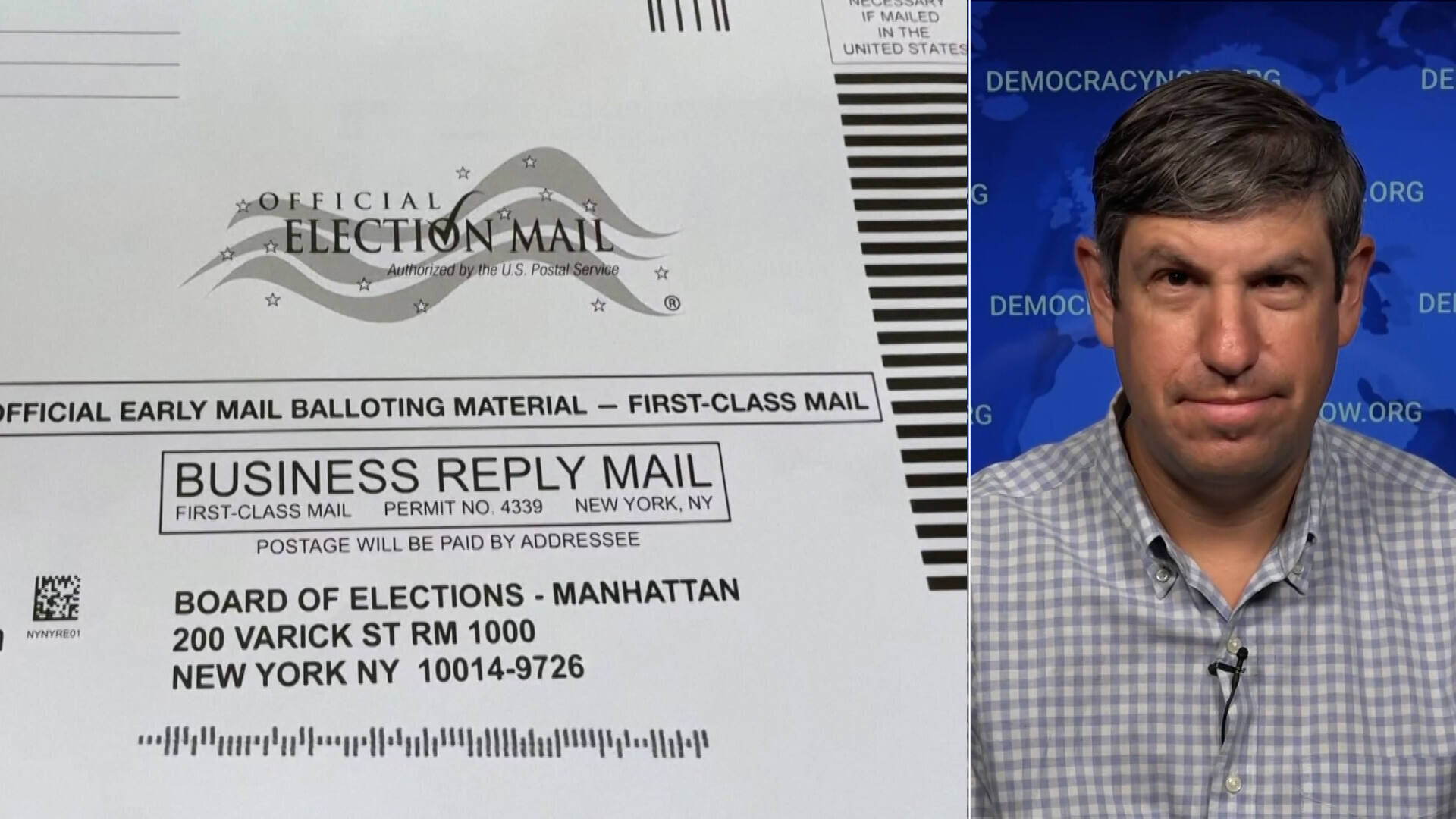
Supreme Court Allows Trump’s Mail-In Voting Restrictions to Proceed: What It Means for Midterms
The Supreme Court’s 6-3 decision lifts an injunction on Trump’s executive order restricting mail-in voting, raising concerns over potential voter disenfranchisement ahead of the midterm elections.
 Politics
Robert Reich Warns Most Americans Are Getting Poorer Despite Stock Market Highs
Economist Robert Reich criticizes Treasury Secretary Scott Bessent's dismissal of the K-shaped economy, arguing wage stagnation and inflation are worsening inequality.
Most Read
Ian Frazier and Samy Burch Discuss 'Coyote vs. Acme' in The New Yorker

Latin America Energy Storage Forecast Jumps to 34 GW by 2035: Wood Mackenzie

Tarkowski strikes late to rescue point for Everton at Bournemouth
