BBC Director-General Admits Unawareness of Severity of Corporation's Financial Cuts
BBC's Matt Brittin reveals he was not fully aware of the depth of £500m savings plan, including 2,000 job cuts, during his first major industry appearance at Edinburgh TV Festival.
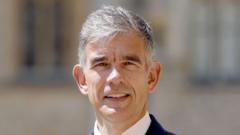
BBC director‑general Matt Brittin said he was unaware of the full extent of the BBC’s planned cuts when he assumed the post in March, a statement that came amid a growing debate over the corporation’s future.
Brittin, who was announced as the BBC’s new chief in January, told the Edinburgh TV Festival that he “knew that cuts had been announced and that savings had been announced, but I hadn't really understood the severity.” The cuts, which were unveiled in June, aim to deliver £160 million of the £500 million savings target set for the 2028‑29 financial year. The programme is expected to see around 2,000 jobs eliminated across news, nations and content divisions.
The director‑general’s comments were made against the backdrop of a BBC that has long been under scrutiny for its financial management and its ability to adapt to a rapidly changing media landscape. Brittin, a former executive at Google, is the first BBC chief since Greg Dyke in 2000 who had not previously worked for the corporation. He has said that his experience in the tech sector will help the BBC “move faster through experimenting and learning” and work with colleagues to “find a way to the future together.”
During the interview with BBC presenter Kirsty Wark, Brittin praised the BBC’s “creativity and talent” but warned that “every media organisation is struggling with rapidly changing consumer behaviour and the power of the AI revolution.” He described the corporation as “inward looking” and criticised what he saw as an aversion to risk. “You’ve got very loud critics, many of whom are the commercial rivals of the corporation and you’ve got political pressure on everything that you do journalistically,” he added.
Brittin’s remarks were followed by a brief discussion of the BBC’s legal battles. The corporation is currently fighting a defamation lawsuit brought by former U.S. President Donald Trump, who is seeking $10 bn (£7.4 bn) in damages in a Florida court over a Panorama documentary that was edited in 2024. Legal representatives for the BBC have sought to have the case dismissed on jurisdictional grounds, arguing that the show with the alleged bad edits was not broadcast in the United States. Brittin noted that the BBC had previously apologized for an “error of judgement” in the editing of the programme.
The BBC’s financial woes are part of a wider pattern of austerity measures that have affected public broadcasters worldwide. In addition to the announced job cuts, the corporation has been urged to streamline its operations and reduce its reliance on government funding. Critics say the cuts could undermine the BBC’s ability to produce high‑quality news and cultural programming. Supporters of the savings plan argue that the measures are necessary to ensure the corporation’s long‑term sustainability.
Brittin’s tenure has already seen him confront a number of high‑profile challenges. He has had to balance the expectations of the UK government, which remains the BBC’s largest shareholder, with the corporation’s statutory duty to provide impartial, high‑quality content to the public. He has also had to navigate the complex regulatory environment surrounding the BBC’s commercial arm, the BBC Studios, and its relationships with advertisers and distributors.
Looking ahead, Brittin has expressed a commitment to “defend its integrity” while pushing the BBC to innovate in the face of new technologies and changing audience habits. He has called for a culture of experimentation and a willingness to take calculated risks, arguing that the corporation must evolve to remain relevant. Whether the BBC can achieve the ambitious savings target without compromising its core mission remains a key question for the broadcaster’s stakeholders, the public and the government.
Comments (0)
No comments yet — be the first to weigh in.
Related Coverage
 Entertainment
Yayoi Kusama’s Death Signals a Kind Fall for Art and Humanity
Hyperallergic reflects on the passing of Yayoi Kusama, Dolly Parton, and Sliman Mansour, while exploring loneliness, AI, and art's role in a changing world.
 Entertainment
Tessa Hulls on Her Graphic Memoir 'Feeding Ghosts' on Longform Podcast #571
Writer and artist Tessa Hulls discusses her graphic memoir Feeding Ghosts and the project she spent her life avoiding, on Longform Podcast #571.
 Entertainment
Derek Thompson on Longform Podcast: Solving Life's Mysteries Through Writing
Derek Thompson, Atlantic staff writer and Plain English host, discusses his career as a 'dilettante' and love for uncovering mysteries in his Longform Podcast interview.
 Entertainment
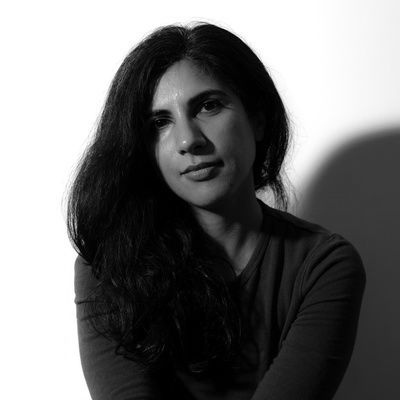
Rozina Ali on Longform Podcast #573 Discussing Her Career and Reporting
Rozina Ali, a New York Times Magazine writer and National Magazine Award winner, joins the Longform Podcast to discuss her career and latest reporting.
Most Read

Three-storey building collapses at Swaminarayan temple in Prayagraj, no casualties
Kai Bird Explores Roy Cohn's Influence on Donald Trump's America

Canada's Solar Energy Growth: Provinces Chart Diverse Paths to 2035 Goals
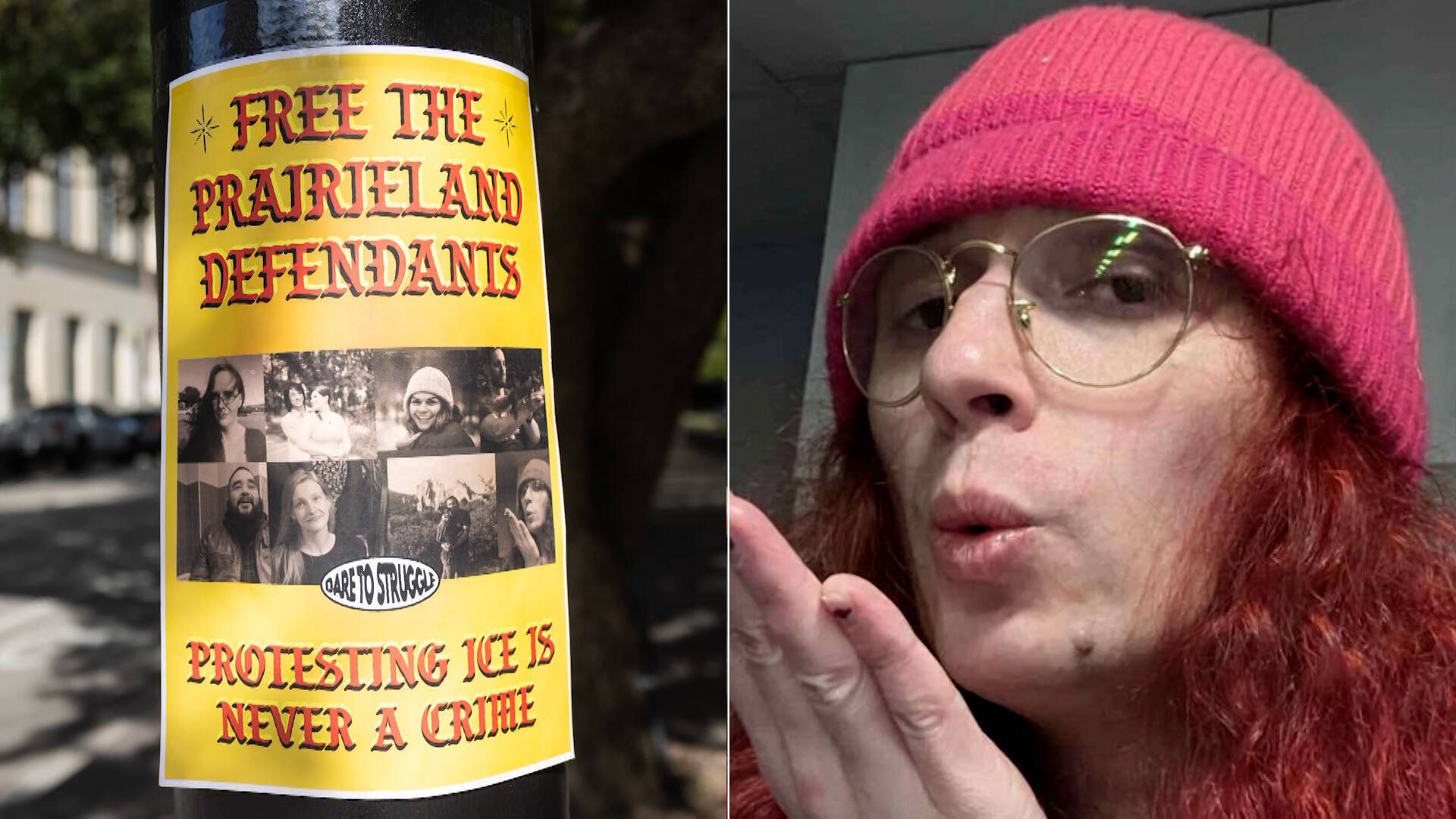
Autumn Hill Sentenced to 50 Years in Prison for Anti-ICE Protest: A Case of Political Persecution?
