Apple Vision Pro: How Lying Down Turns It Into a Relaxing TV Experience
Discover why the Apple Vision Pro shines as a bedtime TV, with Tim Cook’s lying‑down method turning it into a cozy 3‑D streaming experience, and how used models cut costs for you today.

Apple’s Vision Pro mixed-reality headset has emerged as one of the company’s most intriguing hardware launches, offering groundbreaking technical capabilities while serving as a transitional platform to introduce visionOS before lighter, glasses-style devices arrive. Since its debut, many early adopters have discovered that one of the most satisfying—and practical—ways to use the Vision Pro is for immersive content consumption, particularly when watching movies and shows while lying down.
While the Vision Pro boasts impressive features like Mac Virtual Display and spatial FaceTime, its weight and form factor have limited prolonged use for many consumers. As a result, the market for used units has grown, with prices dropping significantly below the original $3,699 starting point. Today, used Vision Pro headsets can often be found for around $1,500, making the device more accessible to a broader audience.
Among the available entertainment options, streaming services like Disney+, Max (formerly HBO Max), and YouTube are supported, alongside Apple TV. Netflix remains a notable exception, continuing to block the platform. Despite concerns about the App Store’s limited offerings, the headset’s strengths in visual immersion and screen quality make it ideal for media consumption.
Tim Cook, Apple’s outgoing CEO, has publicly shared his preferred way to use the Vision Pro: watching shows while lying down. In a 2025 interview at the *Ted Lasso* season 4 premiere, Cook again referenced the experience, describing it as uniquely relaxing and immersive. This "Tim Cook method," as some fans now call it, involves reclining and gazing upward, effectively minimizing the device’s weight concerns while enhancing comfort.
For casual users, the Vision Pro’s high cost may seem disproportionate for occasional viewing, but the recent price drop on the used market has shifted that calculation. For those willing to invest in a secondary device, the Vision Pro can serve as an upscale, 3D-capable entertainment system—ideal for winding down at bedtime.
While multitasking and typing on the Vision Pro can be cumbersome, its strengths in large-screen, immersive media playback remain unmatched for a portable device. As Apple continues to refine visionOS and develop lighter alternatives, the Vision Pro’s role as a premium entertainment platform may solidify—at least for now.
#AppleVisionPro #visionOS #TimCook #TedLasso #ARheadset #UsedTech #Streaming #TechReview
Comments (0)
No comments yet — be the first to weigh in.
Related Coverage
 Technology
Wikipedia on a Cheap Yellow Display
A hobbyist has adapted the Cheap Yellow Display (CYD), a budget-friendly microcontroller board, to serve as an offline Wikipedia reader by running a customized...
 Technology
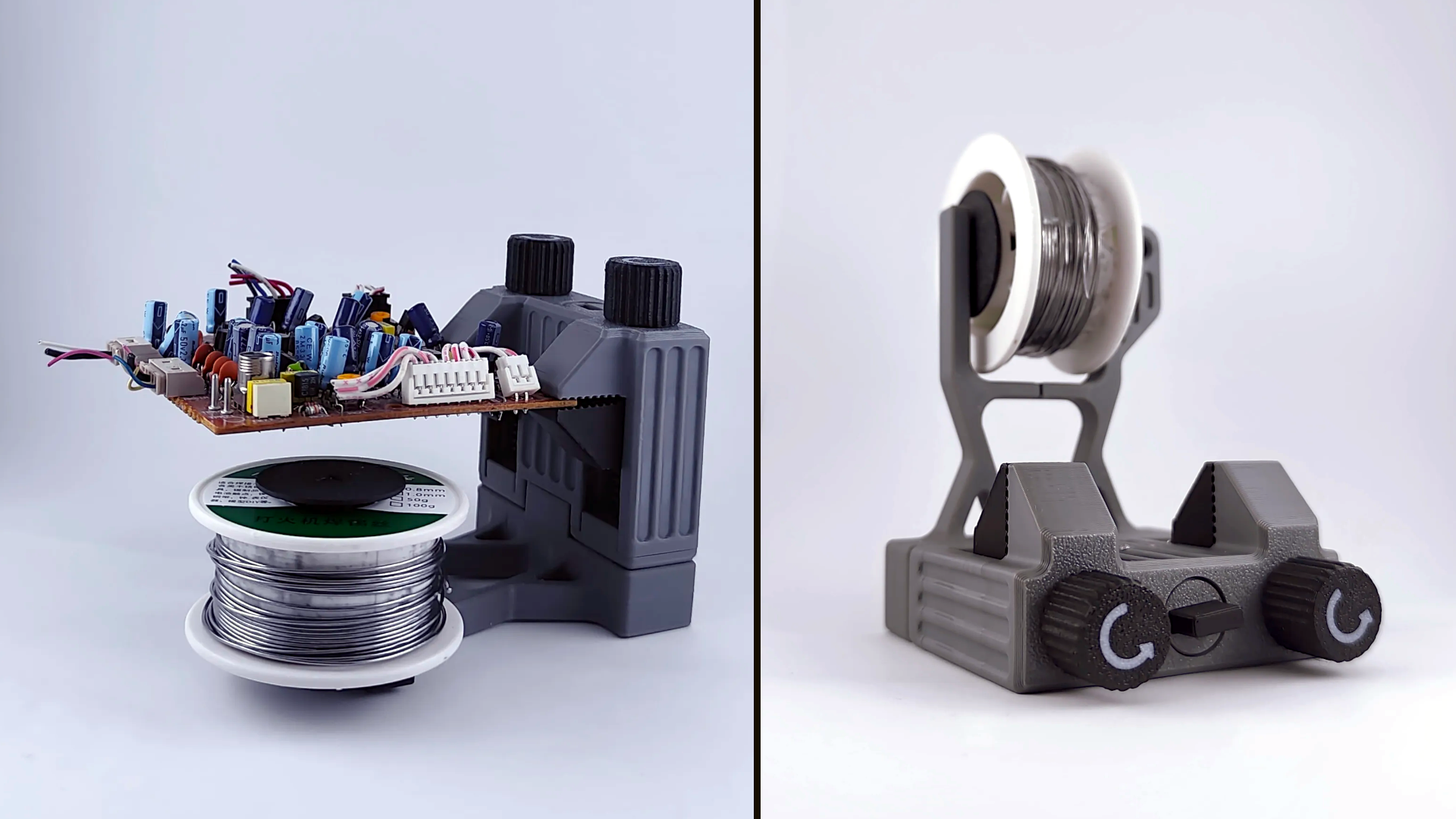
Compact PCB Vise Uses Up That Leftover Filament
A 3D-printed PCB vise created by a maker known online as Chefkoch offers enthusiasts a practical way to repurpose leftover filament spools while gaining a usefu...
 Technology
Apple Health App Revamp with AI Coach Set for September 2024 Release
Apple’s upcoming Health app overhaul, dubbed Project Mulberry, will add an AI health coach, blood‑sugar tracking and camera‑based workout guidance—likely launching in September 2024.
 Technology
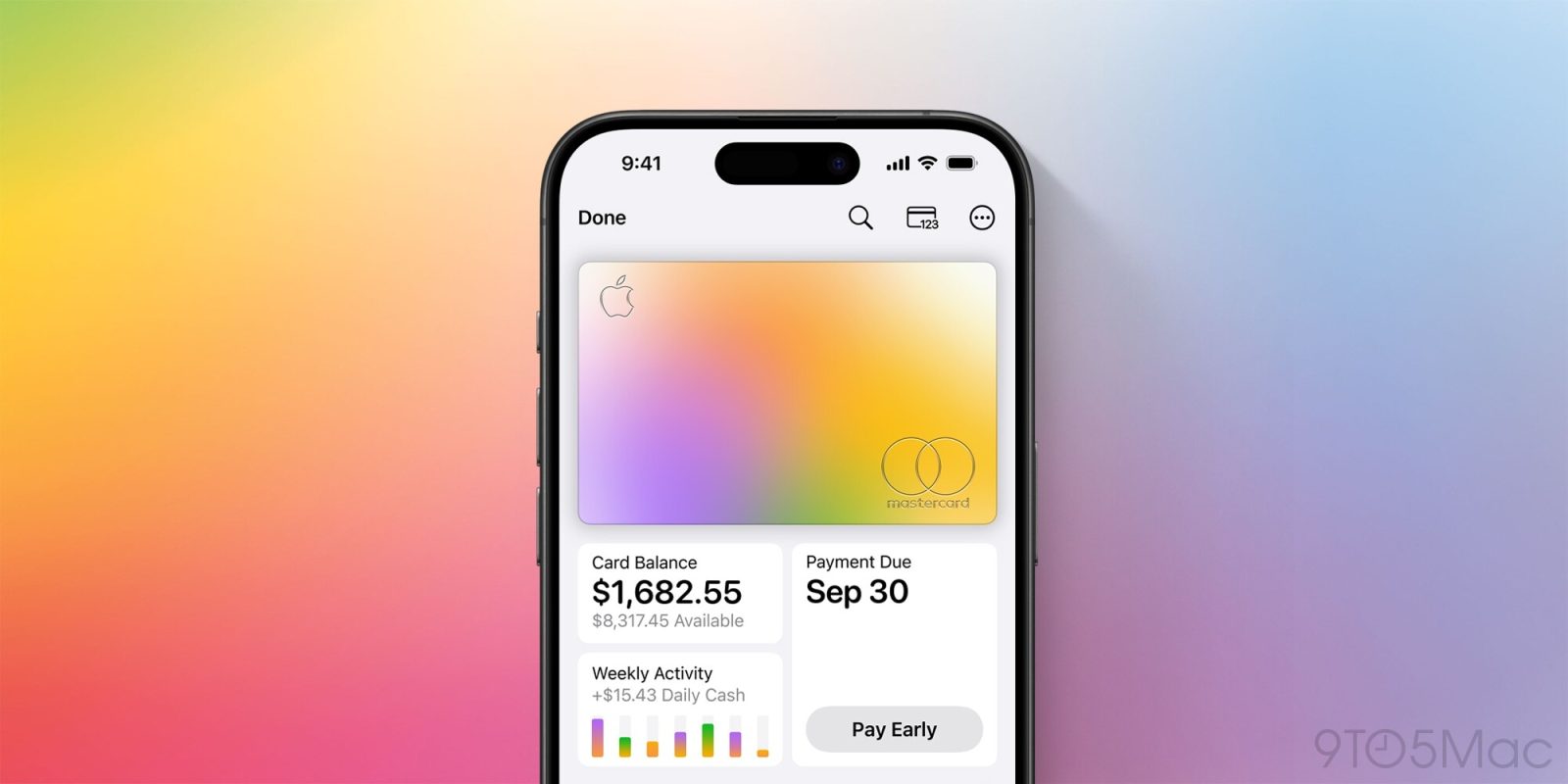
Apple Card keeps getting better, here’s everything new
Apple Card continues to evolve with new features and benefits as it marks seven years since its launch. Apple, in partnership with Goldman Sachs and soon Chase,...
Most Read

Arunachal CM Unveils Vision 2036 for Youth Skill & Entrepreneurship Growth

KPop Demon Hunters Joins Criterion Collection: Why the Animated Hit Stands Out

Global renewable energy investments hit $327.5B in H1 2026, solar-plus-storage surges

Supreme Court Allows Trump’s Mail-In Voting Restrictions to Proceed: What It Means for Midterms
