AI Surveillance Evasion: German Designer Creates 'Anti-AI' Fabric to Confuse Algorithms
German designer Simon Weckert creates vibrant fabric to trick AI surveillance cameras into not recognizing wearers as humans. Explore how this innovative approach challenges AI detection.
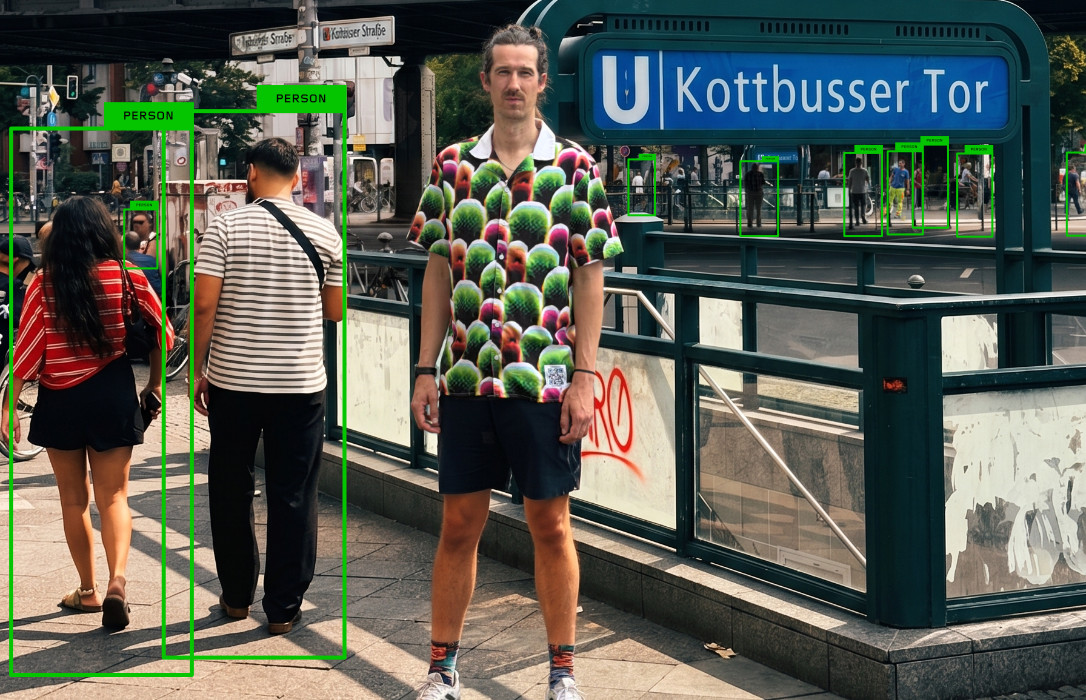
German designer Simon Weckert has developed a wearable fabric designed to disrupt artificial intelligence-powered surveillance systems by preventing AI from recognizing the wearer as a human. The innovation addresses growing concerns over pervasive AI-driven monitoring in public spaces, where facial recognition and behavioral analysis are increasingly used by governments and corporations. Weckert’s design employs bold, saturated colors and patterns that specifically target the weaknesses of AI recognition algorithms, effectively creating visual noise to obscure the wearer’s identity.
The fabric, which Weckert calls a "loud" garment, is intended to confuse AI systems by overwhelming their ability to distinguish human figures from background elements. In demonstrations, the approach appears to work—AI systems fail to identify the wearer as a person. However, the design also makes the wearer highly conspicuous to human observers due to its vibrant and eye-catching appearance. This trade-off raises questions about the long-term effectiveness of such a solution, particularly as AI systems continue to improve and adapt to countermeasures.
Weckert’s project joins a growing body of work aimed at evading AI surveillance, reflecting a broader trend where individuals and researchers seek ways to protect privacy in an era of expanding digital monitoring. Similar techniques, such as adversarial patches or clothing designed to fool facial recognition, have been explored in the past, though many have proven temporary solutions. As AI surveillance technologies advance—including those used by law enforcement and private companies—innovations like Weckert’s fabric highlight the ongoing cat-and-mouse game between privacy advocates and those seeking to monitor behavior.
The question remains whether such designs can remain effective against increasingly sophisticated AI systems. While the fabric may temporarily disrupt recognition algorithms, developers of these systems are likely to refine their models to account for such tactics. This could lead to an escalation in both evasion techniques and surveillance countermeasures, making privacy protection an ongoing challenge.
For now, Weckert’s creation offers a creative, if visually striking, approach to resisting AI surveillance. Whether it becomes a mainstream solution or another short-lived tactic in the privacy wars depends largely on how quickly surveillance technologies evolve to counter it.
#AIPrivacy #Surveillance #FacialRecognition #PrivacyTech #WearableTech #SimonWeckert #Germany
Comments (0)
No comments yet — be the first to weigh in.
Related Coverage
 Technology
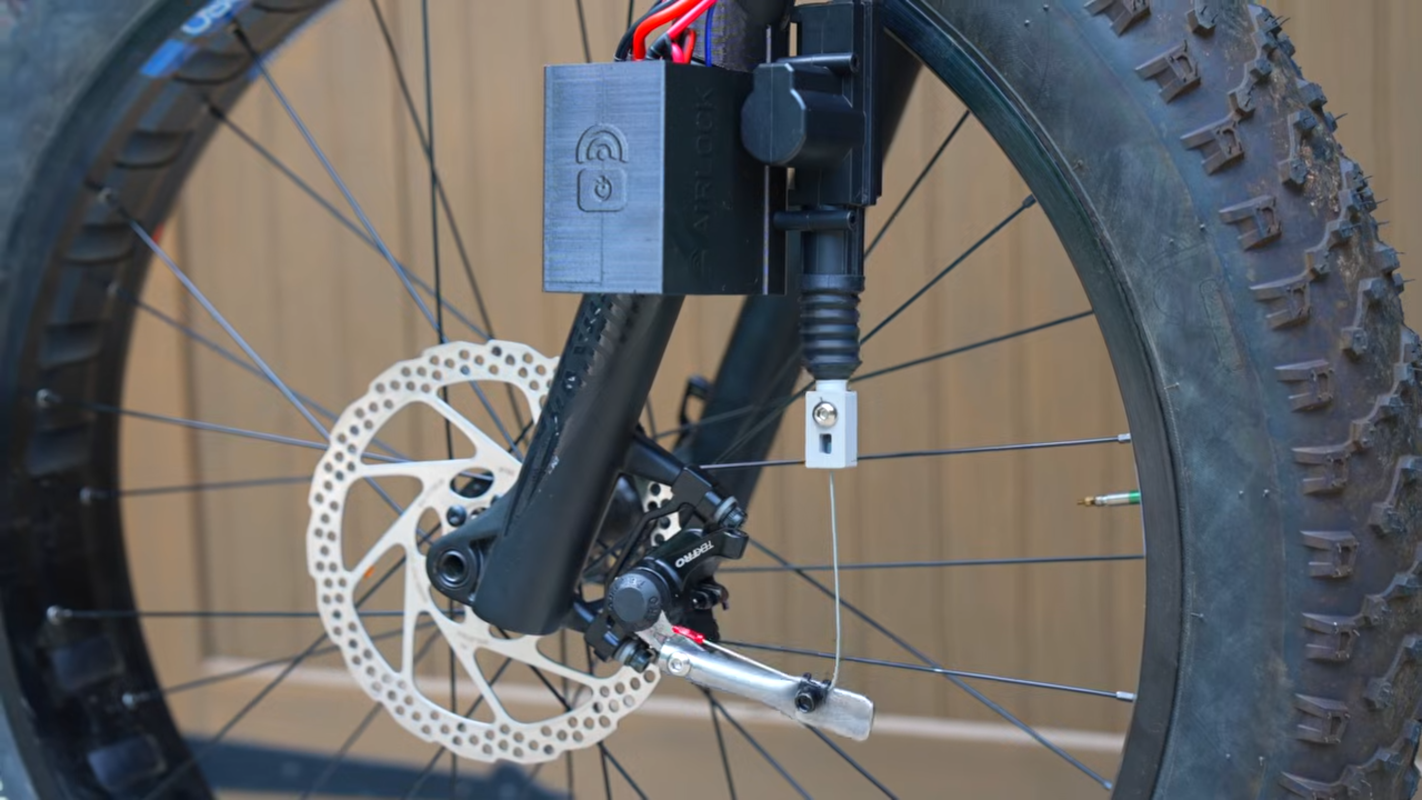
Wireless Fat Tire Brakes: ESP32‑Powered ABS and Remote Control Demo
Tested on a fat‑tire bike, the ESP32‑controlled wireless brakes add ABS, remote‑control, and a braking‑equalizer, showing the future of electronic mountain‑bike braking.
 Technology
Wikipedia on a Cheap Yellow Display
A hobbyist has adapted the Cheap Yellow Display (CYD), a budget-friendly microcontroller board, to serve as an offline Wikipedia reader by running a customized...
 Technology
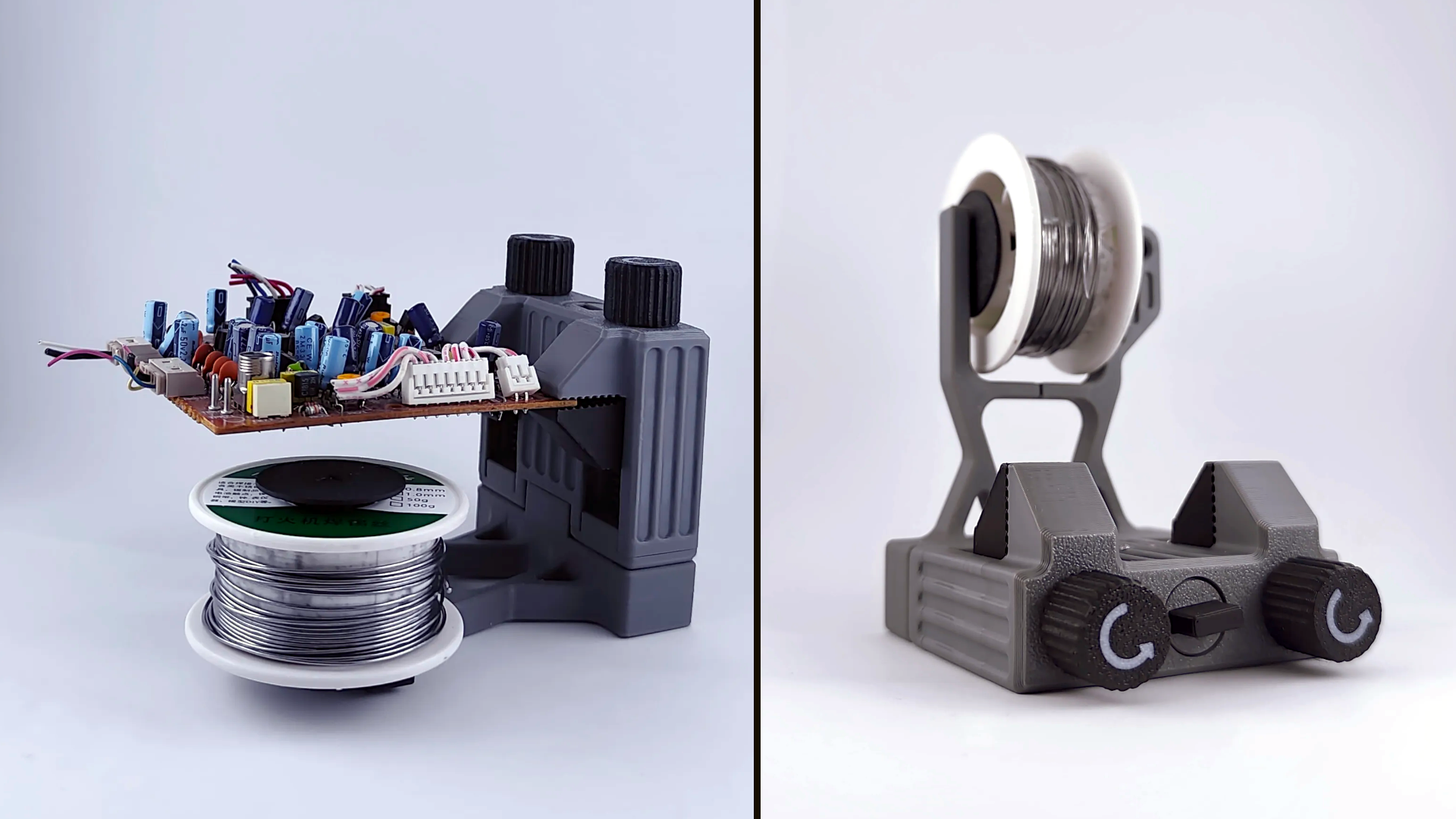
Compact PCB Vise Uses Up That Leftover Filament
A 3D-printed PCB vise created by a maker known online as Chefkoch offers enthusiasts a practical way to repurpose leftover filament spools while gaining a usefu...
 Technology
Apple Health App Revamp with AI Coach Set for September 2024 Release
Apple’s upcoming Health app overhaul, dubbed Project Mulberry, will add an AI health coach, blood‑sugar tracking and camera‑based workout guidance—likely launching in September 2024.
Most Read

Russian Drone Strike on Kiev Ammo Depot Kills 37, Sparks Evacuations

At least 37 dead and hundreds evacuated after strike on Kyiv warehouse
Ian Frazier and Samy Burch Discuss 'Coyote vs. Acme' in The New Yorker

Latin America Energy Storage Forecast Jumps to 34 GW by 2035: Wood Mackenzie