AI-Powered Backup Verification: Ensuring Cyber Disaster Recovery Readiness
Discover why traditional backups fail during cyber disasters and how AI-powered verification ensures complete, restorable data recovery for resilient IT infrastructure.

Backup verification is a critical but often overlooked step in disaster recovery planning, according to cybersecurity experts. While many organizations assume their data is safely backed up, the reality is that a backup is only truly effective if it can be fully restored when needed. This gap between perceived and actual protection has left many IT leaders vulnerable, particularly as ransomware attacks and infrastructure failures become more frequent.
A recent survey by Kaseya, in partnership with 1105 Media, found that 53 percent of IT professionals are only "somewhat confident" in their organization's ability to recover from a ransomware attack. Many admitted that their backup systems rely on "limited testing," with only 15 percent expressing high confidence in their recovery capabilities. The findings highlight a widespread issue: organizations may believe their backups are secure, but they lack verified proof that data can be restored in an emergency.
"Backup isn't done and trustworthy until you've confirmed that the application actually works and can be restored in a recovery environment," said Brent Torre, GM of cyber resilience at Kaseya. Historically, manual verification has been the norm, but it is time-consuming, prone to errors, and often inconsistent. Many IT teams still rely on outdated methods like intermittent manual checks or static verification, which fail to account for the complexity of modern IT ecosystems.
These legacy approaches not only waste valuable resources but also create a false sense of security. According to Torre, manual verification—such as reviewing screenshots—can lead to false positives or negatives, leaving organizations exposed when a real disaster strikes. Additionally, compliance frameworks increasingly require frequent recovery testing, making manual verification even less viable.
The solution lies in AI-powered verification, which automates the process of confirming backup integrity. By booting up virtualized backups, capturing screenshots, and analyzing them with AI, organizations can achieve 99.9 percent verification accuracy. This method reduces false positives, eliminates manual labor, and ensures that backups are not just completed but fully recoverable.
For managed service providers (MSPs) and IT departments, AI-powered verification offers significant advantages. It reduces operational overhead, frees up skilled staff for higher-value tasks, and improves customer trust by providing reliable disaster recovery. Datto, a Kaseya company, has integrated this technology into its business continuity and disaster recovery (BCDR) platform, allowing for seamless deployment without disrupting existing workflows.
The platform also supports remote monitoring and management (RMM), enabling proactive remediation and real-time backup health tracking. "Having visibility into your backup estate through RMM ensures you're up to date on patching, antivirus definitions, and backups," Torre explained. This integration allows IT teams to assess risk across their entire fleet and initiate recoveries directly from a single console.
The ultimate goal is continuous validation and automated remediation, eliminating the need for manual intervention. Torre emphasized that the best verification solutions should be "impossibly easy to use," requiring minimal effort beyond deployment and recovery initiation.
By adopting AI-powered backup verification, organizations can move beyond assumptions and establish proof of recoverability. This certainty is the only safeguard against the harsh reality that disasters—whether cyberattacks or hardware failures—will inevitably occur.
#BackupVerification #CyberResilience #RansomwareProtection #ITDisasterRecovery #AIinCybersecurity #Kaseya #Datto
Comments (0)
No comments yet — be the first to weigh in.
Related Coverage
 Technology
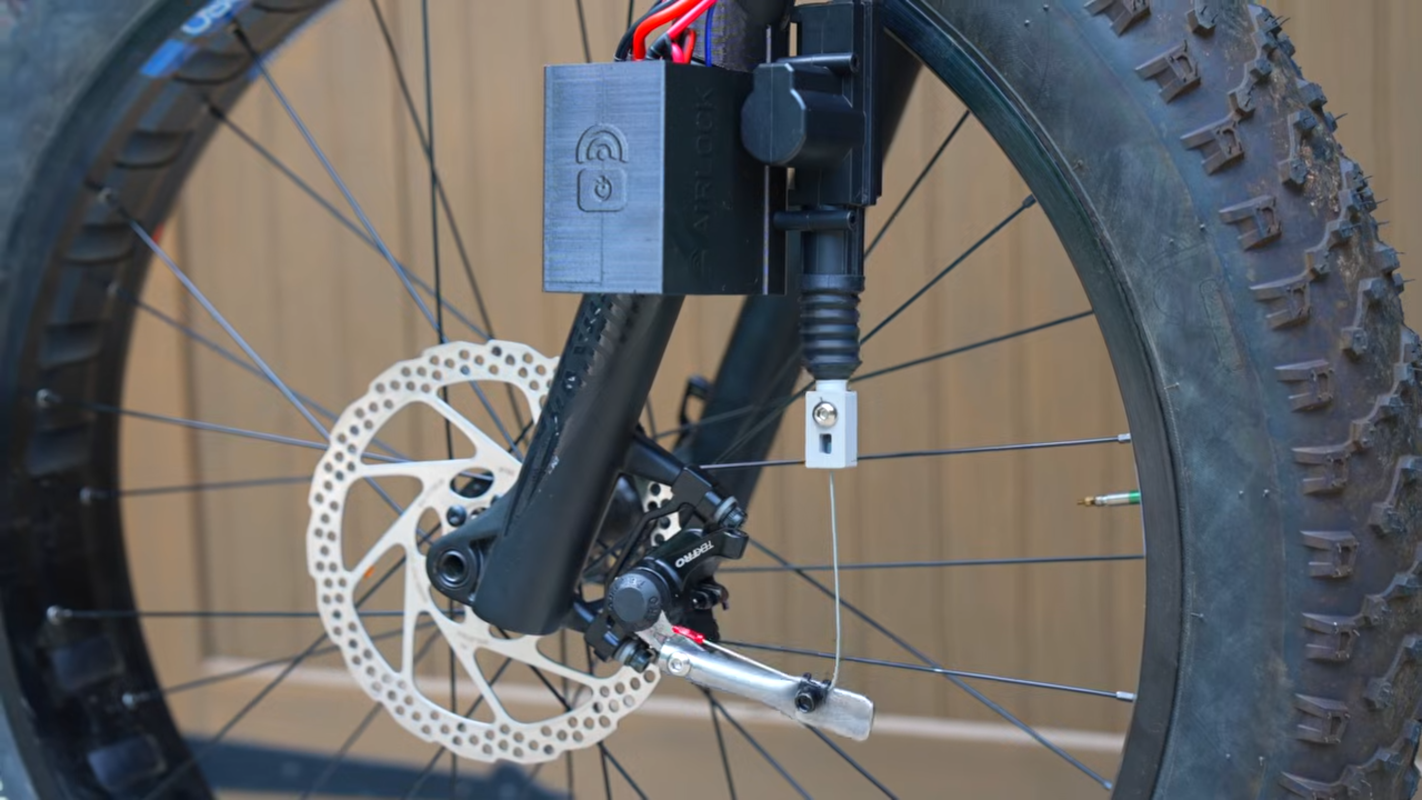
Wireless Fat Tire Brakes: ESP32‑Powered ABS and Remote Control Demo
Tested on a fat‑tire bike, the ESP32‑controlled wireless brakes add ABS, remote‑control, and a braking‑equalizer, showing the future of electronic mountain‑bike braking.
 Technology
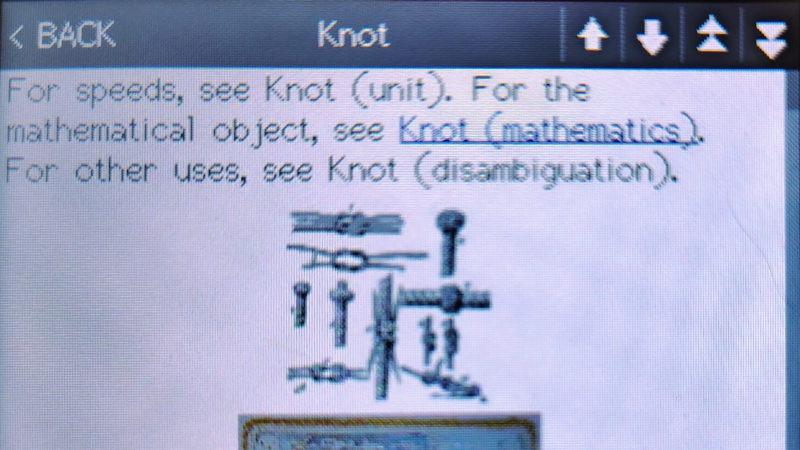
Wikipedia on a Cheap Yellow Display
A hobbyist has adapted the Cheap Yellow Display (CYD), a budget-friendly microcontroller board, to serve as an offline Wikipedia reader by running a customized...
 Technology
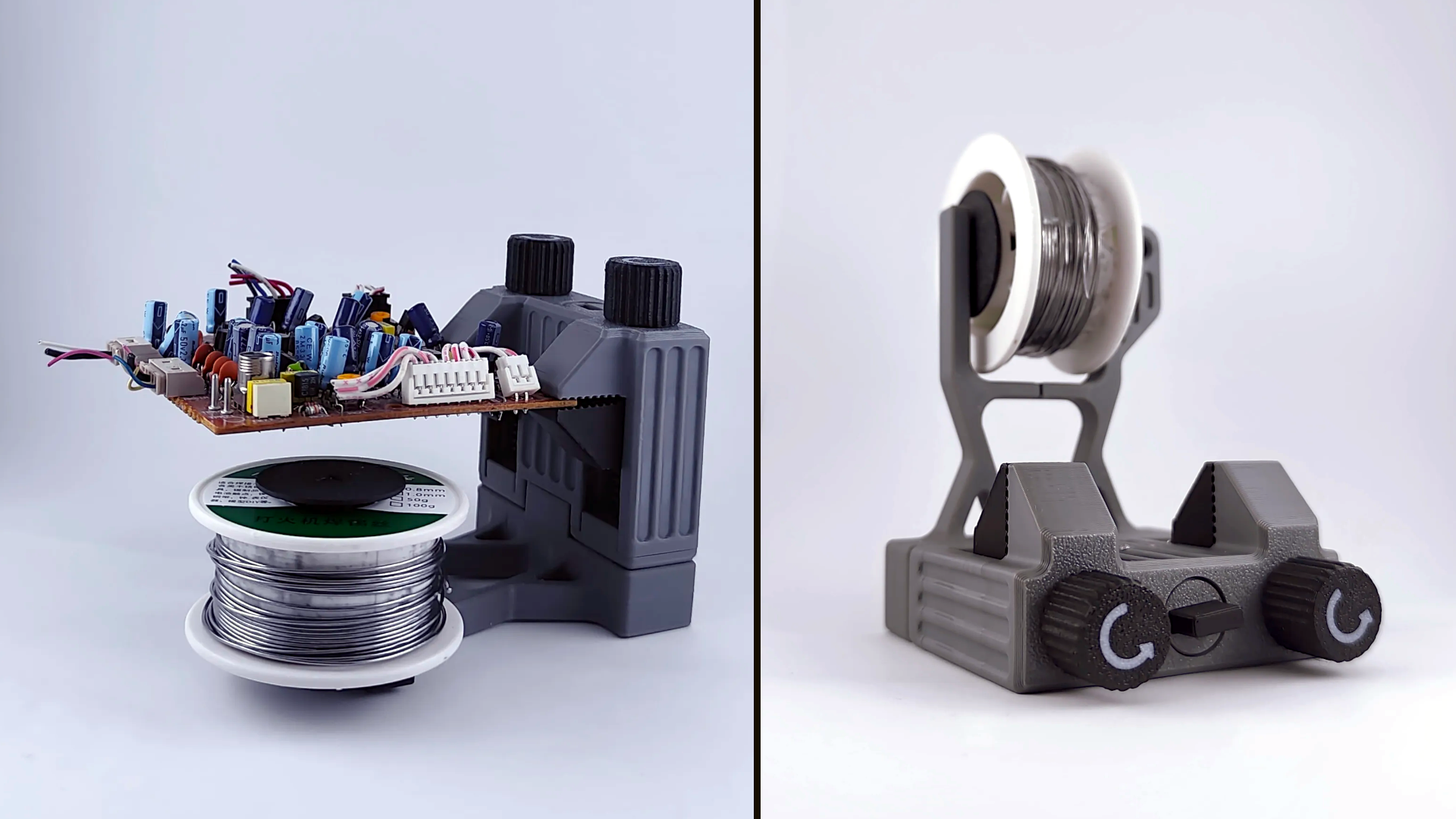
Compact PCB Vise Uses Up That Leftover Filament
A 3D-printed PCB vise created by a maker known online as Chefkoch offers enthusiasts a practical way to repurpose leftover filament spools while gaining a usefu...
 Technology
Apple Health App Revamp with AI Coach Set for September 2024 Release
Apple’s upcoming Health app overhaul, dubbed Project Mulberry, will add an AI health coach, blood‑sugar tracking and camera‑based workout guidance—likely launching in September 2024.
Most Read

Russian Drone Strike on Kiev Ammo Depot Kills 37, Sparks Evacuations

At least 37 dead and hundreds evacuated after strike on Kyiv warehouse
Ian Frazier and Samy Burch Discuss 'Coyote vs. Acme' in The New Yorker

Latin America Energy Storage Forecast Jumps to 34 GW by 2035: Wood Mackenzie