90 Americans Among Thousands Missing After Himalayan Glacier Collapse Kills 600
At least 2,000 people remain missing—including 90 Americans—after a catastrophic glacier collapse in Nepal triggered a deadly flash flood along the Nepal-Tibet border. Rescue and recovery efforts entered their fourth day Saturday as authorities confirmed the death toll has surpassed 600, with officials warning the number is expected to rise. The disaster, which unfolded after a massive ice and rock avalanche plunged from a Himalayan glacier into the Lende River, has overwhelmed emergency responders and left entire communities cut off.
The collapse occurred near the China-Nepab border at approximately 5,200 meters elevation, sending debris cascading down 1,200 meters before damming the river and forming a temporary lake. When the natural barrier burst, it unleashed a wall of water downstream, devastating the Trisuli 3A hydropower project in Rasuwa District. Rescue teams, including those supported by the Nepalese military, have been hampered by heavy monsoon rains, deep mud, and impassable terrain. Reports indicate more than 100 people may still be trapped inside a mud-filled tunnel at the hydropower site.
The flash flood has affected multiple districts in Nepal, including Tanahun, Nawalparasi East, and Dhading, where morgues are receiving bodies daily. Kuman Singh Gurung, chief district officer of Kaski, told Reuters that nine bodies arrived from Tanahun, 27 from Nawalparasi East, and 20 from Dhading on Saturday alone, signaling a rising death toll. The scale of destruction has drawn international attention, with U.S. Secretary of State Marco Rubio announcing $500,000 in humanitarian aid through Catholic Relief Services to support emergency shelter, sanitation, and relief supplies.
Many of the missing Americans were reportedly on a spiritual pilgrimage to Mount Kailash, a revered sacred site in Tibet for Hindus, Buddhists, and other faiths. The disaster has also impacted the China-Nepal border region, with state media reporting "major casualties" at a key checkpoint connecting Tibet. Satellite imagery from Soar Atlas shows the dramatic before-and-after impact of the glacier collapse, including the scar left on the valley as the ice and rock slid downward.
As search-and-rescue operations continue under difficult conditions, officials in Nepal have warned that the death toll is likely to climb further. The government has called for international assistance, with adverse weather and terrain severely limiting access to affected areas.
#NepalFlood #GlacierCollapse #MountKailash #HumanitarianAid #MarcoRubio #RasuwaDistrict #DisasterResponse #HimalayanCrisis
Comments (0)
No comments yet — be the first to weigh in.
Related Coverage
 Business
Have We Really Learnt The Lessons Of The GFC?
Two decades after the 2006 launch of the Constant Proportion Debt Obligation (CPDO), a financial product that promised AAA-rated returns while leveraging bets o...
 Business
Cheltenham Craft Shop Launches £5k Crowdfunder to Keep Doors Open
Three co‑owners of Cheltenham’s Kiwi Fruit is Cute crafting shop have launched a £5,000 crowdfunding campaign to cover doubled overheads following their recent move.
 Business
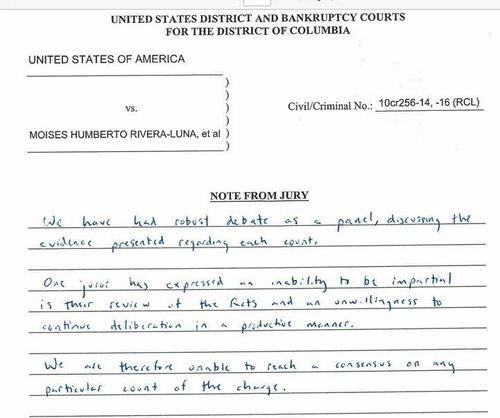
DC Jury Mistrials Over MS-13 Leaders Highlight Judicial Challenges
Two extradited MS‑13 leaders face repeated DC jury mistrials, raising questions about impartiality, judge Royce Lamberth’s rulings and the DOJ’s strategy.
 Business
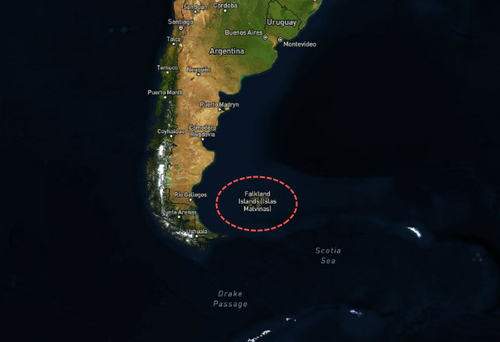
US Uses Falklands Leverage to Pressure UK Over NATO Defense Spending Target
Explore how the US is reportedly using the Falkland Islands as leverage to push Britain to meet NATO's new defense spending target of 5% of GDP by 2035. Analysis of Trump administration tactics and UK's current defense budget.
Most Read

Arunachal CM Unveils Vision 2036 for Youth Skill & Entrepreneurship Growth
KPop Demon Hunters Joins Criterion Collection: Why the Animated Hit Stands Out
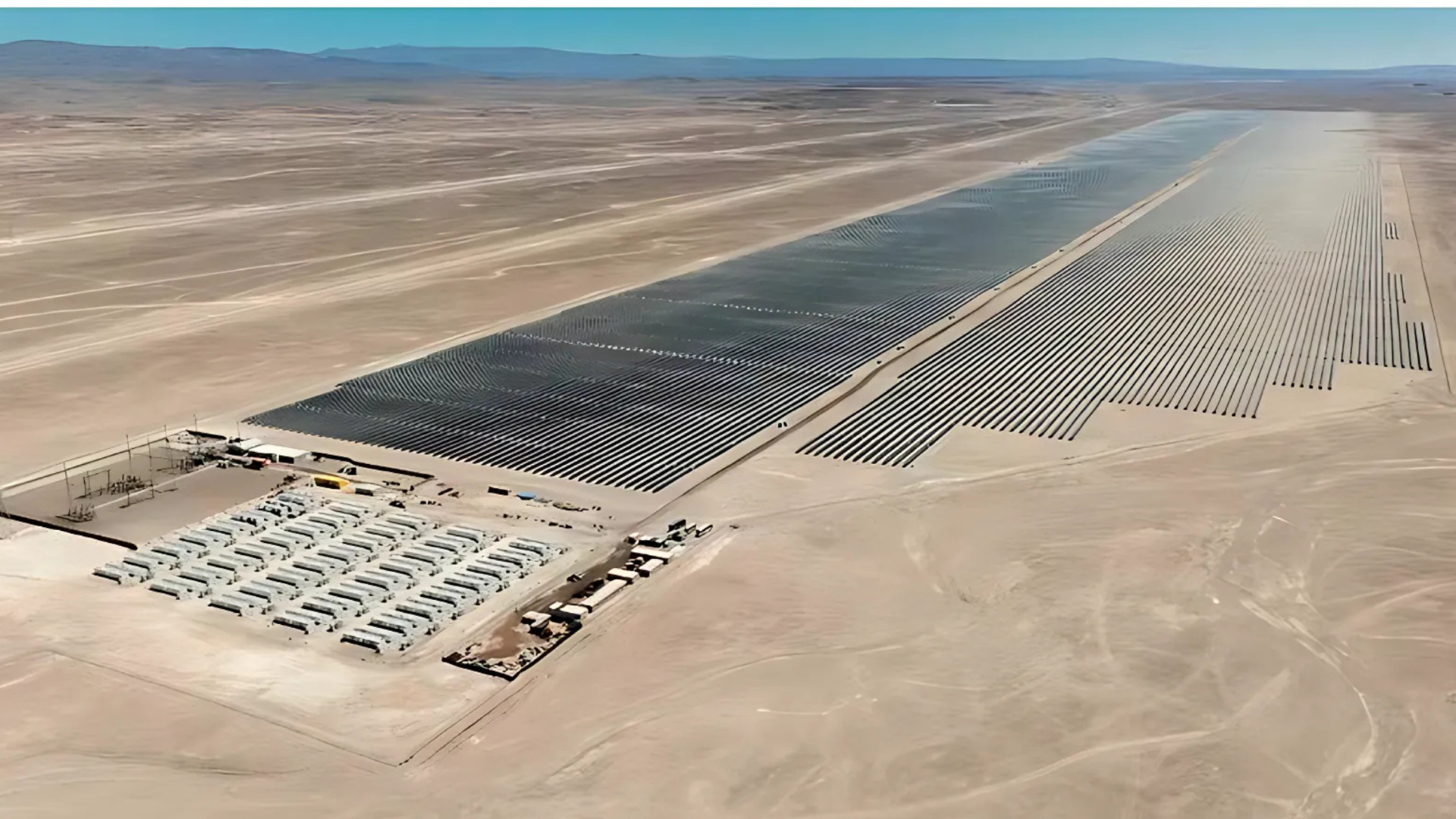
Global renewable energy investments hit $327.5B in H1 2026, solar-plus-storage surges
Supreme Court Allows Trump’s Mail-In Voting Restrictions to Proceed: What It Means for Midterms
