3D Printed Piano Action Faithful to the Original
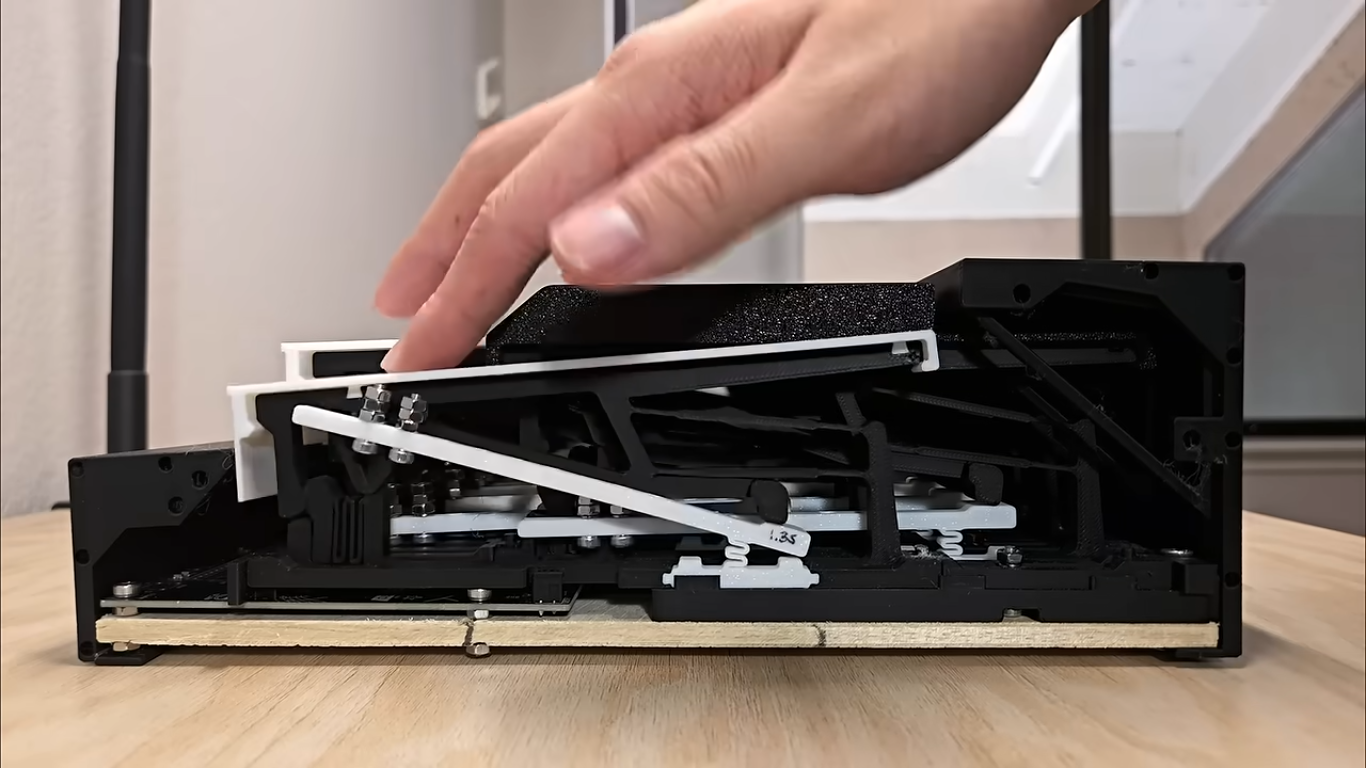
A team of engineers and musicians has developed a 3D-printed piano action that faithfully replicates the intricate mechanics of a traditional acoustic piano. Using compliant mechanisms—solid parts designed to flex in controlled ways—the project by dovetail demonstrates how additive manufacturing can recreate the complex interplay of levers, hammers, and dampers that define a piano’s sound and touch. The prototype, presented at the Open Sauce event, marks a significant step in bridging digital and analog piano technology.
The piano’s action mechanism is one of the most sophisticated in musical instruments, requiring precise coordination to control key velocity, hammer rebound, and string damping. Traditional piano actions evolved over centuries, but dovetail sought to reproduce this functionality in weeks using a 3D printer. The design relies on compliant mechanisms, where flexible joints and carefully engineered geometry replace traditional pivots and springs. After multiple iterations, the team achieved a mechanism that closely mimics the tactile feedback of a real piano key.
To accommodate a full musical range, dovetail developed a modular system in which each key’s action can be assembled independently and linked together. Electronics were also designed to be modular, with printed circuit boards (PCBs) daisy-chained to support multiple keys. This hybrid approach combines a mechanical piano action with digital sound generation, enabling the instrument to function as a MIDI controller. Infrared sensors detect key movements, translating physical keystrokes into digital signals for sound production.
During its debut at Open Sauce, the prototype was tested by several musicians, who provided feedback on its playability and feel. While still in development, the team plans to refine the design by upgrading from infrared sensors to Hall effect sensors for more accurate detection, improving the action mechanism for smoother performance, and experimenting with different 3D printing filaments to enhance durability and responsiveness. Additional improvements are also planned, with future updates expected to be shared in upcoming videos.
The project is not the first to explore 3D-printed musical mechanisms. A similar effort previously created a 3D-printed bass drum action, showcasing the versatility of additive manufacturing in instrument design. dovetail’s piano action expands on this concept, offering a new pathway for affordable, customizable piano mechanisms that could benefit musicians, educators, and hobbyists.
#3DPrinting #PianoMechanism #DigitalPiano #MIDIController #OpenSauce #CompliantMechanisms #MusicTech #DIYPiano
Comments (0)
No comments yet — be the first to weigh in.
Related Coverage
 Technology
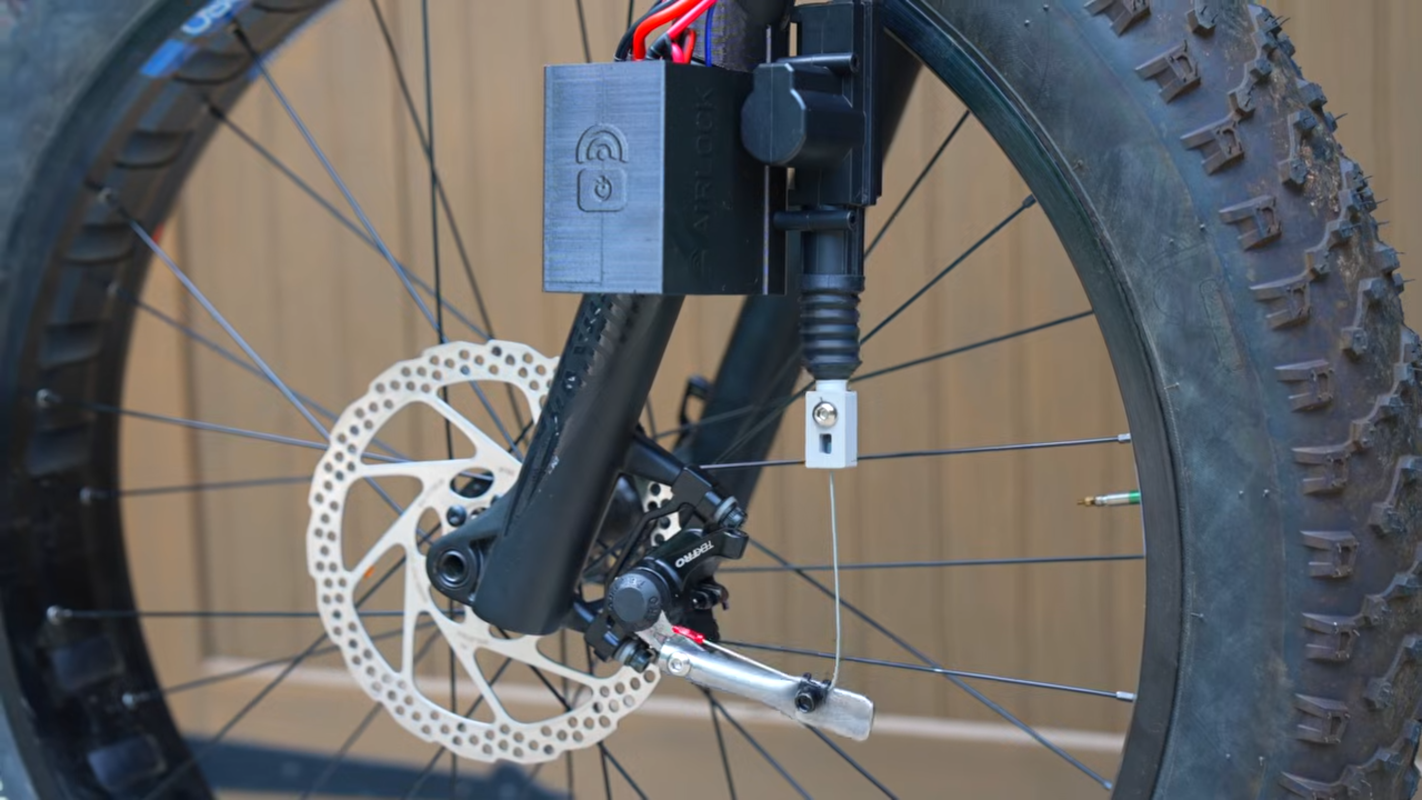
Wireless Fat Tire Brakes: ESP32‑Powered ABS and Remote Control Demo
Tested on a fat‑tire bike, the ESP32‑controlled wireless brakes add ABS, remote‑control, and a braking‑equalizer, showing the future of electronic mountain‑bike braking.
 Technology
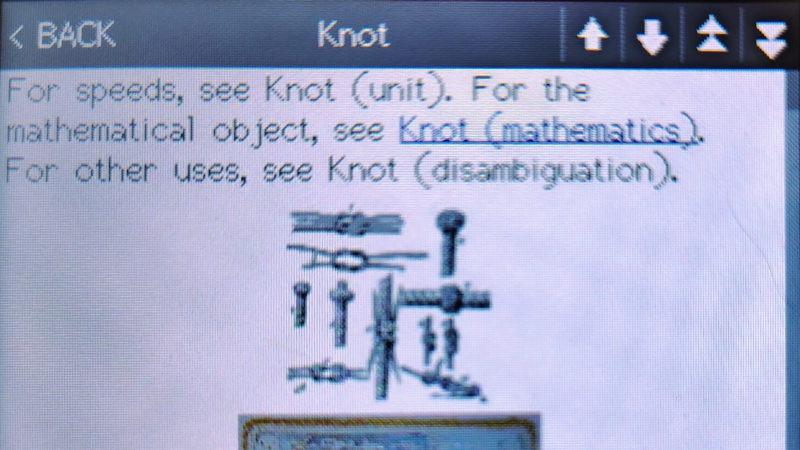
Wikipedia on a Cheap Yellow Display
A hobbyist has adapted the Cheap Yellow Display (CYD), a budget-friendly microcontroller board, to serve as an offline Wikipedia reader by running a customized...
 Technology
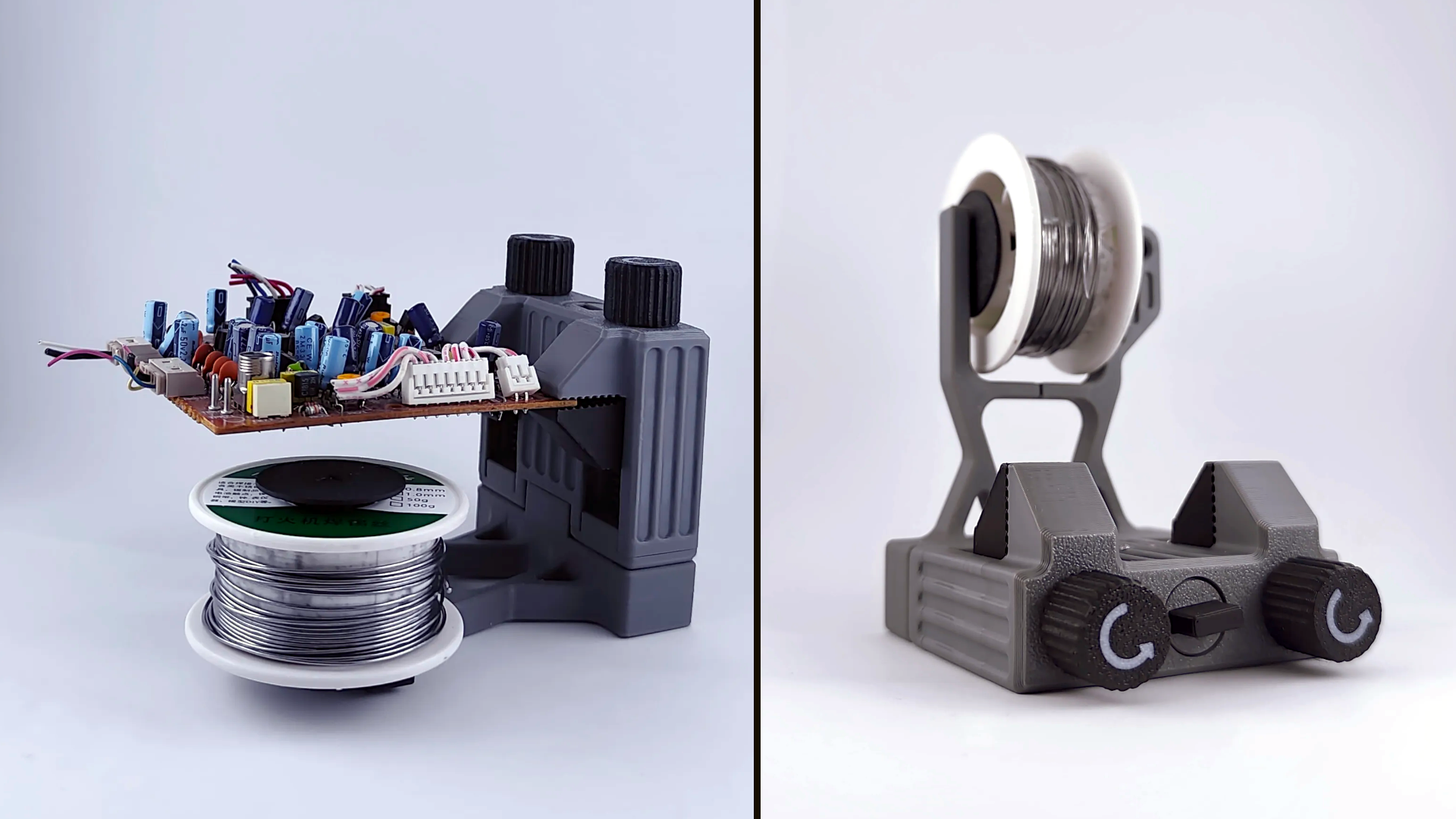
Compact PCB Vise Uses Up That Leftover Filament
A 3D-printed PCB vise created by a maker known online as Chefkoch offers enthusiasts a practical way to repurpose leftover filament spools while gaining a usefu...
 Technology
Apple Health App Revamp with AI Coach Set for September 2024 Release
Apple’s upcoming Health app overhaul, dubbed Project Mulberry, will add an AI health coach, blood‑sugar tracking and camera‑based workout guidance—likely launching in September 2024.
Most Read

Canada's Solar Energy Growth: Provinces Chart Diverse Paths to 2035 Goals

Autumn Hill Sentenced to 50 Years in Prison for Anti-ICE Protest: A Case of Political Persecution?

Hull City Secure 1-0 Away Win at Coventry, Maintain Perfect Premier League Start

DSM-6 to Integrate Biology in Mental Health Diagnosis for First Time