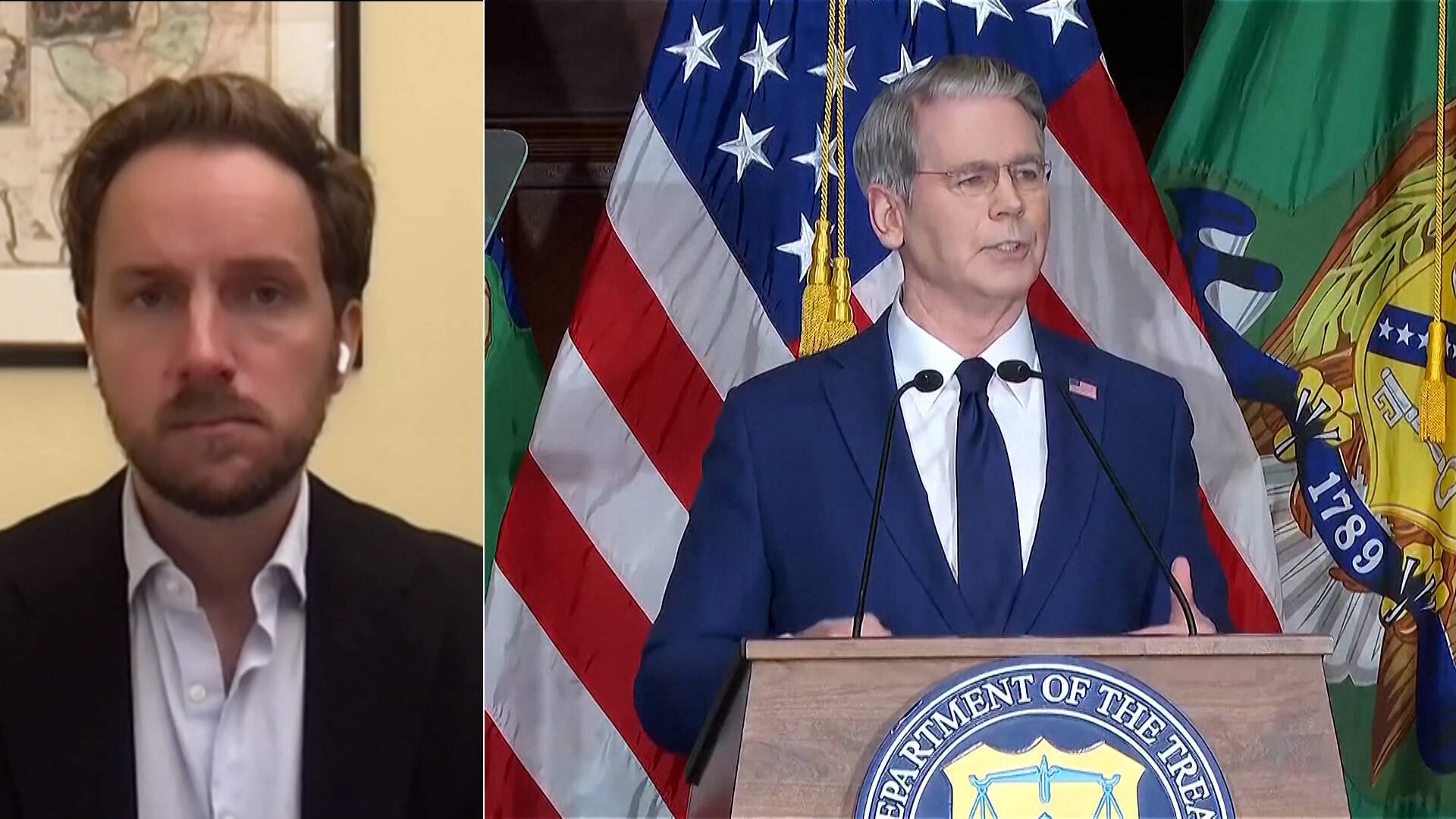
Zambia opposition leader questioned for treason as election dispute escalates
Zambia's main opposition leader Brian Mundubile detained over treason allegations amid disputed election results. Courts closed on final day to file challenge, raising legal concerns.

Zambia’s main opposition leader, Brian Mundubile, was taken into police custody on Thursday for questioning over alleged treason, according to the Zambia Police Service. The interrogation followed a police raid on Mundubile’s home on August 14, the day after the country’s presidential election, and the subsequent closure of the entire judiciary on Monday, the last day for filing a court challenge to the election results.
Mundubile, who finished second in the election with about 38 percent of the vote, and his running mate, Makebi Zulu, were reportedly surrendered to police in Lusaka on August 27. They had spent the previous two weeks at an international human‑rights organisation seeking protection after the raid. Police said the pair were interviewed by officers alongside their lawyers, but did not disclose the specific allegations. The police said “warn and caution” statements were recorded, a procedural step that often precedes formal charges. Treason in Zambia carries severe penalties, and the case is being treated as a serious offence.
The police investigation follows a violent crackdown that began two weeks ago. During the raid, 11 people were arrested at Mundubile’s home and former cabinet minister Mutotwe Kafwaya was shot and killed. Police alleged that the group was involved in insurrection or militia activity, a claim that Mundubile has denied. The incident has intensified concerns about the use of force by security forces in the post‑election period.
President Hakainde Hichilema won the election with 60 percent of the vote and is due to be sworn in for a second term on Tuesday. The opposition, led by the United Democratic Alliance, disputed the result and planned to challenge it in court. Under Article 103 of Zambia’s Constitution, an election petition must be filed within seven days of the winner’s declaration. Filing the petition automatically pauses the swearing‑in ceremony under Article 104. However, the country’s entire judiciary was closed on Monday, citing “security reasons,” effectively preventing any objection from being filed before the deadline. The closure of courts has been criticized by legal and human‑rights groups as a violation of due process.
The Constitutional Court, on Tuesday, announced that it had not received any petition challenging the election outcome, clearing the way for Hichilema’s inauguration. Chief Justice Mumba Malila, however, said he had received a petition from a private individual via his personal email address. He described the submission as “highly irregular” but said it had been forwarded to the Constitutional Court for consideration. The court’s decision to proceed with the swearing‑in ceremony was seen by opposition leaders as a pre‑emptive move to avoid a potential delay.
Human Rights Watch (HRW) described the abrupt court closure as “a blow to the administration of law, transparency, and due process in Zambia.” Other rights groups and election observers have echoed concerns that the post‑election dispute has damaged Zambia’s democratic reputation. Since the return to multi‑party politics in 1991, every change of president has been achieved through elections, and the current developments raise questions about the integrity of that process.
Hichilema entered the race as the clear favourite after steering Zambia, Africa’s second‑largest copper producer, through a major economic turnaround and debt restructuring. Yet opposition parties and civil‑society organisations have expressed worries about increasing repression under his government. The police questioning of Mundubile and the closure of the judiciary come amid a broader climate of political tension, with the opposition arguing that the government is undermining democratic institutions. The outcome of the treason investigation remains unclear, but it is expected to play a significant role in the political narrative as Zambia prepares for its presidential inauguration.
Comments (0)
No comments yet — be the first to weigh in.
Related Coverage
 World
World
Slow start makes me want to stay - Norris extends McLaren deal to 2030
Lando Norris has signed a contract extension with McLaren, committing to the team through at least the end of the 2030 Formula 1 season. The 26-year-old British...
 World
World
Wales NHS gender surgeries paused for review into referral numbers
The Welsh Gender Service, based at St David’s Hospital in Cardiff, has temporarily suspended all new and scheduled referrals for gender-affirming surgeries as h...
 World
World
At least 37 dead and hundreds evacuated after strike on Kyiv warehouse
At least 37 people have been killed and nearly 400 evacuated after a Russian drone strike triggered explosions at a warehouse in the Kyiv region late Friday, Uk...
 World
World
Sarah Ferguson Expected to Return to UK Soon, Source Says
Former Duchess of York Sarah Ferguson, who lost her royal titles amid the Epstein scandal, is expected to return to the UK soon, a source told the BBC.
Most Read
Tottenham Hotspur sign Omar Marmoush on loan from Man City with permanent deal option

Nepal Flash Floods Death Toll Rises to 626, Over 2,400 Missing
Nicole Rifkin’s New Yorker Cover Honors Dolly Parton’s Legacy
Machine Learning Boosts Irradiance Prediction for Bifacial Solar Panels