X Busts Suspected Chinese Bot Farm That Could 'Manipulate Legitimate Debate' Over America's AI Boom
X, the social media platform formerly known as Twitter, announced Thursday it had dismantled a suspected Chinese bot farm consisting of approximately 200,000 accounts. Within this network, 200 accounts were found to be posting content designed to manipulate public debate about U.S. AI and energy policy. The accounts primarily focused on concerns about rising electricity costs and grid strain attributed to AI data centers, while also sharing AI-generated political cartoons depicting data center operators profiting at public expense.
The investigation by X’s Global Government Affairs team revealed that these posts frequently cited legitimate economic concerns. For example, they highlighted a 76% year-over-year increase in wholesale power costs in the PJM Interconnection region, which serves 67 million people across 13 states. PJM’s independent market monitor, Monitoring Analytics, reported that data centers accounted for 46% of capacity charges in recent auctions, totaling $29.4 billion over the past four years.
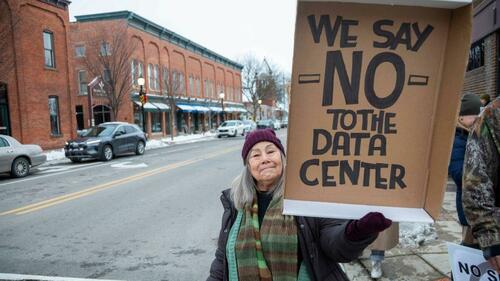
Public opposition to AI data centers appears widespread. A Gallup poll from May found 71% of Americans oppose building such facilities in their local areas, including 48% who are strongly opposed. This sentiment crosses party lines, with 63% of Republicans strongly or somewhat opposed and a July Fox News poll showing 60% of Republicans and 53% of “MAGA Republicans” opposed to nearby data centers.
The timing of X’s announcement coincides with broader scrutiny of foreign influence operations targeting U.S. AI policy. Garry Tan, founder of Y Combinator and the civic group Garry’s List, cited a Bitcoin Policy Institute report in July that detailed a coordinated campaign involving Chinese state media, a Shanghai-based nonprofit network, and foreign funding exceeding $2 billion directed toward U.S. advocacy groups. Tan and others have suggested that opposition to AI infrastructure may be fueled in part by these efforts.
At the center of this network is Neville Roy Singham, a China-based businessman reportedly linked to Marxist organizations funneling hundreds of millions of dollars into left-wing nonprofits, media outlets, and activist campaigns. U.S. Attorney Jay Clayton in the Southern District of New York, with approval from Acting Attorney General Todd Blanche, has launched a federal investigation into potential financial crimes tied to Singham’s organizations and associates.
Critics argue these groups have played a role in delaying or blocking AI infrastructure projects. Garry’s List reported that the Party for Socialism and Liberation, which has ties to Singham’s network, has led campaigns in 14 states that have deferred or canceled $23.6 billion in AI investments. Meanwhile, federal and state officials continue to assess the scope of foreign influence on domestic policy debates.
The development underscores ongoing concerns about foreign interference in U.S. technological and energy sectors, as well as the challenge of distinguishing genuine public concern from coordinated disinformation.
#AIDataCenters #ForeignInterference #SocialMediaSecurity #EnergyPolicy #XPlatform #ChinaInfluence #TechInfrastructure #PolicyDebate
Comments (0)
No comments yet — be the first to weigh in.
Related Coverage
US Public Skeptical Despite AI Hype: Survey Reveals Mixed Emotions
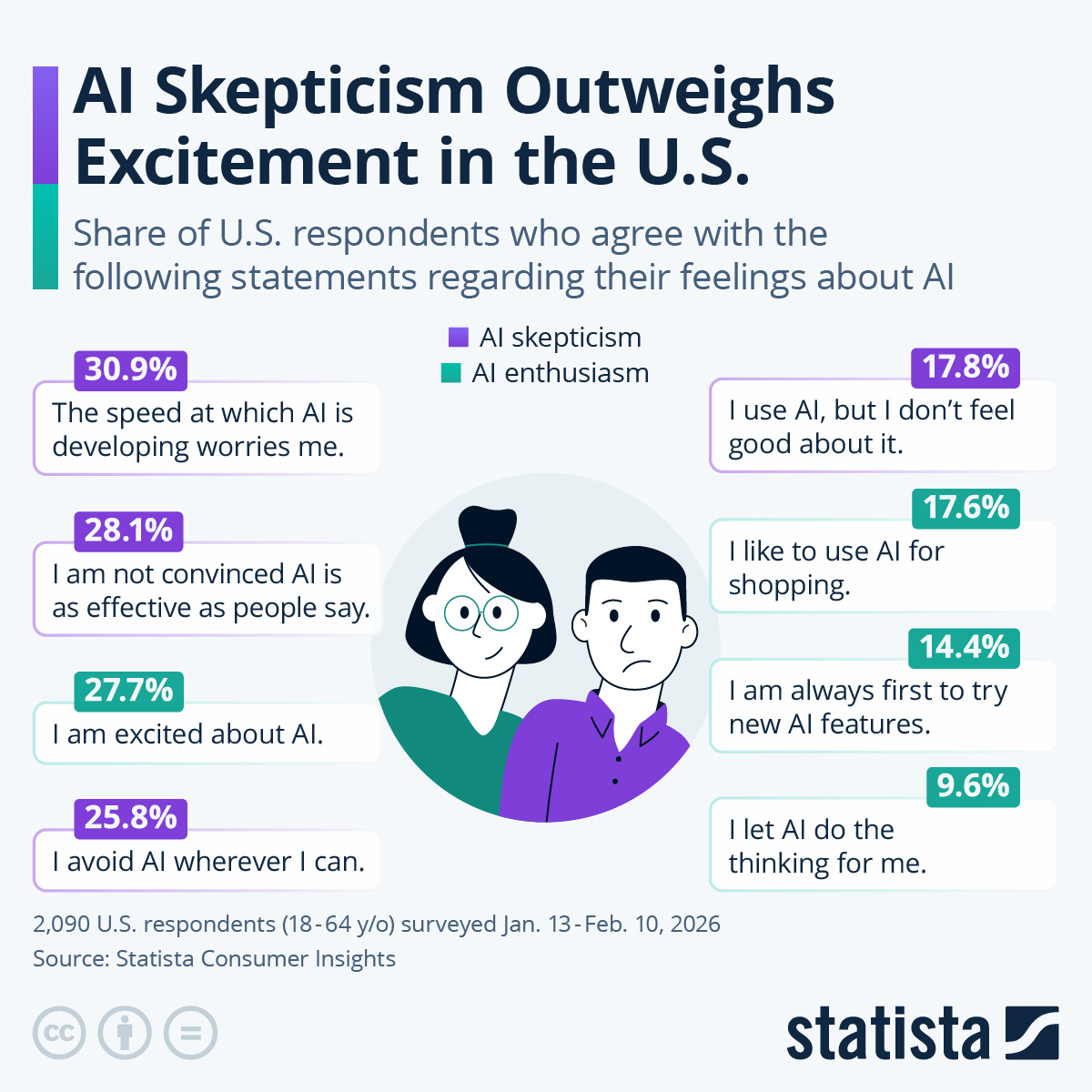
New survey data shows many Americans worry about AI's rapid development, with 31% expressing concerns while just 28% feel excited about its future.

Global Asset Managers 'Chexit' China as Retail Funds Struggle to Scale
Major global asset managers like Fidelity and Schroders are exiting China retail funds due to weak demand, fierce competition, and regulatory hurdles. Discover the key challenges behind the 'Chexit' trend.

Americans Revolt Against Flock License Plate Readers Over Privacy Fears
Grassroots opposition grows against Flock Safety's nationwide license plate reader network, with over 50 jurisdictions cutting ties amid privacy and misuse concerns.

Legal Liability for Rogue AI Agents: Who Is Responsible When AI Goes Wrong?
Explore legal accountability when autonomous AI agents cause harm or financial damage. Learn who bears liability under current laws and potential risks for users and developers.
Trending Now
Barbara Ehrenreich’s 'Nickel and Dimed' at 25: Why 'Unskilled Work' Doesn’t Exist