Why the US-Canada trade war could change how American farmers grow their crops for years
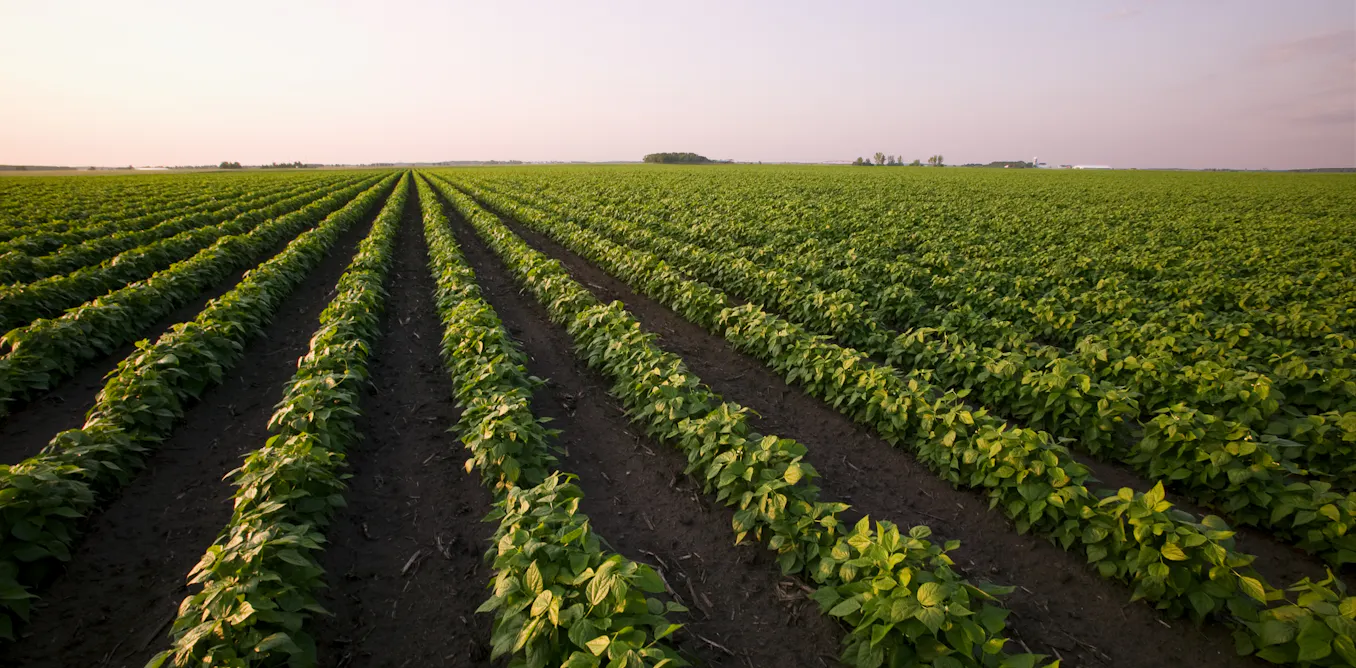
The escalating trade war between the United States and Canada is poised to have long-term repercussions for American farmers, particularly in their crop production strategies. Tensions flared in mid-August 2026 when U.S. President Donald Trump imposed a 50% tariff on approximately $20 billion (CAD$27 billion) worth of Canadian imports. In retaliation, Canada announced plans to impose 15% to 50% tariffs on U.S. goods of equal value, effective September 8, 2026. The dispute, which follows decades of close trade ties between the two nations, has raised concerns about its impact on agricultural sectors in both countries.
The Canadian tariffs target dairy products and agricultural equipment, among other goods. However, the broader agricultural industry, including U.S. farmers, may face indirect consequences. One critical concern is the potential restriction of potash, a key fertilizer ingredient primarily sourced from Canada’s Elk Point Basin in Saskatchewan. The U.S. relies on imports for over 80% of its potash, and disruptions could significantly affect crop yields. While potash was not initially included in the U.S. tariffs, any retaliatory measures by Canada could lead to higher fertilizer costs for American growers.
Fertilizer prices were already elevated due to supply disruptions caused by the war in Iran, which affected nitrogen fertilizer shipments. A survey by the American Farm Bureau in April 2026 found that 70% of farmers could not afford sufficient fertilizer during spring planting. This economic strain has forced farmers to make difficult decisions about nutrient application. Phosphorus and potassium reserves can temporarily offset higher costs, but restoring these reserves is a slow process, requiring years of careful management.
Trade policy uncertainty is another factor influencing farmers’ decisions. Research indicates that unpredictable trade policies can lead to delayed purchases and reduced fertilizer application, even before tariffs take effect. This hesitation may result in lower yields in subsequent growing seasons, ultimately impacting food prices for consumers.
The interconnected nature of North American agricultural trade means that disruptions in one country can reverberate across the supply chain. Both the U.S. and Canada are major importers and exporters of agricultural products, including live cattle, processed foods, and farm equipment. Tariffs targeting these goods could drive up costs, affecting farmers on both sides of the border.
While the immediate effects of the tariffs may not be fully visible, the long-term impact on agriculture could be substantial. Farmers may need to adjust their crop management strategies, potentially leading to smaller harvests and higher food prices in the future. The outcome of this trade dispute remains uncertain, but its effects on the agricultural sector are likely to be felt for years to come.
#TradeWar #Agriculture #USCanada #Farmers #Fertilizer #Potash #CropYields #FoodPrices
Comments (0)
No comments yet — be the first to weigh in.
Related Coverage
 Science
DSM-6 to Integrate Biology in Mental Health Diagnosis for First Time
The DSM-6 will incorporate biological factors for the first time, marking a shift towards evidence-based psychiatry. Explore the challenges and advancements in neurobiology shaping the next edition.
 Science
Islanders asked to report sightings of rare eel
Islanders Urged to Report Sightings of Critically Endangered European Eel in Guernsey Guernsey’s Nature Commission is appealing to residents to report sightings...
 Science
The importance of teaching students what AI can’t do
The growing role of artificial intelligence in education raises concerns about over-reliance on AI tools and the potential erosion of critical thinking skills a...
 Science
More protein in your breakfast or snacks won’t give you more muscle without more work – a biologist separates the science from the marketing
The modern breakfast aisle looks dramatically different than it did a generation ago, with protein-enriched cereal, bread, chips, and even Pop-Tarts now crowdin...
Most Read

Three-storey building collapses at Swaminarayan temple in Prayagraj, no casualties
Kai Bird Explores Roy Cohn's Influence on Donald Trump's America
Canada's Solar Energy Growth: Provinces Chart Diverse Paths to 2035 Goals

Autumn Hill Sentenced to 50 Years in Prison for Anti-ICE Protest: A Case of Political Persecution?
