What Parents Need to Know About Sexual Abuse in Youth Sports

**Parents Face Gaps in Protection Against Sexual Abuse in Youth Sports**
A federal system designed to protect young athletes from sexual abuse remains unevenly enforced, leaving millions of children vulnerable despite reforms enacted in recent years. Investigations by ProPublica and other outlets reveal persistent weaknesses in oversight, training, and accountability within youth sports organizations.
At the center of the system is the U.S. Center for SafeSport, established by Congress in 2018 following high-profile abuse scandals, including the case of Larry Nassar, the former USA Gymnastics team doctor convicted of sexually abusing young athletes. SafeSport is responsible for investigating allegations of sexual, emotional, and physical abuse across all levels of sport, from elite competitors to recreational leagues.
The organization maintains a public database of suspended and banned coaches, known as the SafeSport Centralized Disciplinary Database. When allegations are substantiated, SafeSport can issue sanctions ranging from temporary suspensions to lifetime bans. Coaches found to have violated policies are declared "permanently ineligible" and prohibited from working with organizations under the jurisdiction of the U.S. Olympic and Paralympic Committee (USOPC).
However, SafeSport’s authority is limited to the 50 national governing bodies (NGBs) recognized by the USOPC, which oversee sports such as swimming, soccer, and volleyball. While this covers millions of athletes, millions more participate in leagues outside this system, where banned coaches may still work. Even within NGB-affiliated organizations, enforcement of SafeSport’s bans has been inconsistent, with some clubs failing to verify coaches’ status or allowing banned individuals to remain involved.
SafeSport also mandates abuse prevention training for coaches and adult staff, focusing on recognizing and reporting misconduct. The training includes guidelines on appropriate interactions with minors, such as prohibiting one-on-one contact between adults and children. While athletes over 18 are required to complete the training, it remains optional for younger athletes and parents. Advocates say broader participation could help families identify warning signs of grooming and abuse.
Despite these measures, SafeSport has faced criticism for delays in resolving cases and for closing investigations without thorough reviews. The organization has acknowledged past shortcomings, with CEO Benita Fitzgerald Mosley stating that improvements have been made to reduce backlogs and streamline processes. In a recent statement, Mosley described the center as being on "surer footing" after addressing early operational challenges.
Parents seeking to protect their children can take several steps. First, they should confirm whether their child’s team or league operates under an NGB, which is legally bound by SafeSport’s policies. Even then, parents are advised to verify that the organization actively checks the SafeSport database and enforces bans. Experts also recommend that families complete available training, which may help them recognize concerning behavior.
The system’s limitations have left some parents frustrated. In one case documented by ProPublica, a volleyball coach accused of sexual misconduct had allegedly groomed a teenage athlete. The girl’s mother later said that had she and her daughter completed SafeSport’s training earlier, they might have recognized red flags sooner, such as inappropriate comments or unsolicited messages.
SafeSport encourages anyone with knowledge of misconduct to file a report, regardless of whether the alleged abuser is affiliated with an NGB. Reports can be submitted online or by phone. While the organization does not investigate every case, it has the authority to issue interim suspensions for serious or recent allegations.
For parents, navigating these issues can be difficult, but advocates stress the importance of staying informed. Additional resources, including reporting guidelines and training materials, are available on SafeSport’s website. Those with information about potential gaps in the system are encouraged to share their experiences with journalists covering the issue.
Comments (0)
No comments yet — be the first to weigh in.
Related Coverage
 Politics
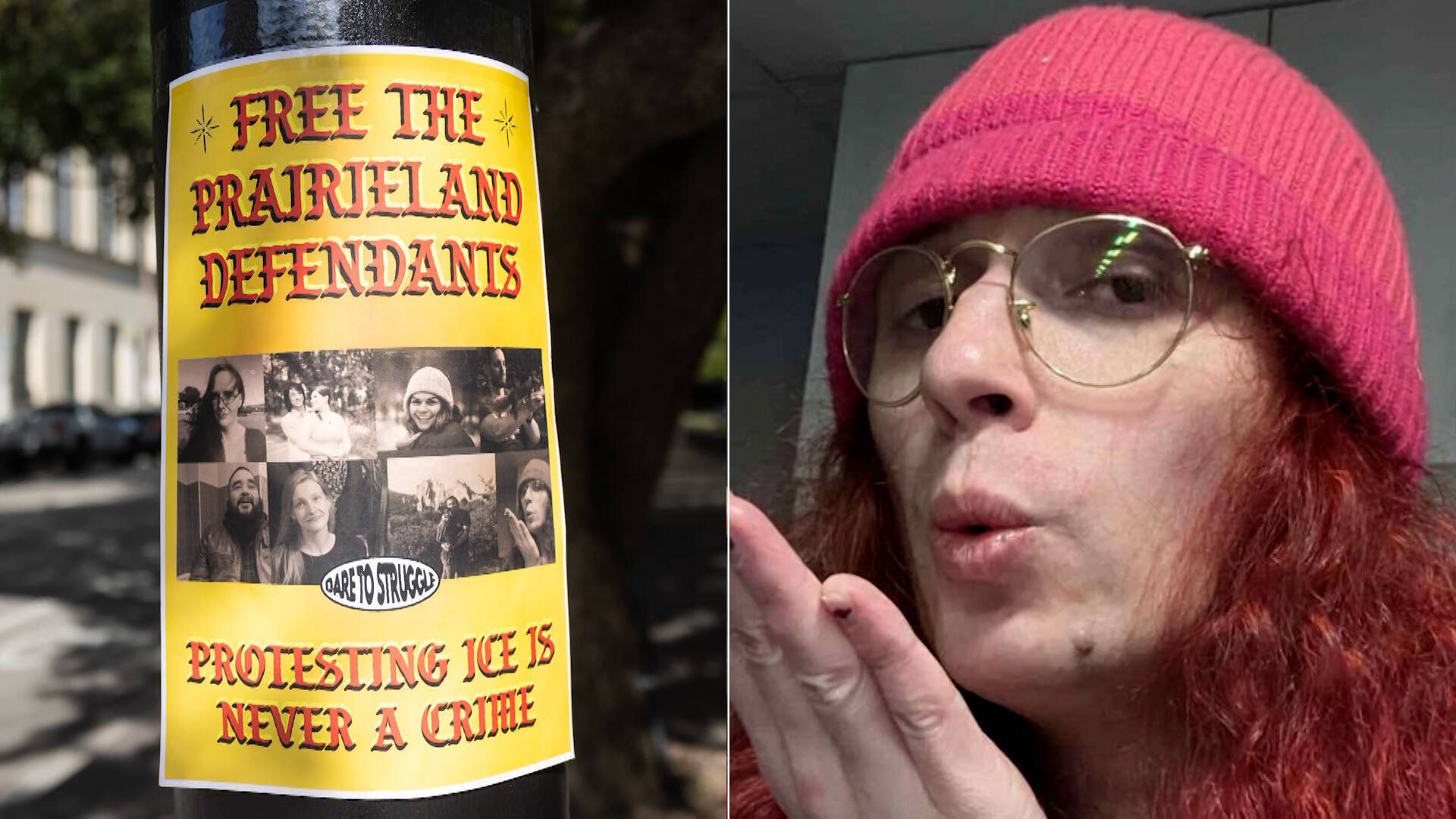
Autumn Hill Sentenced to 50 Years in Prison for Anti-ICE Protest: A Case of Political Persecution?
Activist Autumn Hill received a 50-year prison sentence for protesting outside a Texas ICE facility. Critics call her conviction a politically motivated use of terrorism charges against anti-fascist demonstrators.
 Politics
Headlines for August 26, 2026
Iran has resumed talks with Oman about managing the Strait of Hormuz while tensions in the region remain high, despite economic pressure from the United States....
 Politics
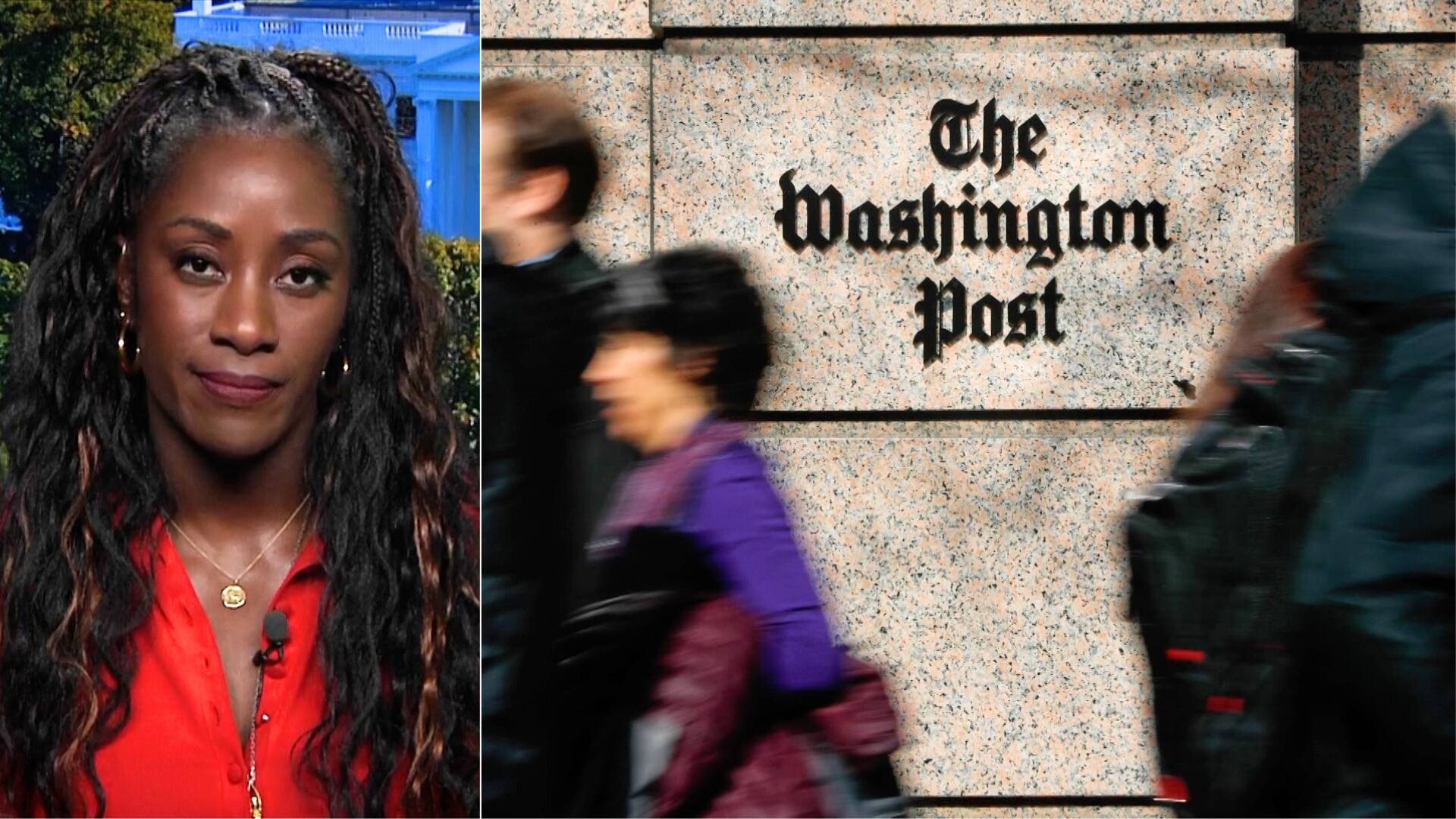
Karen Attiah Wins Reinstatement at Washington Post After Arbitration Victory
Award-winning Washington Post columnist Karen Attiah has been reinstated with back pay after an arbitrator ruled in her favor following her controversial firing over social media posts about Charlie Kirk.
 Politics
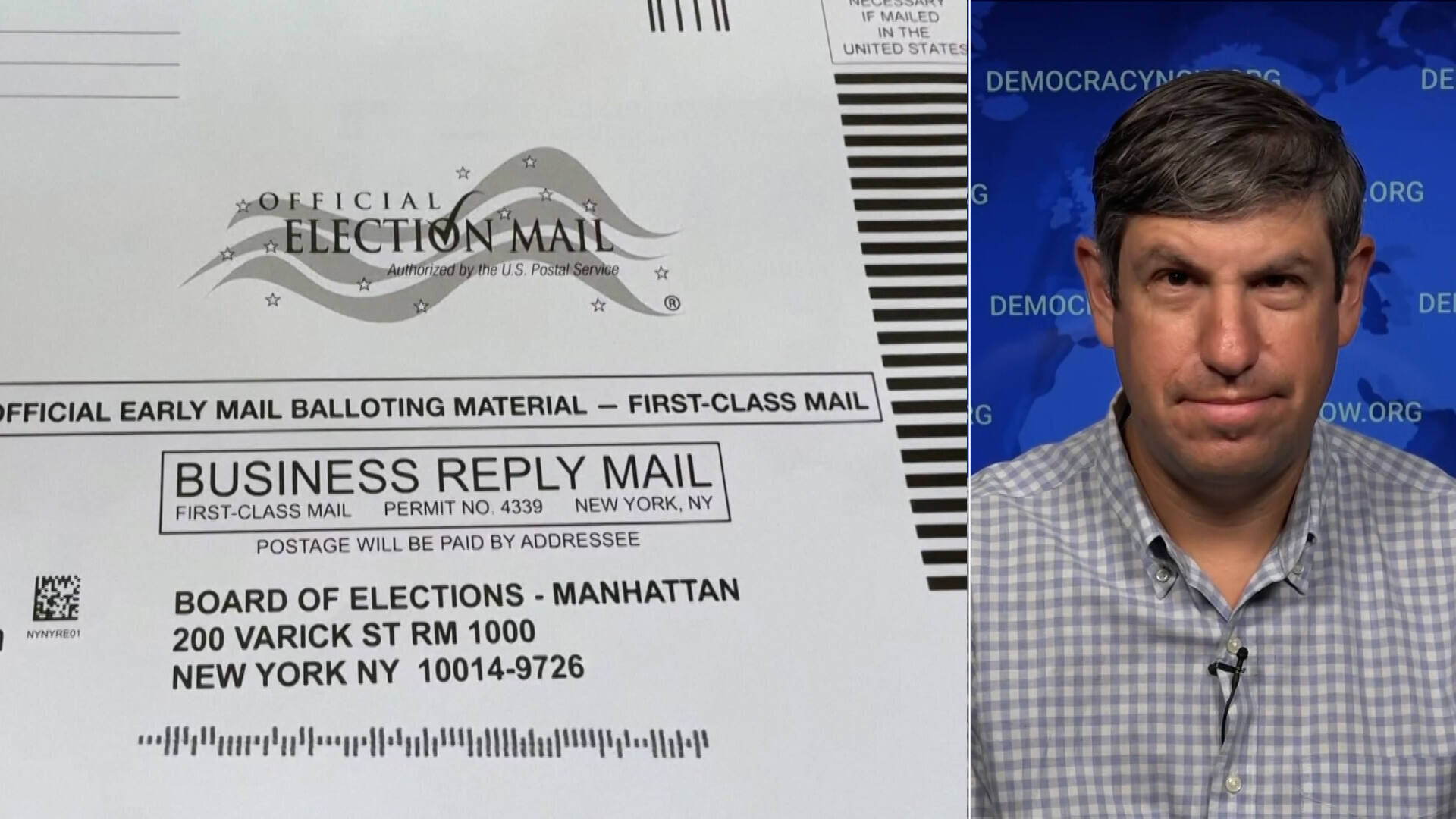
Supreme Court Allows Trump’s Mail-In Voting Restrictions to Proceed: What It Means for Midterms
The Supreme Court’s 6-3 decision lifts an injunction on Trump’s executive order restricting mail-in voting, raising concerns over potential voter disenfranchisement ahead of the midterm elections.
Most Read

Three-storey building collapses at Swaminarayan temple in Prayagraj, no casualties
Kai Bird Explores Roy Cohn's Influence on Donald Trump's America
Canada's Solar Energy Growth: Provinces Chart Diverse Paths to 2035 Goals
Autumn Hill Sentenced to 50 Years in Prison for Anti-ICE Protest: A Case of Political Persecution?
