We Are Not Prepared for Election-Denying Swing State Governors
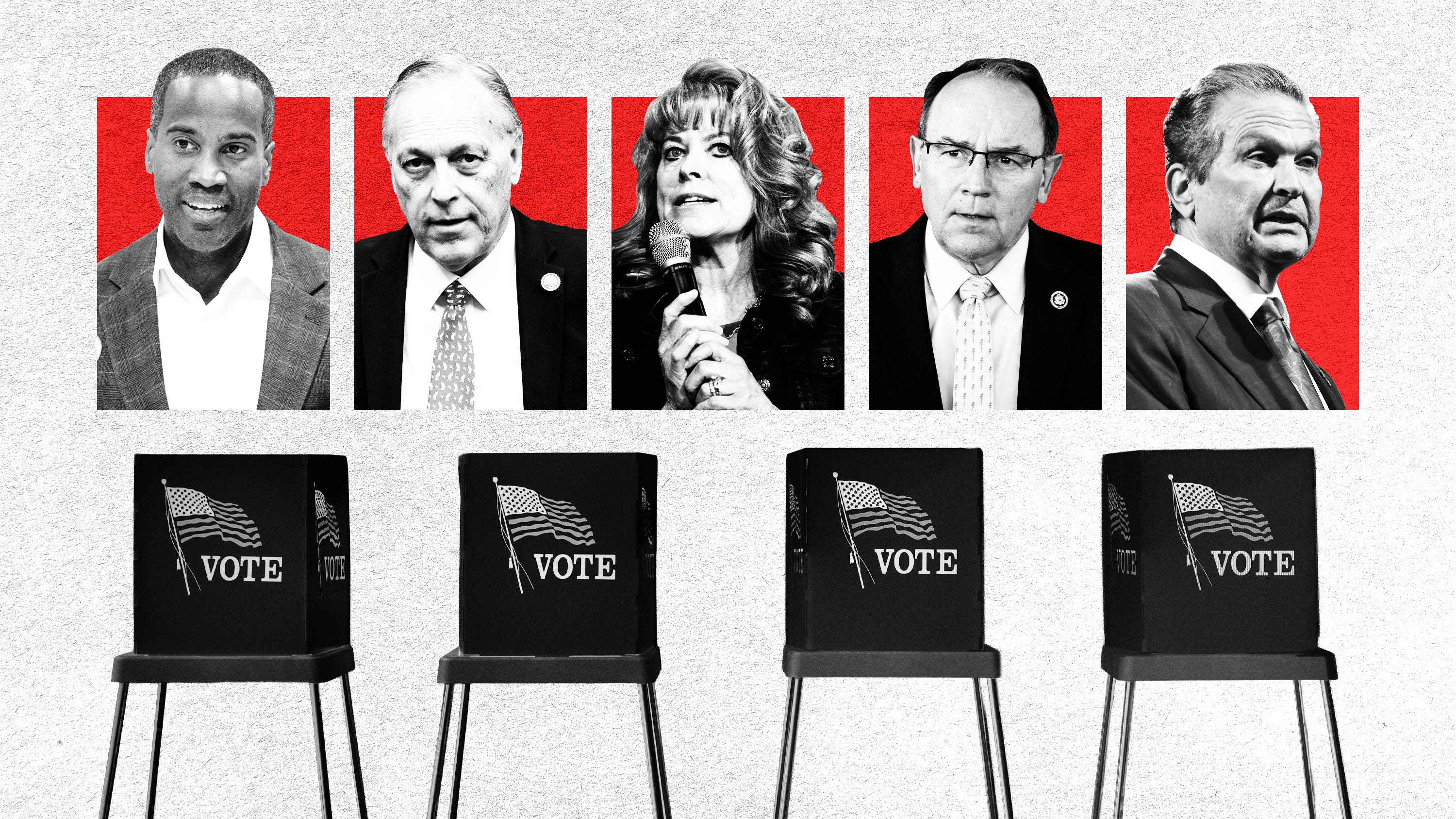
Top election officials in key battleground states warn that Republican gubernatorial candidates who deny or undermine the results of the 2020 presidential election could pose serious threats to electoral integrity when voters return to the polls in 2024 and beyond. Several of these candidates are now leading or competitive in races for state houses that oversee, certify, and administer elections in swing states like Pennsylvania, Arizona, and Michigan.
In Pennsylvania, Republican state Treasurer Stacy Garrity once trailed Democratic Governor Josh Shapiro by double digits in public polling. Her surge in the polls came after a direct appeal to former President Donald Trump. Garrity secured Trump’s endorsement following a single phone call, raising concerns about her commitment to nonpartisan election administration. Recent surveys show Shapiro maintaining a consistent lead, but the race remains a focal point for national observers monitoring the intersection of state governance and election oversight.
Arizona’s gubernatorial contest also features a candidate who played a role in efforts to overturn the 2020 election results. Kari Lake, the Republican nominee and a former news anchor, has repeatedly echoed Trump’s false claims of widespread voter fraud. Lake’s campaign has centered on election denialism, positioning her as a potential overseer of future elections in a state that was central to the 2020 outcome. If elected, she would hold significant authority over election certification processes in Arizona, where state officials have already faced intense scrutiny and legal challenges in recent years.
Michigan presents another high-stakes scenario. Republican gubernatorial candidate Tudor Dixon has questioned the legitimacy of the 2020 election and supported legislative attempts to restrict voting access. Her opponent, incumbent Governor Gretchen Whitmer, has emphasized election security and bipartisan cooperation. The race highlights broader debates over election administration in a state where certification procedures became a flashpoint in 2020.
Experts and voting rights advocates argue that gubernatorial control over election machinery in swing states could create conflicts of interest, particularly if candidates continue to promote baseless claims of fraud. The U.S. Constitution grants state legislatures and governors substantial authority over election procedures, including the certification of results. This structure means that future elections could be influenced by officials who reject established electoral outcomes.
Critics point out that the presence of election deniers atop state executive branches introduces risks to public trust in democratic processes. They warn that if these candidates win, their actions could erode confidence in election infrastructure, even in the absence of credible evidence of wrongdoing.
With less than a year until the 2024 general election, the outcomes in Pennsylvania, Arizona, and Michigan will be closely watched not only for their immediate political consequences but for their long-term implications for election administration nationwide.
#Election2024 #Pennsylvania #Arizona #Michigan #GubernatorialRace #ElectionIntegrity #Democracy #2020Election
Comments (0)
No comments yet — be the first to weigh in.
Related Coverage
 Politics
Autumn Hill Sentenced to 50 Years in Prison for Anti-ICE Protest: A Case of Political Persecution?
Activist Autumn Hill received a 50-year prison sentence for protesting outside a Texas ICE facility. Critics call her conviction a politically motivated use of terrorism charges against anti-fascist demonstrators.
 Politics
Headlines for August 26, 2026
Iran has resumed talks with Oman about managing the Strait of Hormuz while tensions in the region remain high, despite economic pressure from the United States....
 Politics
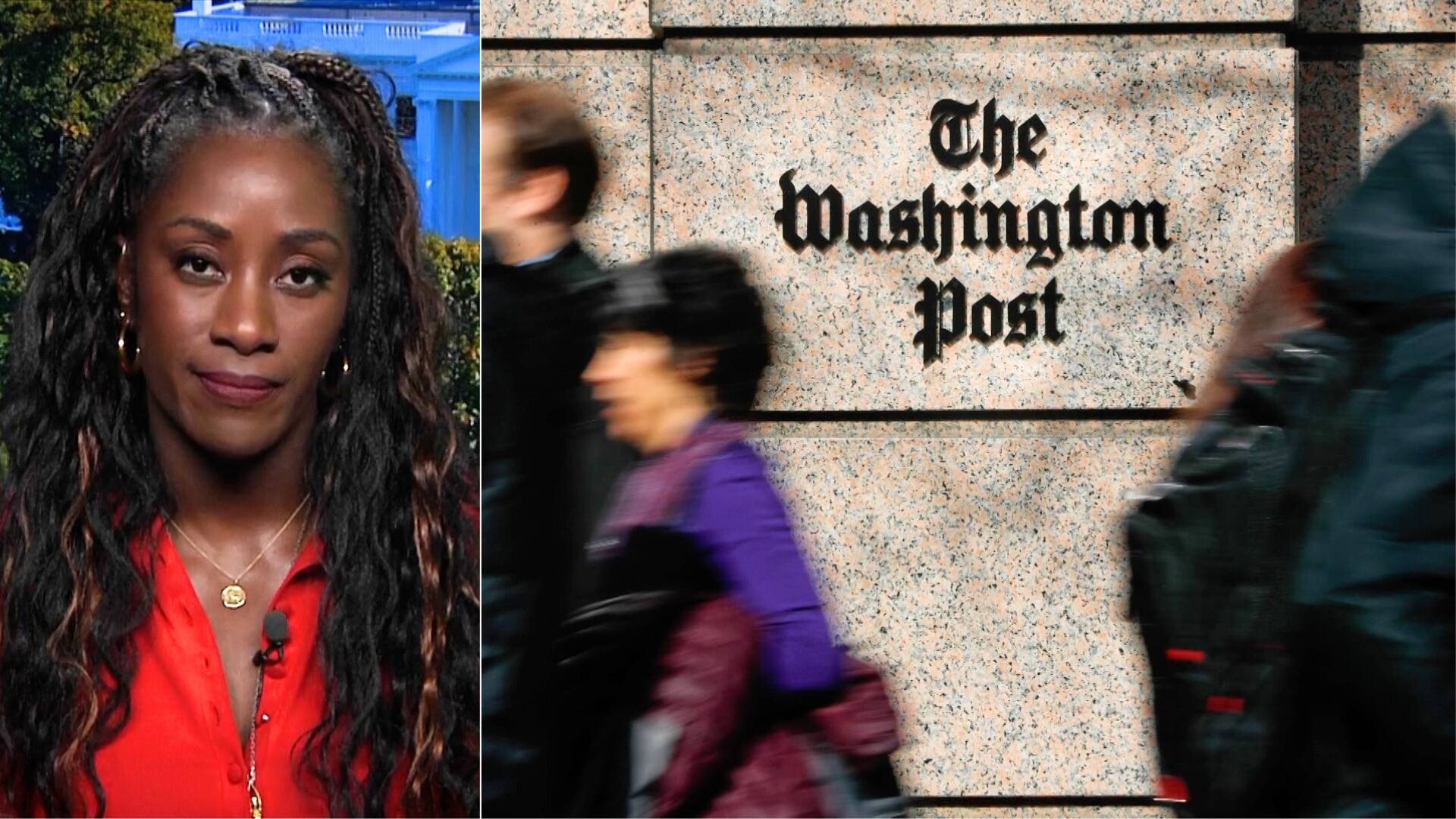
Karen Attiah Wins Reinstatement at Washington Post After Arbitration Victory
Award-winning Washington Post columnist Karen Attiah has been reinstated with back pay after an arbitrator ruled in her favor following her controversial firing over social media posts about Charlie Kirk.
 Politics
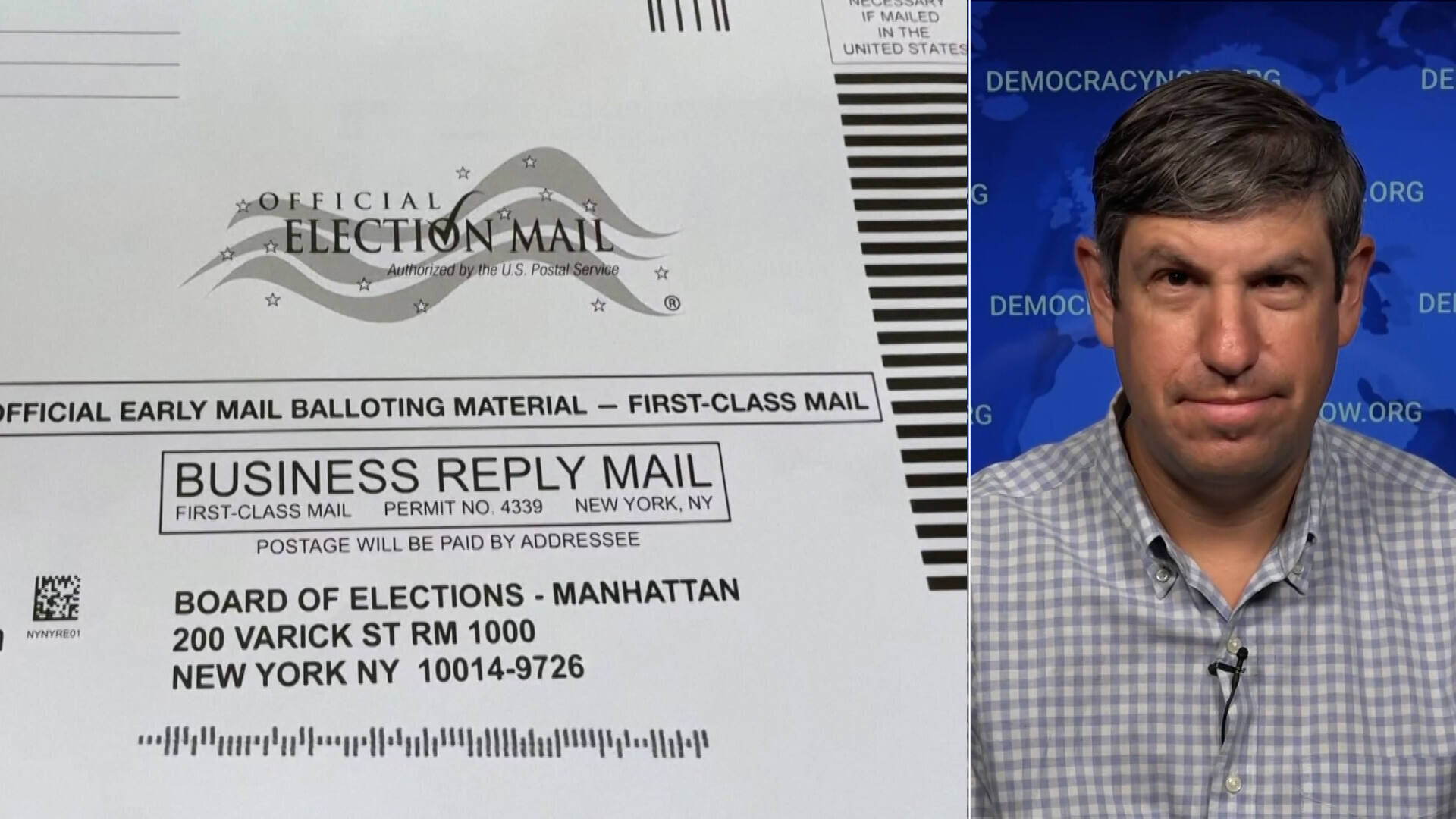
Supreme Court Allows Trump’s Mail-In Voting Restrictions to Proceed: What It Means for Midterms
The Supreme Court’s 6-3 decision lifts an injunction on Trump’s executive order restricting mail-in voting, raising concerns over potential voter disenfranchisement ahead of the midterm elections.
Most Read

Canada's Solar Energy Growth: Provinces Chart Diverse Paths to 2035 Goals
Autumn Hill Sentenced to 50 Years in Prison for Anti-ICE Protest: A Case of Political Persecution?

Hull City Secure 1-0 Away Win at Coventry, Maintain Perfect Premier League Start

DSM-6 to Integrate Biology in Mental Health Diagnosis for First Time