US, South Korea, Japan to conduct joint military drill amid North Korea tensions
The US, South Korea, and Japan will hold a trilateral Freedom Edge exercise in September to counter North Korean nuclear threats, despite Pyongyang's warnings of retaliation.
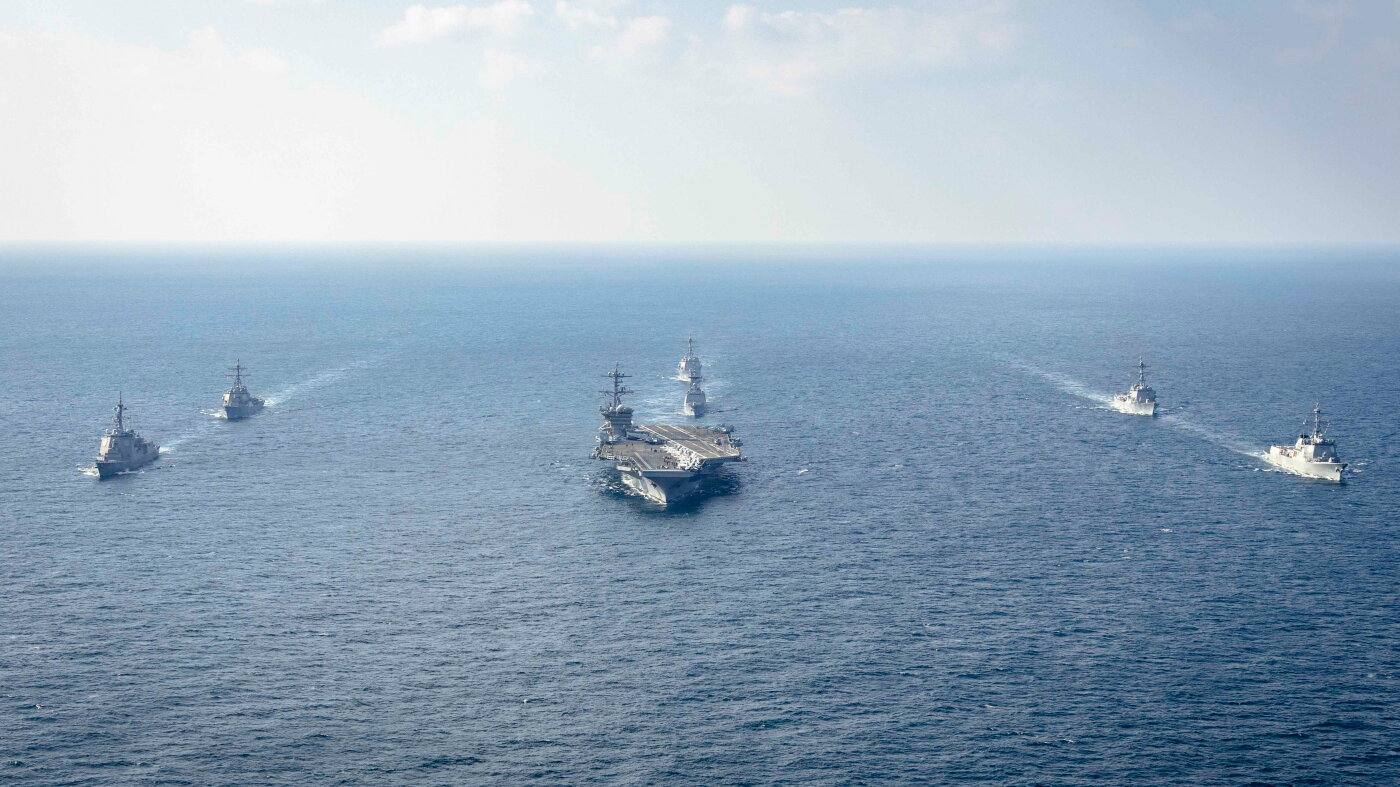
South Korea, the United States and Japan will conduct a joint naval and air exercise next month, officials said on Friday, even as North Korea vowed to retaliate against what it called U.S. “hostilities.” The three‑nation drill, named Freedom Edge, is scheduled to begin on September 7 and run for five days in the waters off Jeju Island, the southernmost province of South Korea. The exercise is intended to improve joint ballistic‑missile defense, anti‑submarine warfare, surveillance and other capabilities, the South Korean Defense Ministry said in a statement.
North Korea’s reaction has been swift. The country launched about ten short‑range ballistic missiles into the sea the week before the exercise, a move it said was a “response” to the U.S.–South Korea drill. In a statement issued by the Foreign Ministry, Pyongyang accused the United States of a series of hostile acts, including the possible sale of air‑to‑air missiles and related equipment to South Korea, and warned it would “make a serious, immediate and powerful response” to those acts.
The Freedom Edge drill is the latest iteration of a series of joint exercises that began in 2024. It expands on earlier bilateral drills by adding Japan and integrating simultaneous air and naval components. The exercise is described as defensive in nature and aimed at countering North Korean nuclear and missile threats while promoting regional peace and stability. North Korea has repeatedly condemned the drill as a “reckless show of strength” and a “confrontational stance” that threatens to bring U.S. forces to the border with China and pressure Russia.
The timing of the exercise coincides with a change in U.S. policy. President Donald Trump, who has been in office since 2017, ordered the Pentagon to “substantially reduce” the annual Ulchi‑Freedom Shield drill with South Korea, a move seen by many as a goodwill gesture toward Pyongyang. The U.S. and South Korean militaries ended that drill six days earlier than originally planned, but North Korea has said the shortened schedule does not alter the “provocative, aggressive nature” of the exercise. Trump has cited a “good relationship” with North Korean leader Kim Jong‑Un, but the two leaders have not resumed diplomatic talks since 2019.
North Korea’s diplomatic position remains rigid. The regime has made it clear that it will not engage in talks unless the United States abandons its demand for a complete denuclearization of the Korean Peninsula. Since the collapse of earlier diplomatic efforts, Kim has expanded his nuclear arsenal and strengthened ties with Russia, citing the war in Ukraine as a strategic alignment. Analysts suggest that Kim now has more leverage and could seek significant U.S. concessions, such as international recognition of North Korea as a nuclear state and broad sanctions relief, in exchange for partial surrender of its nuclear weapons.
South Korea’s decision to proceed with the Freedom Edge drill reflects a broader strategy to deter North Korean aggression. The country has moved away from a “denuclearization‑first” posture in its negotiations, opting instead to emphasize deterrence and regional stability. The exercise will involve the U.S. aircraft carrier USS George Washington, as well as warships from all three nations, and will take place in international waters off Jeju Island.
The U.S., South Korea and Japan’s plan to hold the drill amid heightened tensions signals that the three allies are prioritizing military readiness over diplomatic outreach at this time. The exercise is expected to test the three nations’ ability to coordinate responses to missile launches and other threats, and to reassure regional partners of the U.S. commitment to security in the Korean Peninsula. Whether the drill will ease or exacerbate tensions remains to be seen, but the North Korean leadership’s recent missile launches and threats suggest that the situation on the Korean Peninsula remains volatile.
Comments (0)
No comments yet — be the first to weigh in.
Related Coverage
 World
World
Slow start makes me want to stay - Norris extends McLaren deal to 2030
Lando Norris has signed a contract extension with McLaren, committing to the team through at least the end of the 2030 Formula 1 season. The 26-year-old British...
 World
World
Wales NHS gender surgeries paused for review into referral numbers
The Welsh Gender Service, based at St David’s Hospital in Cardiff, has temporarily suspended all new and scheduled referrals for gender-affirming surgeries as h...
 World
World
At least 37 dead and hundreds evacuated after strike on Kyiv warehouse
At least 37 people have been killed and nearly 400 evacuated after a Russian drone strike triggered explosions at a warehouse in the Kyiv region late Friday, Uk...
 World
World
Sarah Ferguson Expected to Return to UK Soon, Source Says
Former Duchess of York Sarah Ferguson, who lost her royal titles amid the Epstein scandal, is expected to return to the UK soon, a source told the BBC.
Most Read

Tottenham Hotspur sign Omar Marmoush on loan from Man City with permanent deal option

Nepal Flash Floods Death Toll Rises to 626, Over 2,400 Missing
Nicole Rifkin’s New Yorker Cover Honors Dolly Parton’s Legacy
Machine Learning Boosts Irradiance Prediction for Bifacial Solar Panels