US Politics Drives Surge of Business Leaders in Government
The piece explores how U.S. corporate power and political structures fuel the rise of business figures in office, citing Trump, lobbying, and policy shifts and governance.
The United States is witnessing a growing trend of business leaders transitioning into political roles, reshaping governance with corporate priorities. This shift, driven by regulatory changes and corporate influence in policymaking, has intensified under recent administrations and is raising concerns about transparency and public accountability. Figures like former President Donald Trump, a businessman-turned-politician, exemplify this trend, which extends beyond the White House to statehouses and local governments across the country.
The phenomenon of businessmen entering politics is not entirely new but has accelerated in recent years. Analysts attribute this to several factors, including the loosening of campaign finance laws and the increasing perception of government as a vehicle for corporate interests. The 2017 Tax Cuts and Jobs Act, for example, was widely seen as a victory for corporate lobbyists, with critics arguing it prioritized business overhaul at the expense of public services. Meanwhile, the Supreme Court’s 2010 Citizens United decision has further enabled corporate influence in elections, opening the door for business leaders to fund their own political ambitions.
Critics warn that the rise of the businessman-politician could erode democratic norms by blurring the line between private profit and public service. Transparency International’s 2025 report ranked the U.S. among the worst in the developed world for perceived corruption, citing conflicts of interest and weak lobbying regulations. In states like Texas and Florida, where business-friendly policies prevail, leaders with corporate backgrounds have pushed deregulation agendas that benefit industries like energy and real estate while drawing scrutiny over ethical oversight.
The trend also reflects broader economic shifts, including the decline of traditional political elites and the rise of a new class of wealth-driven decision-makers. While some argue that business leaders bring efficiency and innovation to governance, opponents highlight risks such as regulatory capture—where industries effectively write the rules that govern them. The 2026 midterms are expected to further test public attitudes toward this trend, as voters weigh candidates’ corporate ties against their policy promises.
Economic analysts suggest the businessman-politician model could deepen inequality by prioritizing short-term corporate gains over long-term public welfare. The Federal Reserve’s 2026 economic outlook flags concerns that unchecked corporate influence in policymaking may exacerbate wealth disparities, particularly in sectors like healthcare and housing. Meanwhile, international observers note that the U.S. is increasingly diverging from European models of governance, where career politicians and civil servants retain more control over policy.
As this trend continues, its long-term impact on American democracy remains a subject of debate. Advocacy groups are calling for stricter ethics laws and campaign finance reforms to restore public trust. Whether these measures gain traction may hinge on voter sentiment in the coming election cycles.
#USPolitics #BusinessInPolitics #CorporateInfluence #CampaignFinance #2026Midterms #DonaldTrump
Comments (0)
No comments yet — be the first to weigh in.
Related Coverage
 Business
Russian Drone Strike on Kiev Ammo Depot Kills 37, Sparks Evacuations
A Russian drone strike on an ammunition depot near Kiev caused massive explosions, killing 37 and injuring dozens. Ukraine's food logistics infrastructure is 90% destroyed, raising concerns ahead of winter.
 Business
Mamdani Begs Capitalists At The Adult Table For Help
New York City Mayor Zohran Mamdani has launched a Business Advisory Council, signaling a notable shift in his approach to engaging with the city's business...
 Business
Watch: Russian Military Conducts Test Of Huge Mobile ICBM
Russia’s Defense Ministry announced Friday that its Strategic Missile Forces conducted a successful test launch of a mobile, solid-fuel intercontinental ballist...
 Business
Have We Really Learnt The Lessons Of The GFC?
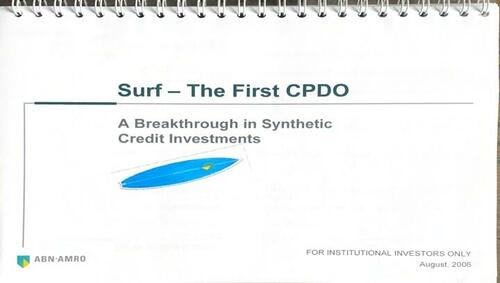
Two decades after the 2006 launch of the Constant Proportion Debt Obligation (CPDO), a financial product that promised AAA-rated returns while leveraging bets o...
Most Read

Three-storey building collapses at Swaminarayan temple in Prayagraj, no casualties
Kai Bird Explores Roy Cohn's Influence on Donald Trump's America

Canada's Solar Energy Growth: Provinces Chart Diverse Paths to 2035 Goals

Autumn Hill Sentenced to 50 Years in Prison for Anti-ICE Protest: A Case of Political Persecution?
