Trump's 'economic D-day' against Iran risks higher stakes, analysts warn
Analysts warn Trump's new economic strategy against Iran could backfire, escalate regional tensions, and drive up global fuel prices amid midterm pressures.
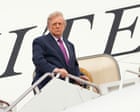
The Trump administration has launched a new campaign aimed at cutting Iran off from the global economy through heightened financial pressure and secondary sanctions. Dubbed Operation Economic Outcast by U.S. Treasury Secretary Scott Bessent, the initiative seeks to penalize foreign governments, banks, and corporations that continue doing business with Tehran, further escalating the ongoing geopolitical conflict in the Middle East.
Iran's economy is already facing severe strain from years of U.S. sanctions, direct military conflict, and a naval blockade. Iranian officials acknowledge significant constraints on oil exports and foreign currency access, resulting in high inflation and currency depreciation. Despite these difficulties, Iranian President Masoud Pezeshkian stated that while the country seeks peace, it intends to negotiate from a position of power and dignity rather than total surrender.
In response to the economic measures, Mohsen Rezaei, the head of Iran’s Supreme National Security Council, warned that foreign participation in the Washington-led campaign would be viewed as an act of war. Rezaei cautioned that Tehran could target regional interests and disrupt Gulf oil exports, including alternative transport routes designed to bypass the Strait of Hormuz, in an effort to raise the economic costs for the U.S. and its regional partners.
A major challenge facing the U.S. strategy involves China, the primary importer of Iranian crude oil. Beijing has instructed domestic companies to ignore U.S. sanctions targeting Chinese buyers and warned of necessary countermeasures if Chinese commercial interests are targeted. U.S. officials face the dilemma of enforcing secondary sanctions against major economic powers or tolerating continued trade with Iran, a choice Treasury Secretary Bessent noted carries risks to global financial stability.
The economic standoff has turned into a contest of strategic endurance between Washington and Tehran. U.S. policymakers are betting that Iran's economy will break first under sustained pressure. Conversely, Iranian leaders calculate that Washington's tolerance for global energy market disruptions, rising domestic fuel prices, and broader regional turmoil will break before Tehran capitulates.
Previous U.S. pressure campaigns, including the 2018 withdrawal from the Joint Comprehensive Plan of Action nuclear agreement and subsequent military actions, led Iran to expand its nuclear program and leverage control over key shipping routes. Without broader strategic coordination, the latest economic measures risk driving global energy prices higher and deepening geopolitical instability.
#Iran #UnitedStates #DonaldTrump #ScottBessent #MasoudPezeshkian #China #Economy #StraitOfHormuz
Comments (0)
No comments yet — be the first to weigh in.

Bayeux Tapestry’s UK Loan: A Symbol of Post-Brexit UK-France Rapprochement
The historic loan of the Bayeux Tapestry to the UK marks a cultural milestone and a soft power gesture amid post-Brexit Anglo-French relations, drawing record visitor interest.

Illinois Police Assist ICE With Deportations Despite State Sanctuary Law
An investigation shows local police agencies across Illinois collaborated with federal agents to detain immigrants, circumventing the state's TRUST Act.
U.S. Casualties in Iran War Rise Again: Pentagon Reports 60 More Injured Troops
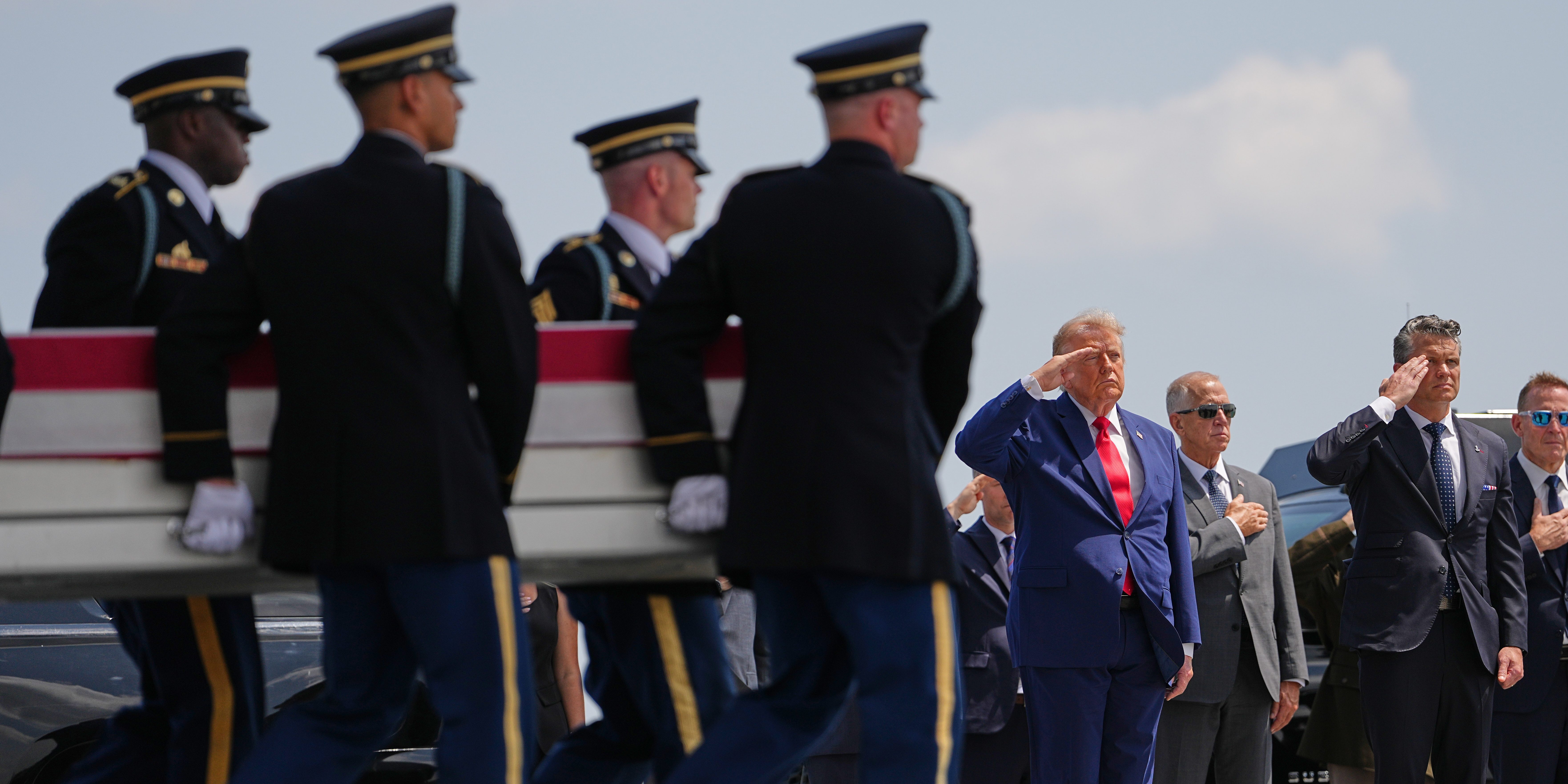
The Pentagon reports 60 additional U.S. troops injured in the Iran war, raising the official casualty toll to 776. The latest spike follows renewed Iranian attacks and allegations of a Pentagon casualty cover-up.
Conservative Groups Back Minneapolis Protesters in Legal Fight Against ICE Surveillance
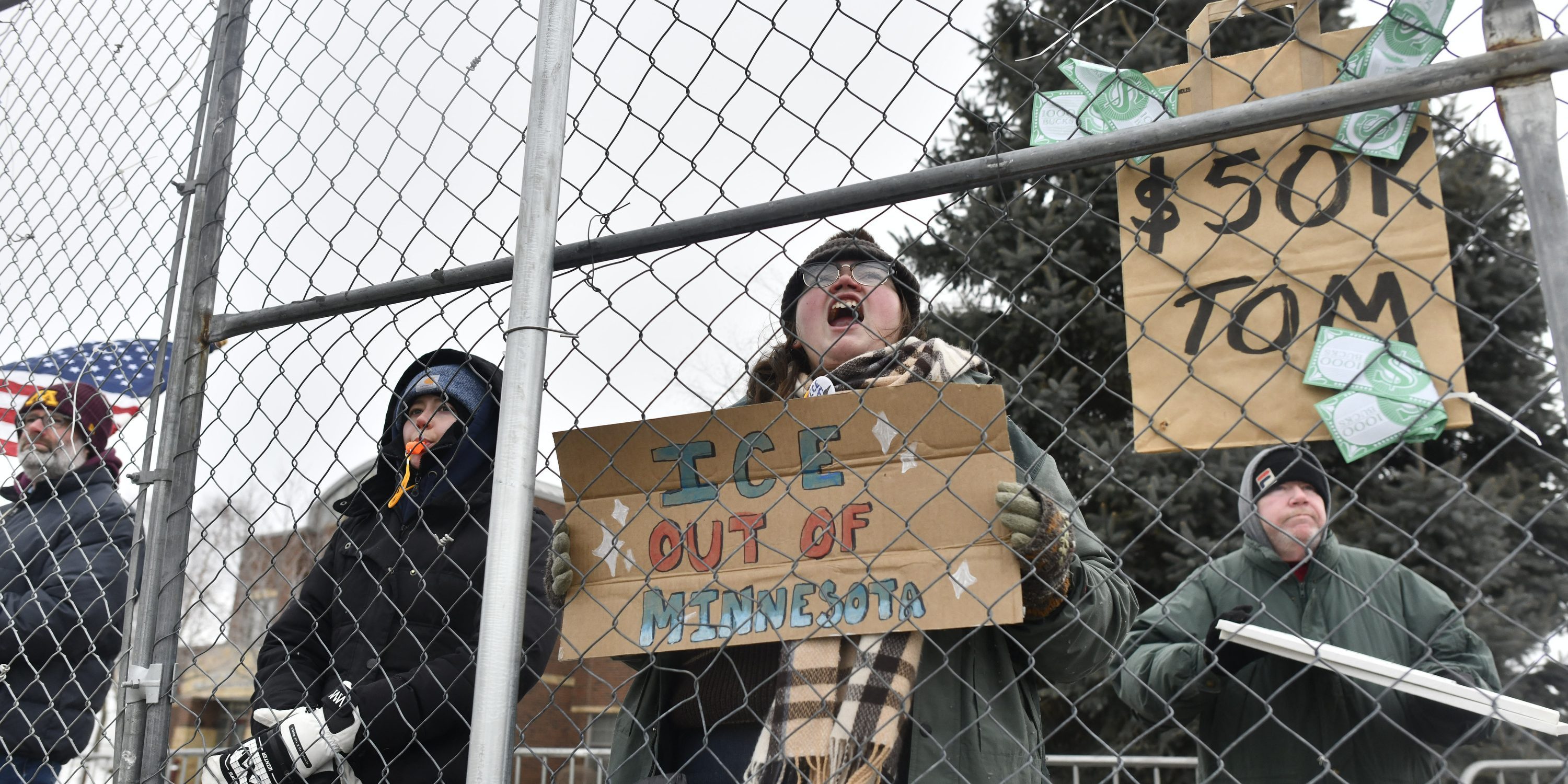
Conservative and libertarian groups file a friend-of-the-court brief supporting Minneapolis protesters targeted by ICE undercover operations, alleging political profiling under Trump-era policies.
To End the Iran War, We Must Look Beyond Munich



Israeli forces target Lebanon's Doha Kfar Rumman with artillery fire