Trump Strikes "Biggest Oil Deal In History": US To Take Majority Stake In Over 65BN Barrels Of Venezuela Reserves
President Donald Trump announced on Friday via Truth Social that the United States has reached a historic agreement with Venezuela, securing a majority stake in more than 65 billion barrels of Venezuelan oil reserves. The deal, described by Trump as the "biggest oil deal in world history," comes at no cost to U.S. taxpayers and is expected to more than double the nation's oil reserves.
Trump stated that the agreement would also help reduce gasoline prices in the U.S., where the average price of a gallon reached approximately $4.09 on Friday, a 27% increase year over year, according to AAA. The White House has not provided further details on the timeline for implementation or the specific terms of the deal.
The agreement follows six months of efforts by the Trump administration to address supply disruptions in the Strait of Hormuz, a critical chokepoint for global oil transit. The deal involves U.S. oil companies taking over operations of at least 17 Venezuelan oil fields under 100-year leases, according to Bloomberg sources. The negotiations reportedly include discussions about Venezuela potentially withdrawing from OPEC, a bloc it helped found in 1960 and played a key role in expanding with Russia in 2016. No final decision has been made, but the talks reflect U.S. efforts to reduce reliance on Middle Eastern oil.
Venezuela, which currently produces about 1.16 million barrels of oil per day, has faced years of underinvestment in its energy infrastructure. The U.S. seeks to secure long-term crude supplies by taking a significant stake in these fields, which could strengthen energy independence and pressure global oil prices.
However, the deal raises concerns about transparency and accountability. Since January, when U.S. forces intervened in Venezuela and removed President Nicolás Maduro from power, nearly 100 million barrels of oil, worth an estimated $8 billion, have been exported with no public accounting of revenues or expenditures. While the Trump administration has shared some details with Congress—including $500 million transferred to Venezuela via a Qatar-based account—it has not provided a full public disclosure of how funds have been used or safeguarded.
Critics and lawmakers have questioned the lack of oversight, with the Council on Foreign Relations recently asking, "Where has all the money gone?" The administration has pledged to conduct audits but has not released comprehensive financial records.
The deal also hinges on security and infrastructure challenges in Venezuela, where decades of underinvestment have left oil production facilities in a state of disrepair. U.S. oil companies must be assured of safe and sustainable operations before committing to long-term leases.
As global oil markets remain volatile due to conflicts in Iran and Ukraine, the Trump administration views this agreement as a strategic move to stabilize supply and reduce OPEC’s influence. Yet, questions linger about the feasibility of rapidly increasing production and the transparency of financial arrangements. Further details are expected in the coming weeks as negotiations finalize.
Comments (0)
No comments yet — be the first to weigh in.
Related Coverage
 Business
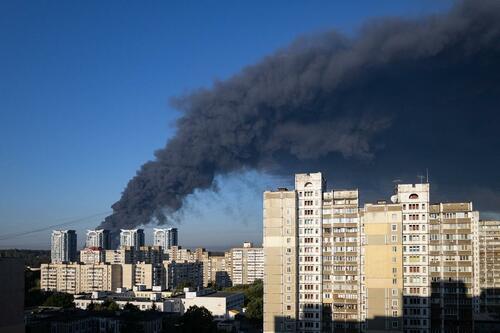
Russian Drone Strike on Kiev Ammo Depot Kills 37, Sparks Evacuations
A Russian drone strike on an ammunition depot near Kiev caused massive explosions, killing 37 and injuring dozens. Ukraine's food logistics infrastructure is 90% destroyed, raising concerns ahead of winter.
 Business
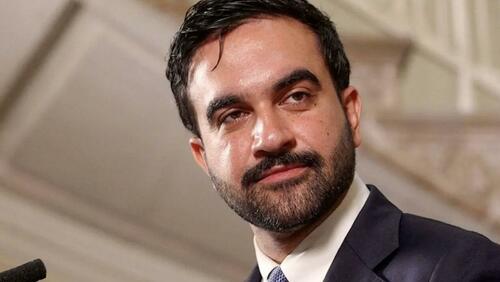
Mamdani Begs Capitalists At The Adult Table For Help
New York City Mayor Zohran Mamdani has launched a Business Advisory Council, signaling a notable shift in his approach to engaging with the city's business...
 Business
Watch: Russian Military Conducts Test Of Huge Mobile ICBM
Russia’s Defense Ministry announced Friday that its Strategic Missile Forces conducted a successful test launch of a mobile, solid-fuel intercontinental ballist...
 Business
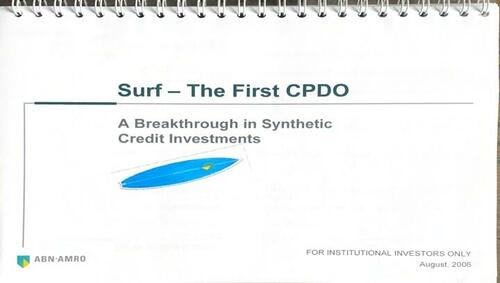
Have We Really Learnt The Lessons Of The GFC?
Two decades after the 2006 launch of the Constant Proportion Debt Obligation (CPDO), a financial product that promised AAA-rated returns while leveraging bets o...
Most Read

Three-storey building collapses at Swaminarayan temple in Prayagraj, no casualties
Kai Bird Explores Roy Cohn's Influence on Donald Trump's America
Canada's Solar Energy Growth: Provinces Chart Diverse Paths to 2035 Goals

Autumn Hill Sentenced to 50 Years in Prison for Anti-ICE Protest: A Case of Political Persecution?
