Trump Issues Emergency Order Banning Foreign Grid Equipment Over Security Risks
US President Trump declares national emergency, restricting foreign-made equipment in the electricity grid due to cybersecurity and operational threats. New rules expected in 120 days.

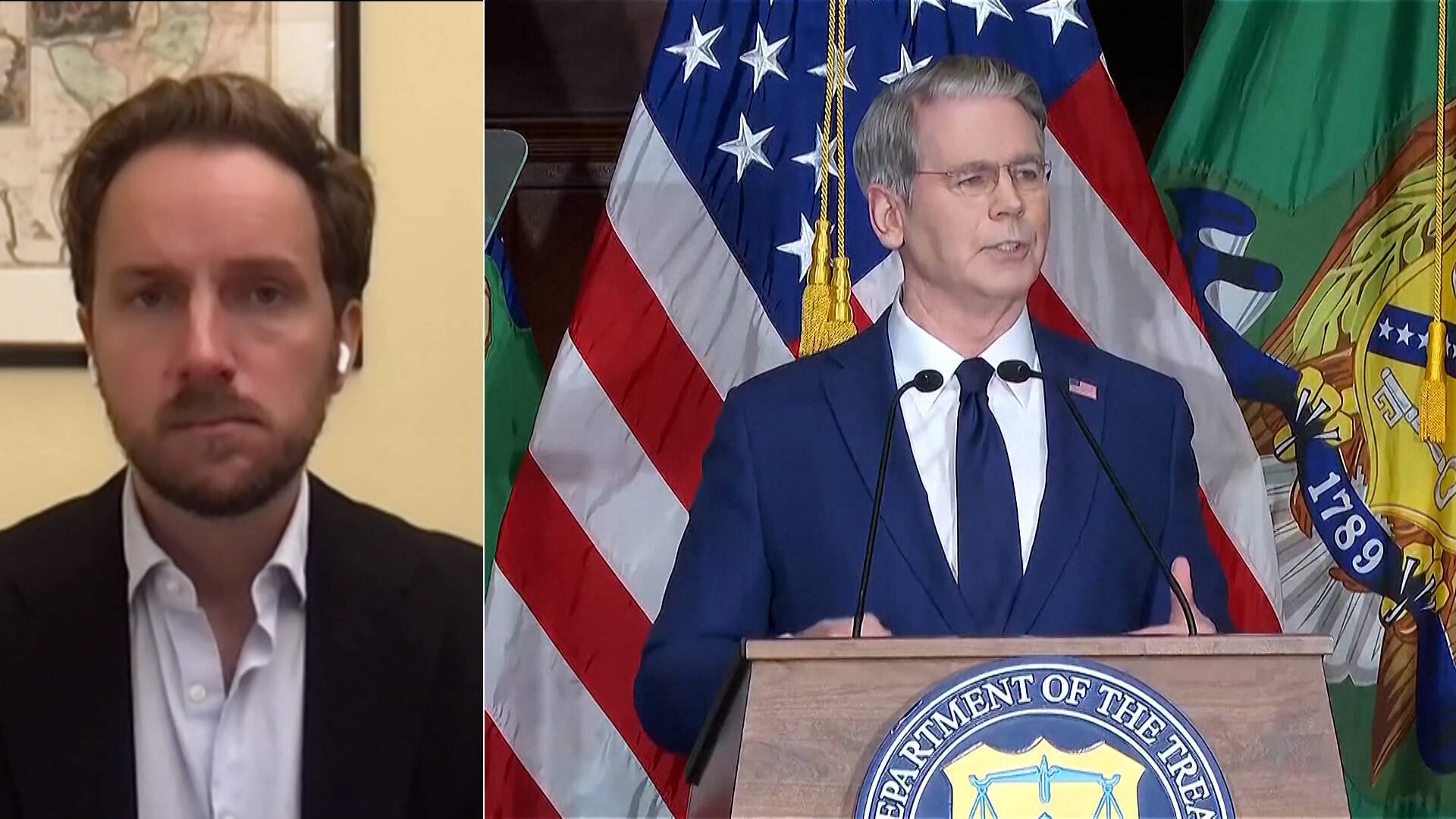
President Donald Trump signed an executive order on Wednesday that declares a national emergency over security risks tied to foreign‑made equipment in the U.S. electricity grid. The directive restricts the purchase and installation of certain foreign‑produced hardware and software used in the bulk‑power system, citing an “unusual and extraordinary foreign threat” that could create vulnerabilities for national security.
Under the order, the Department of Energy must publish formal rules within 120 days to implement the policy. In the interim, utility companies are required to identify and inventory equipment flagged by the administration. “Blocking new purchases is the easy part. Knowing what’s already running is where the real work starts,” said John Bruggeman, virtual chief information security officer of CBTS, in an interview with Al Jazeera. “Utilities running foreign‑sourced grid equipment … have a live compliance clock starting today.”
The move follows a series of actions by the White House and federal agencies aimed at reducing foreign influence on the grid. Earlier this year, U.S. experts uncovered undisclosed communication devices in some Chinese solar‑power inverters. In July, the Federal Communications Commission banned all new foreign‑made power inverters that feature remote communication capabilities and operate within the electric‑utility grid. The Trump executive order builds on those efforts but does not prohibit all foreign‑made equipment from the power system.
Energy Secretary Chris Wright has been instructed to set conditions for the continued use and operation of affected equipment. “The executive order establishes the authority to act,” Michael Centrella of cybersecurity firm SecurityScorecard told Al Jazeera. “The difficult next step will be giving operators scalable, independent visibility into which assets and vendor relationships present the greatest risk without disrupting the reliability of the power system.”
The bulk‑power system—comprising the high‑voltage transmission network that delivers electricity from power plants to substations—relies on a mix of hardware, software, and digital controls. The executive order targets components and associated software that the administration believes could pose cybersecurity or operational risks. Utilities must now assess which devices in their fleets were manufactured abroad and evaluate whether they can safely continue to operate.
Experts say the order’s focus on foreign equipment is part of a broader strategy to protect critical infrastructure from potential espionage or sabotage. “Foreign‑made components can be compromised in ways that domestic suppliers cannot,” explained a spokesperson for the Department of Energy. “By limiting new imports and scrutinizing existing assets, the administration hopes to reduce the risk of a backdoor into the grid.”
The 120‑day rule‑making period will allow the Department of Energy to develop detailed guidelines on how utilities can comply, including testing procedures, supply‑chain vetting, and cybersecurity safeguards. Utilities will need to conduct comprehensive audits, identify the origin of each piece of equipment, and determine whether it meets the new standards. This process is expected to be resource‑intensive and could strain smaller operators.
The executive order also signals a shift in U.S. policy toward a more defensive posture in the face of perceived foreign threats. While the order does not ban all foreign equipment, it does create a framework for evaluating and potentially restricting components that could compromise grid security. The policy underscores the administration’s concern that foreign technology could be used to infiltrate or disrupt the nation’s power infrastructure.
As the Department of Energy moves forward, stakeholders will closely watch how the rules are drafted and how utilities navigate the compliance requirements. The balance between maintaining grid reliability and enhancing security will be a key challenge. The outcome of this initiative will likely influence future regulatory approaches to critical infrastructure protection and supply‑chain resilience.
Comments (0)
No comments yet — be the first to weigh in.
Related Coverage
 World
World
Slow start makes me want to stay - Norris extends McLaren deal to 2030
Lando Norris has signed a contract extension with McLaren, committing to the team through at least the end of the 2030 Formula 1 season. The 26-year-old British...
 World
World
Wales NHS gender surgeries paused for review into referral numbers
The Welsh Gender Service, based at St David’s Hospital in Cardiff, has temporarily suspended all new and scheduled referrals for gender-affirming surgeries as h...
 World
World
At least 37 dead and hundreds evacuated after strike on Kyiv warehouse
At least 37 people have been killed and nearly 400 evacuated after a Russian drone strike triggered explosions at a warehouse in the Kyiv region late Friday, Uk...
 World
World
Sarah Ferguson Expected to Return to UK Soon, Source Says
Former Duchess of York Sarah Ferguson, who lost her royal titles amid the Epstein scandal, is expected to return to the UK soon, a source told the BBC.
Most Read

Tottenham Hotspur sign Omar Marmoush on loan from Man City with permanent deal option

Nepal Flash Floods Death Toll Rises to 626, Over 2,400 Missing
Nicole Rifkin’s New Yorker Cover Honors Dolly Parton’s Legacy
Machine Learning Boosts Irradiance Prediction for Bifacial Solar Panels