Trump and Putin's Escalating Wars Threaten Global Stability Six Months In
Six months into Trump's Iran war and amid fears of Putin's nuclear escalation in Ukraine, global instability reaches new heights with both leaders clinging to power.

Six months after President Donald Trump launched his military campaign against Iran, the conflict shows no signs of resolution, raising concerns about escalation and global stability. Meanwhile, Russian President Vladimir Putin’s frustration with the stalled war in Ukraine has reportedly led his administration to consider more aggressive tactics, including the potential use of tactical nuclear weapons. Analysts warn that the next several months could be among the most dangerous in recent history as two aging leaders, increasingly detached from reality, cling to power at any cost.
Trump’s approach to the Iran conflict reflects a pattern of denial and symbolic gestures rather than substantive strategy. He recently shared a digitally altered poster declaring “Mission Accomplished,” drawing parallels to former President George W. Bush’s Iraq War missteps. Despite his claims of weakening Iran’s regime and asserting control over the Strait of Hormuz, shipping data tells a different story. According to Reuters, the number of vessels transiting the strait has plummeted from over 100 per day to just 10 or 15, with nearly 320 ships currently waiting. The U.S. Treasury Department, under Secretary Scott Bessent, announced new sanctions targeting 60 businesses, individuals, and vessels linked to Iran, but experts question their effectiveness, particularly if key Chinese entities remain untouched.
The sanctions announcement underscores Trump’s reliance on symbolic actions over tangible leverage. Analysts note that China, Iran’s primary economic partner, holds significant retaliatory power, including the ability to restrict exports of rare earth minerals—a critical resource for U.S. defense and technology industries. Similar restrictions in 2025 demonstrated China’s willingness to escalate economic tensions, and further measures could cripple American supply chains.
The Washington Post reports that six months into the conflict, the war remains a stalemate with no clear end in sight. Trump’s reluctance to pursue extreme military options or impose severe economic measures reflects his fear of economic backlash, particularly given his aversion to repeating Herbert Hoover’s mistakes during the Great Depression. However, the absence of robust checks on Trump’s power—unlike Putin’s unchecked authority in Russia—raises fears of escalation if the conflict drags on.
U.S. intelligence suggests Putin may be considering tactical nuclear strikes in Ukraine as a means of breaking the deadlock. While such weapons are far less destructive than Cold War-era arsenals, their use would mark a dangerous shift in global military norms. The U.S. itself faces a munitions crisis, with conventional weapon stockpiles dwindling, further complicating crisis response efforts.
The convergence of these two conflicts highlights a troubling trend: the erosion of long-standing nuclear deterrence norms and the growing unpredictability of world leaders. Both Trump and Putin operate in self-reinforcing bubbles where dissent is suppressed, and objective reality is secondary to maintaining power. The result is a world increasingly vulnerable to miscalculation and escalation.
As the U.S. and Russia drift toward a more adversarial relationship, the question of whether American democracy can still serve as a stabilizing force remains unanswered. The coming months will test the resilience of global institutions and the ability of leaders to prioritize collective security over personal ambition.
#IranWar #UkraineCrisis #Trump #Putin #USForeignPolicy #SanctionsOnIran #NuclearEscalation
Comments (0)
No comments yet — be the first to weigh in.
Related Coverage
 Politics
Autumn Hill Sentenced to 50 Years in Prison for Anti-ICE Protest: A Case of Political Persecution?
Activist Autumn Hill received a 50-year prison sentence for protesting outside a Texas ICE facility. Critics call her conviction a politically motivated use of terrorism charges against anti-fascist demonstrators.
 Politics
Headlines for August 26, 2026
Iran has resumed talks with Oman about managing the Strait of Hormuz while tensions in the region remain high, despite economic pressure from the United States....
 Politics
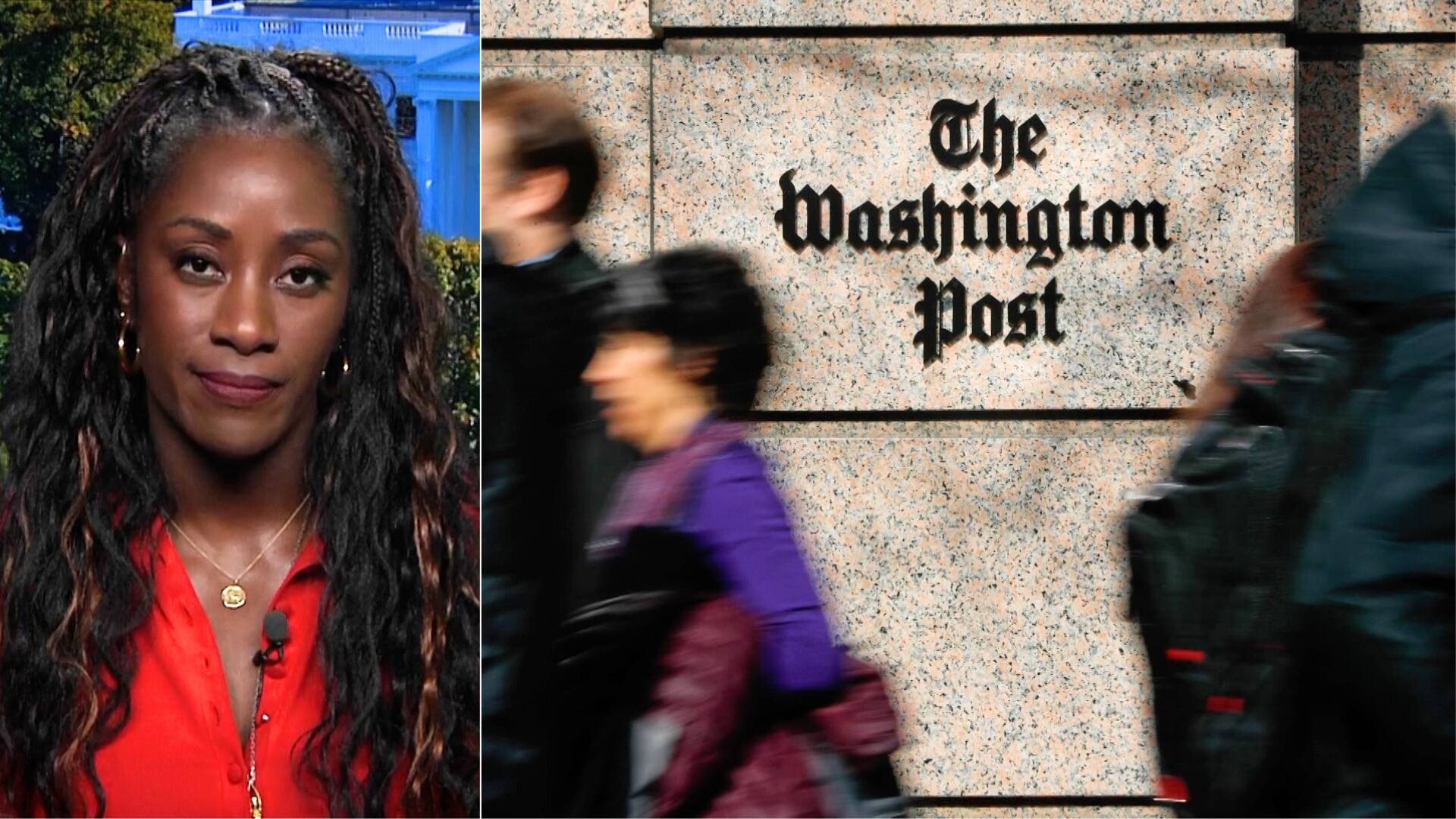
Karen Attiah Wins Reinstatement at Washington Post After Arbitration Victory
Award-winning Washington Post columnist Karen Attiah has been reinstated with back pay after an arbitrator ruled in her favor following her controversial firing over social media posts about Charlie Kirk.
 Politics
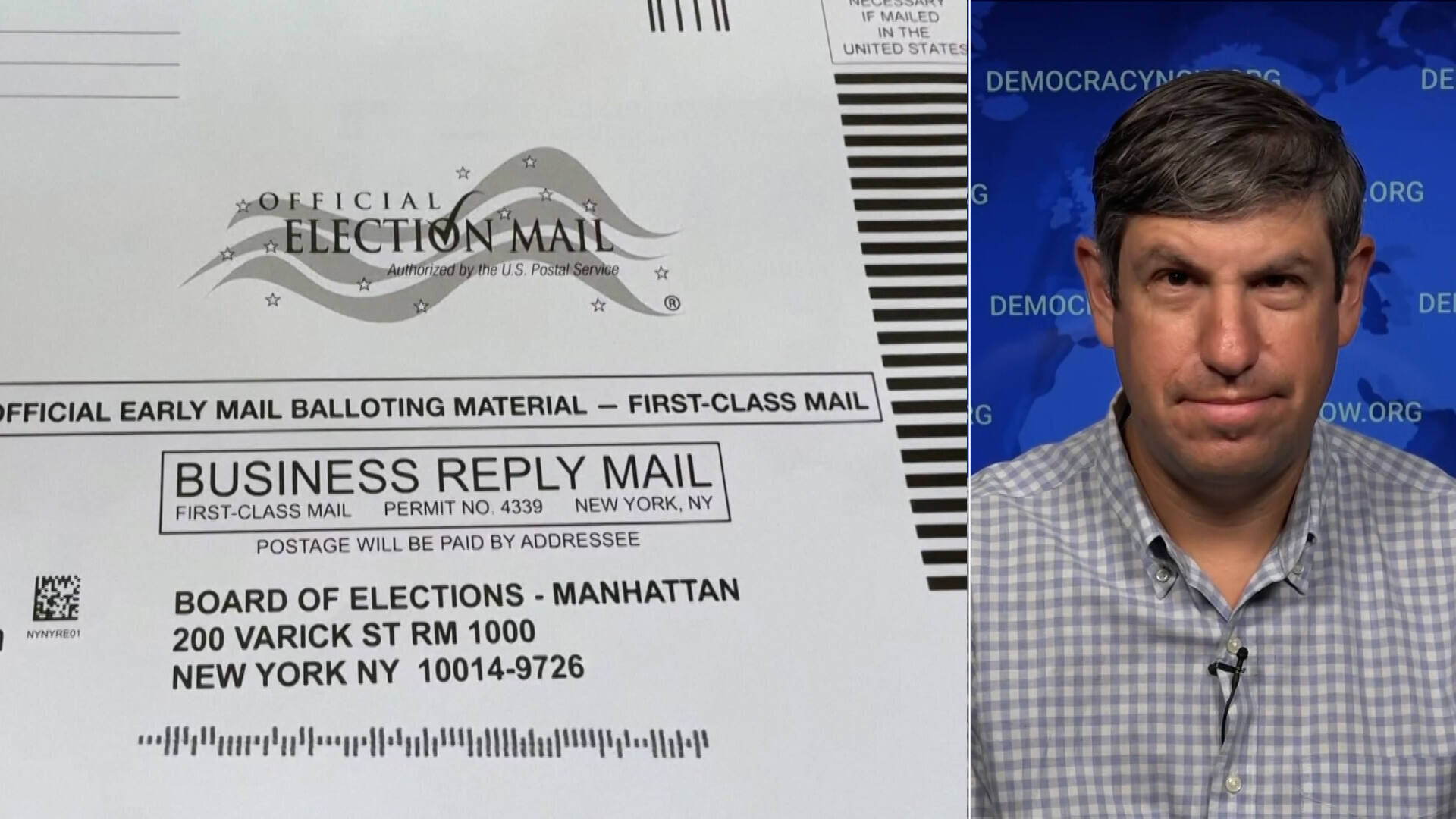
Supreme Court Allows Trump’s Mail-In Voting Restrictions to Proceed: What It Means for Midterms
The Supreme Court’s 6-3 decision lifts an injunction on Trump’s executive order restricting mail-in voting, raising concerns over potential voter disenfranchisement ahead of the midterm elections.
Most Read

Three-storey building collapses at Swaminarayan temple in Prayagraj, no casualties
Kai Bird Explores Roy Cohn's Influence on Donald Trump's America
Canada's Solar Energy Growth: Provinces Chart Diverse Paths to 2035 Goals
Autumn Hill Sentenced to 50 Years in Prison for Anti-ICE Protest: A Case of Political Persecution?
