Trump Administration Revives Santa Barbara Oil Pipeline Amid Legal Battles
The Trump administration's intervention to restart an offshore oil pipeline in Santa Barbara has sparked legal battles and raised concerns over federal overreach and environmental regulations.

California has become the latest battleground in a dispute between state officials and the Trump administration over the regulation of offshore oil production near Santa Barbara, a coastal region known for its natural beauty and recreational appeal. The conflict centers on Sable Offshore, a Houston-based company that resumed pumping oil through an offshore pipeline in early 2026, following an order from the U.S. Department of Energy (DOE).
The DOE justified its intervention under the Defense Production Act, citing national security concerns to bolster domestic energy production. Critics, however, view the move as an attempt by the Trump administration to override state and local authority while undermining environmental safeguards. The administration’s decision has intensified a legal battle, with nearly a dozen lawsuits filed by Sable, environmental groups, and federal, state, and local agencies.
Sable’s pipeline, which was shut down after a 2015 spill that contaminated over 100 miles of coastline with 100,000 gallons of oil, was acquired by the company in 2024. The DOE’s order required the pipeline’s restart despite objections from California officials, who argue that the administration overstepped its authority. In a recent ruling, U.S. District Judge Stephen Wilson fined Sable $1.5 million for violating a consent decree but upheld the federal government’s right to restart the pipeline under the Defense Production Act. California has filed appeals in multiple cases, while another was returned to state court.
The legal wrangling reflects broader tensions between state and federal jurisdictions, with competing rulings on whether the Defense Production Act preempts local regulations. Environmental advocates argue that the administration’s intervention sends a troubling message to oil companies, encouraging them to disregard legal orders. "The administration has sent a message to oil companies that you can violate court orders, you can violate shutdown orders or cease-and-desist orders," said Richard Charter, a longtime opponent of offshore drilling.
The Trump administration has framed the pipeline’s restart as a means to lower gas prices and support national security, though experts question its impact. The closure of the Strait of Hormuz, which disrupted global oil supplies, has raised concerns about energy shortages. However, Sable’s operation is expected to produce at most 50,000 barrels of oil per day—far less than the 12 to 15 million barrels affected by the Strait’s closure. Critics dismiss the national security justification as unfounded, suggesting the move is politically motivated.
Environmental groups and state officials have condemned the administration’s actions, with some accusing it of targeting California in retaliation for its progressive policies. "The last thing California wants is more offshore drilling," said an advocate for coastal protection. "We can all kind of smell it—that this is more of a political attack."
The dispute remains unresolved, with further legal challenges and political maneuvering expected. The outcome could set a precedent for future conflicts between state and federal authorities over energy regulation and environmental protections.
Comments (0)
No comments yet — be the first to weigh in.
Related Coverage
 Politics
Autumn Hill Sentenced to 50 Years in Prison for Anti-ICE Protest: A Case of Political Persecution?
Activist Autumn Hill received a 50-year prison sentence for protesting outside a Texas ICE facility. Critics call her conviction a politically motivated use of terrorism charges against anti-fascist demonstrators.
 Politics
Headlines for August 26, 2026
Iran has resumed talks with Oman about managing the Strait of Hormuz while tensions in the region remain high, despite economic pressure from the United States....
 Politics
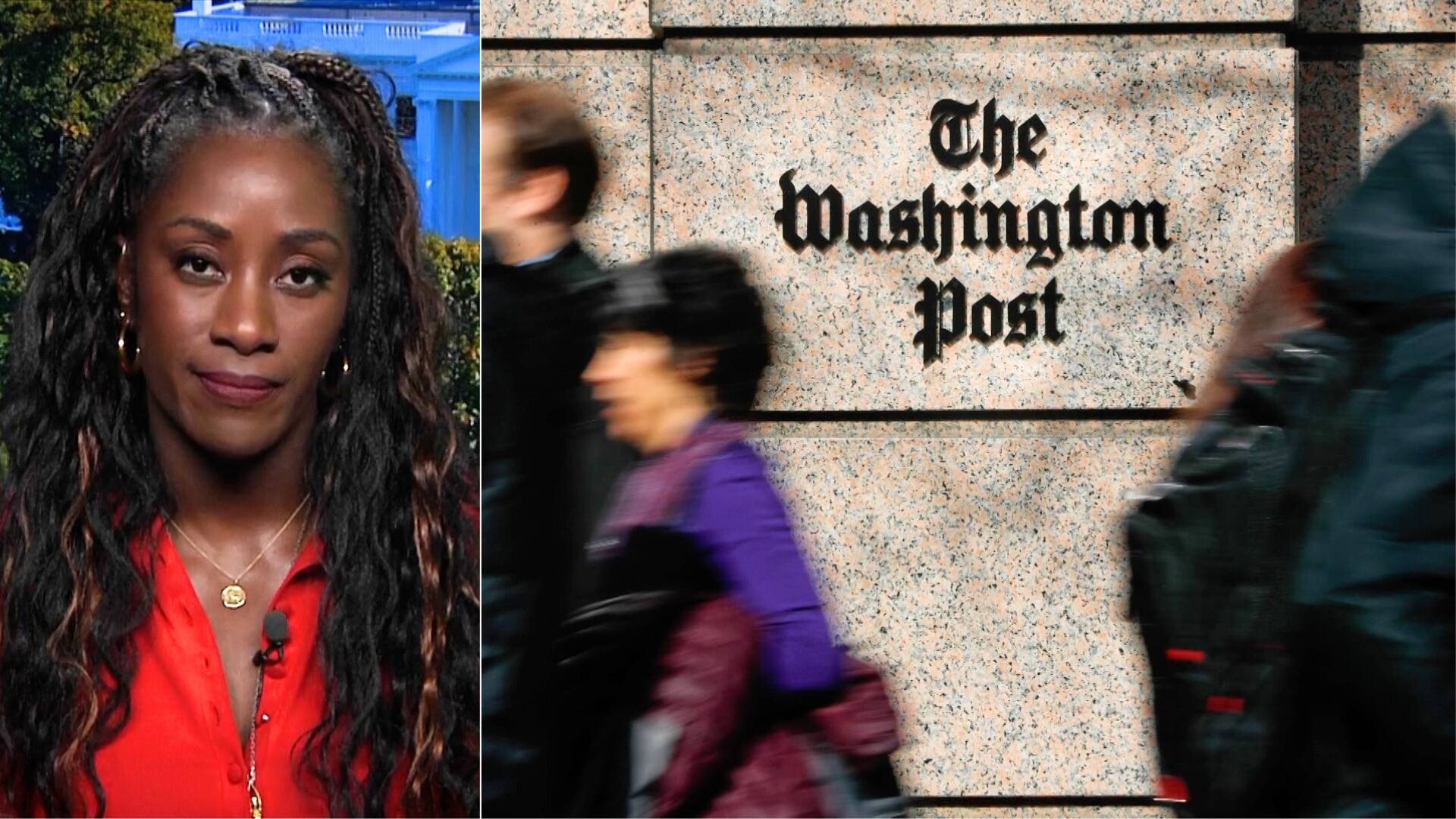
Karen Attiah Wins Reinstatement at Washington Post After Arbitration Victory
Award-winning Washington Post columnist Karen Attiah has been reinstated with back pay after an arbitrator ruled in her favor following her controversial firing over social media posts about Charlie Kirk.
 Politics
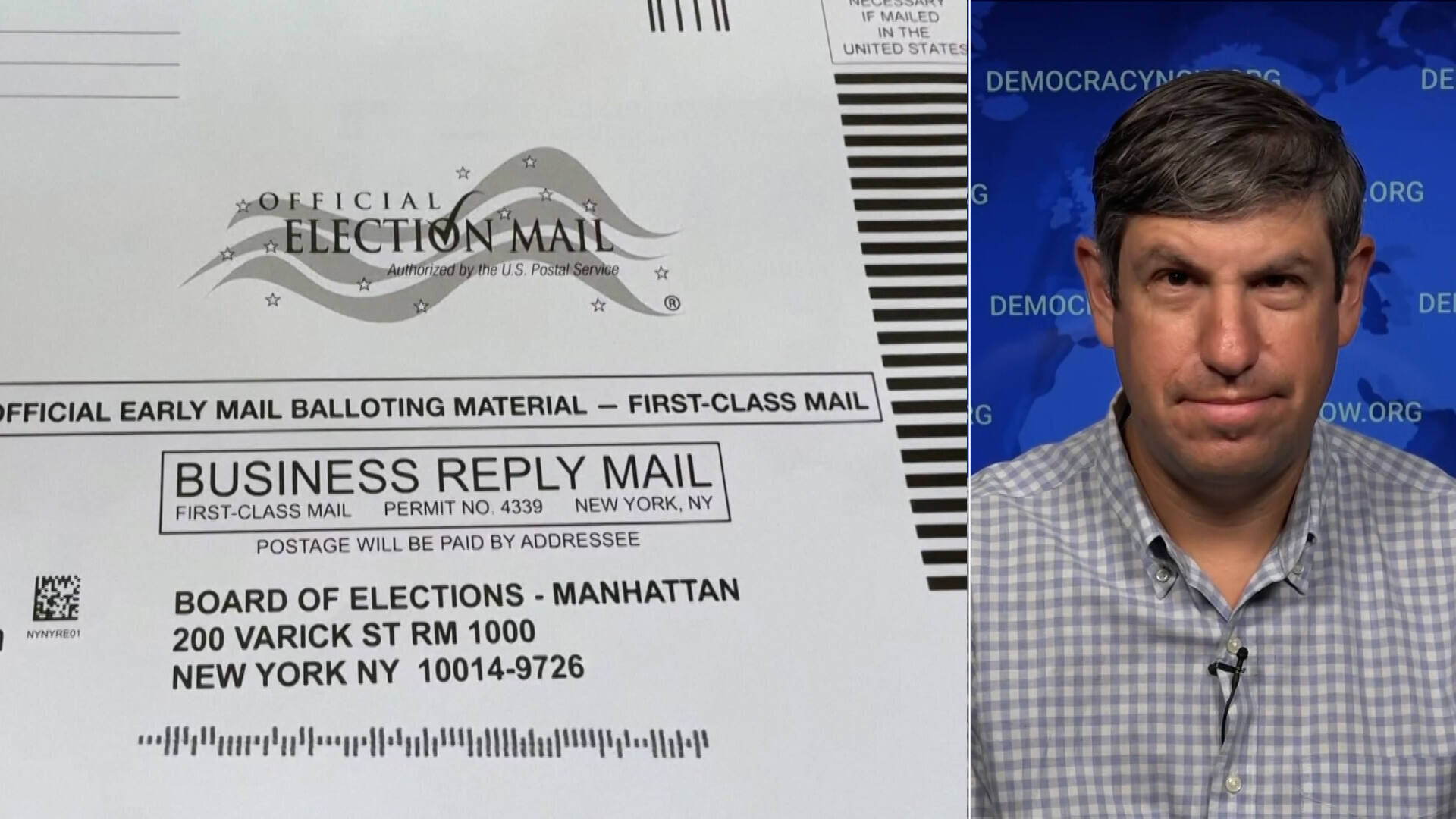
Supreme Court Allows Trump’s Mail-In Voting Restrictions to Proceed: What It Means for Midterms
The Supreme Court’s 6-3 decision lifts an injunction on Trump’s executive order restricting mail-in voting, raising concerns over potential voter disenfranchisement ahead of the midterm elections.
Most Read

Three-storey building collapses at Swaminarayan temple in Prayagraj, no casualties
Kai Bird Explores Roy Cohn's Influence on Donald Trump's America
Canada's Solar Energy Growth: Provinces Chart Diverse Paths to 2035 Goals
Autumn Hill Sentenced to 50 Years in Prison for Anti-ICE Protest: A Case of Political Persecution?
