Trump Administration Misrepresents Cuban History in Tricontinental Report, Scholar Says
A University of Virginia professor argues the Trump State Department's Cuba report distorted historical facts about the Tricontinental movement, a Cold War-era anti-imperialist alliance.
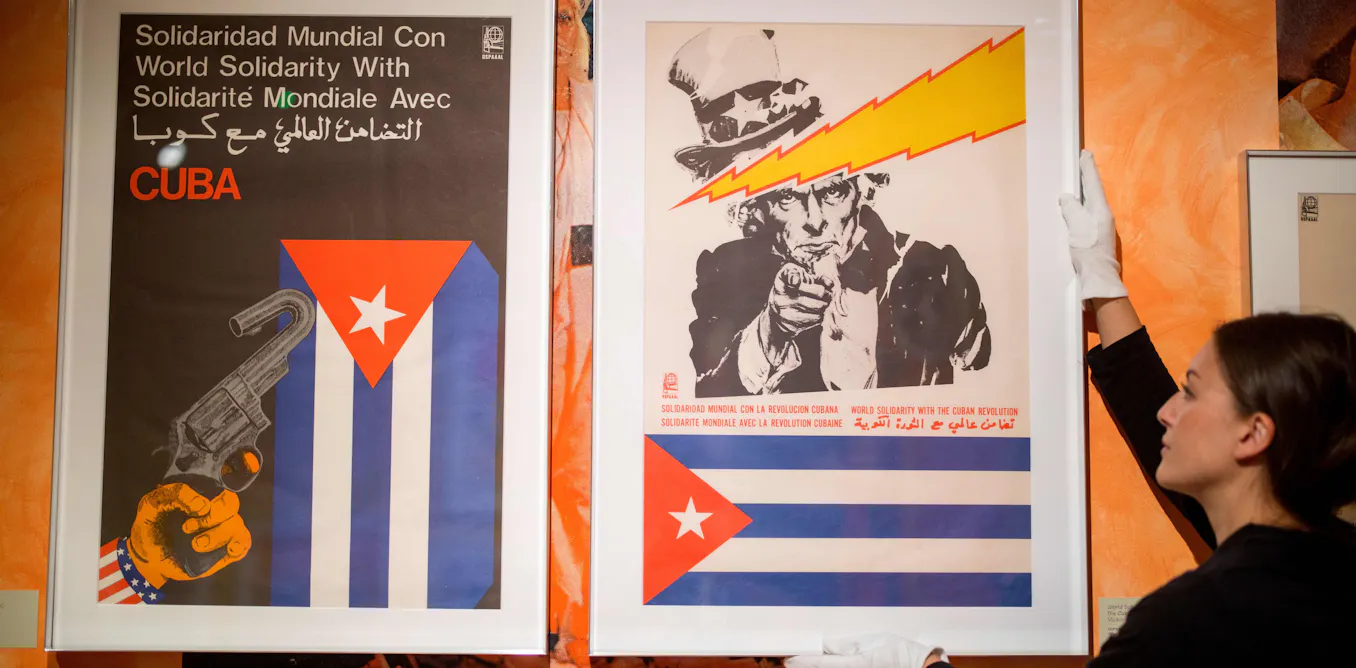
The Trump administration’s U.S. State Department report titled “Cuba: The Capital of 21st Century Communism,” released in July 2026, has drawn criticism from scholars for misrepresenting the history of the Tricontinental movement. The report, which cites portions of a 2018 academic book by University of Virginia Latin American studies professor Dr. Van Gosse, argues that Cuba has influenced left-wing activism in the United States. However, scholars like Gosse contend that the report selectively interprets history to support political narratives rather than accurately reflect the movement’s origins and goals.
The Tricontinental movement, officially known as the Organization of Solidarity with the Peoples of Africa, Asia, and Latin America (OSPAAAL), was founded in Havana in 1966. It emerged from global anti-colonial and anti-racist struggles, uniting liberation movements across three continents. The movement’s early leadership included figures such as Amílcar Cabral of Guinea-Bissau and Salvador Allende of Chile, alongside lesser-known activists from the United States. Cuba’s role in OSPAAAL followed its 1962 expulsion from the Organization of American States (OAS), pushing Havana to seek new alliances beyond the Western Hemisphere.
A key figure in the movement’s intellectual foundation was Afro-Cuban scholar Walterio Carbonell, whose ideas connected trans-Atlantic Black activism with anti-imperialist organizing. OSPAAAL became more than a political alliance—it produced a distinct political culture through magazines, films, and posters in multiple languages. The movement’s visual and written materials played a significant role in supporting the U.S. Civil Rights Movement and the anti-apartheid struggle in South Africa. Black American activists, including Stokely Carmichael and Robert F. Williams, participated in OSPAAAL’s conferences and executive leadership, shaping its global vision.
Contrary to the State Department’s claims, the Tricontinental movement did not operate as a Cuban tool to undermine the United States. Instead, it distinguished between criticism of U.S. government policies—such as military interventions in Vietnam and Latin America—and support for the American people. OSPAAAL’s publications frequently featured U.S. civil rights leaders and highlighted solidarity with domestic struggles for racial justice. While Cuba played a central role in the organization, OSPAAAL represented diverse leftist perspectives that did not always align with Havana’s official stance.
The movement defined its opposition broadly, targeting imperialism in all its forms, including settler colonialism in Palestine, exploitation in Portuguese African colonies, and economic domination in Latin America. Many activists involved in OSPAAAL maintained critical views of Cuba’s government itself. Carmichael and Williams, both influential in the Black Power movement, later criticized Cuba’s restrictions on political organizing around race, even as they continued to support Cuban self-determination.
The State Department report’s attempt to link the Tricontinental’s legacy to modern left-wing activism in the U.S. has been widely disputed by historians. The report suggests an unfounded conspiracy between Cuba and U.S. leftist groups, a claim scholars argue lacks historical foundation. In reality, the Tricontinental’s history reflects a commitment to transnational solidarity rooted in anti-racism and anti-colonialism—not state-sponsored subversion.
Critics argue the report reflects a broader pattern of politicized historical interpretation by the Trump administration. By selectively using scholarly work and distorting its conclusions, the document reinforces a binary view of Cuba as either a threat or an uncritical ally. The Tricontinental’s legacy, however, offers a more complex understanding—one that values self-determination, critiques oppression globally, and resists simplistic geopolitical narratives.
#CubaPolicy #TricontinentalMovement #OSPAAAL #UVA #LatinAmericanStudies #ColdWarHistory #BlackInternationalism #TrumpAdministrationReport
Comments (0)
No comments yet — be the first to weigh in.
Related Coverage
 Science
More protein in your breakfast or snacks won’t give you more muscle without more work – a biologist separates the science from the marketing
The modern breakfast aisle looks dramatically different than it did a generation ago, with protein-enriched cereal, bread, chips, and even Pop-Tarts now crowdin...
 Science
Thunderquakes: New Seismic Imaging Method Uses Thunder to Map Earth's Subsurface
Scientists discover how thunderquakes can X-ray the ground below, offering a cost-effective way to map groundwater, sinkholes, and subsurface hazards using existing fiber-optic cables.
 Science
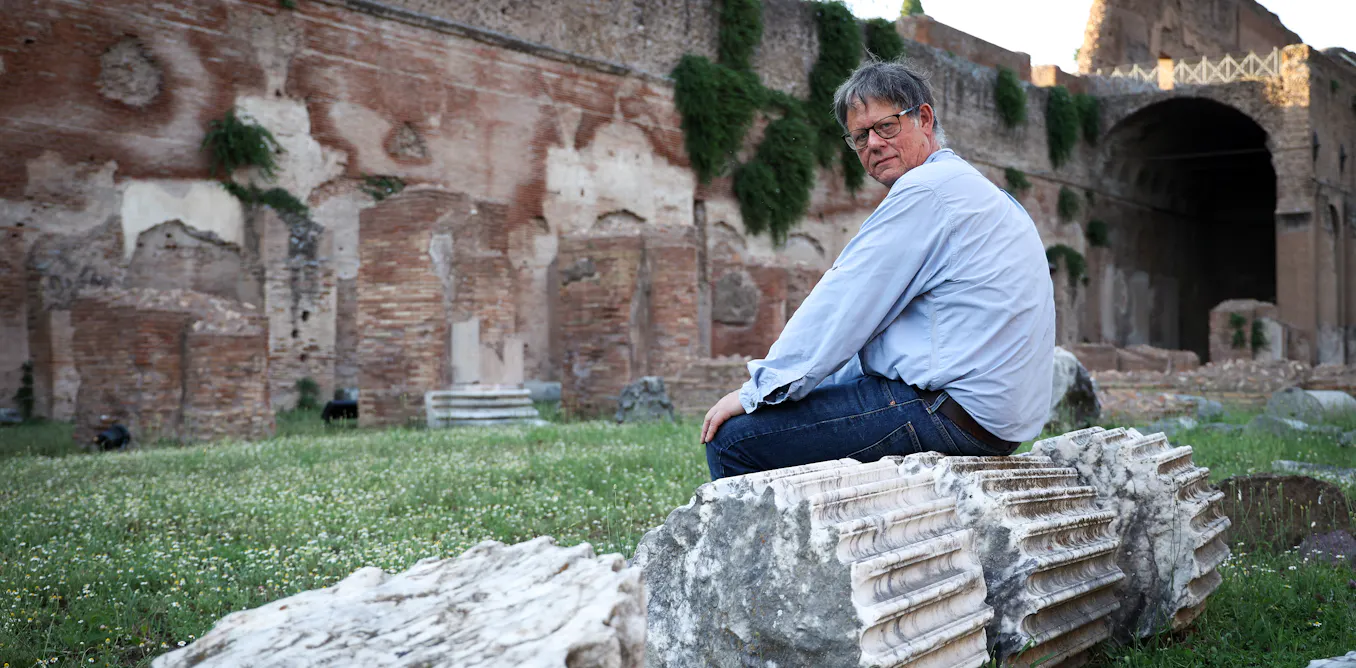
Just as the world appears to be losing its appetite for books, William T. Vollmann pens a 3,000-page novel
William T. Vollmann’s forthcoming novel, *A Table for Fortune*, arrives as public interest in long-form reading appears to decline. The 3,000-page, four-volume...
 Science
Science Behind Ice Cubes Cooling Your Drink Explained
Discover how ice cubes lower drink temperature through energy transfer and heat exchange in simple terms. Learn the physics behind cooling your beverage.
Most Read

Arunachal CM Unveils Vision 2036 for Youth Skill & Entrepreneurship Growth
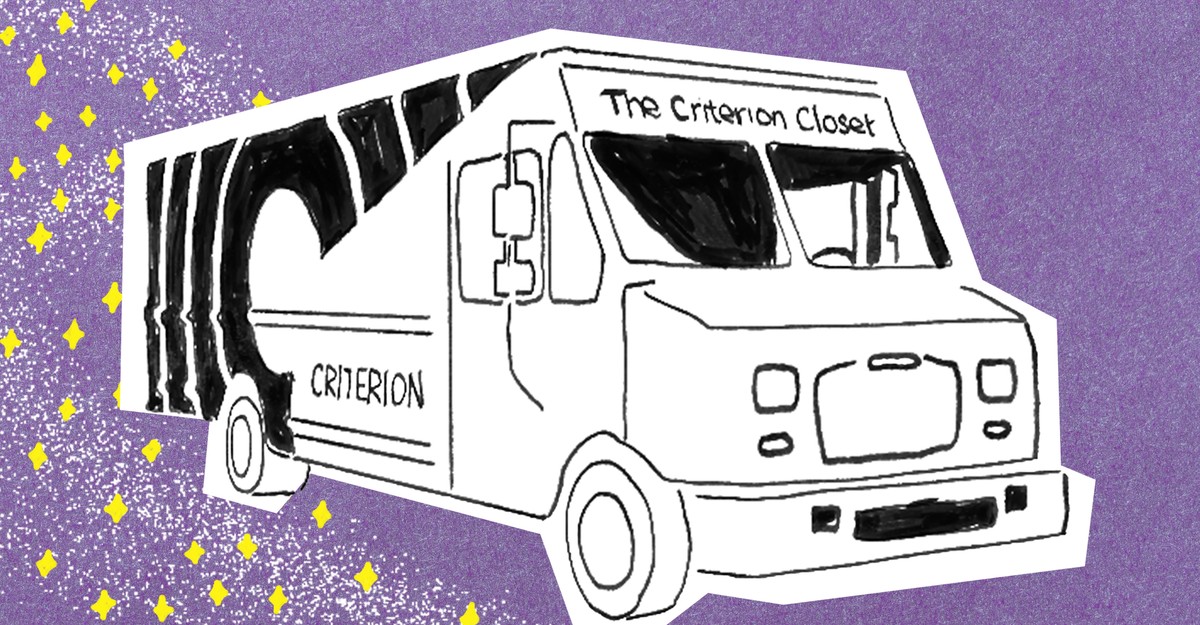
KPop Demon Hunters Joins Criterion Collection: Why the Animated Hit Stands Out

Global renewable energy investments hit $327.5B in H1 2026, solar-plus-storage surges
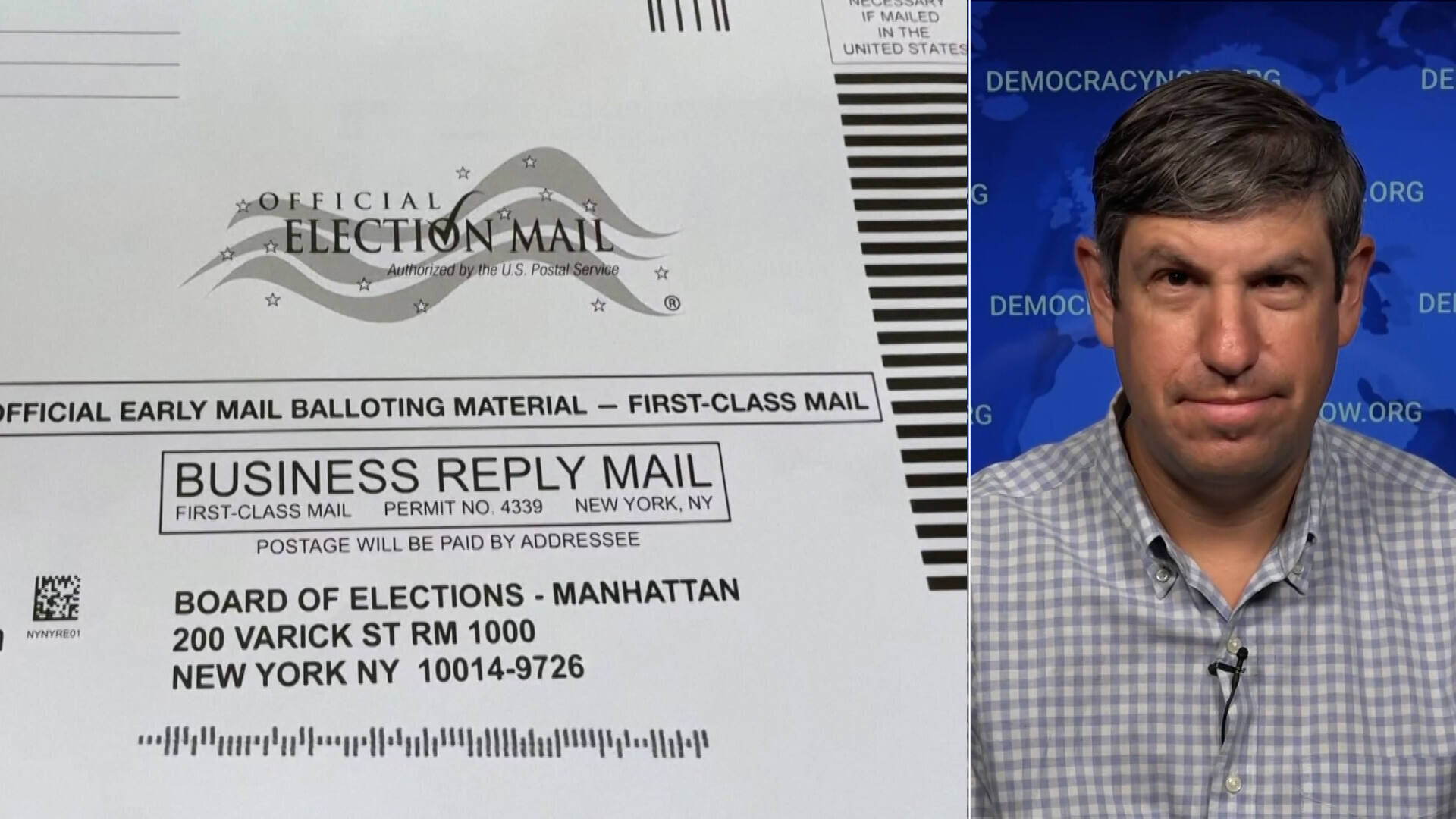
Supreme Court Allows Trump’s Mail-In Voting Restrictions to Proceed: What It Means for Midterms
