The Modern West Belongs to Valle-Inclán’s Esperpento, Not Nolan’s Odyssey
The contemporary Western political landscape increasingly resembles the grotesque caricatures of Spanish playwright Ramón María del Valle-Inclán’s *esperpento* rather than the heroic narratives of Christopher Nolan’s *Odyssey*, according to a recent analysis.
In an August 27 commentary for *Naked Capitalism*, contributor Curro Jimenez argued that modern Western democracies—particularly the United States—have devolved into a surreal, distorted reality where power is concentrated in the hands of wealthy elites who manipulate institutions to their advantage. This, Jimenez suggests, aligns more closely with Valle-Inclán’s satirical style, which exaggerated reality to expose societal decay, than with Nolan’s epic storytelling, which often celebrates individual heroism and moral clarity.
The comparison comes at a time of heightened political instability in the West, marked by rising inequality, eroding trust in institutions, and the growing influence of billionaire media owners over public policy. Jimenez’s essay critiques what he describes as a systemic effort by ultra-wealthy media moguls to undermine social safety nets, such as Social Security, to avoid higher tax burdens. This alleged campaign, he argues, reflects a broader trend of oligarchic control over governance, where economic power translates directly into political power.
The critique extends beyond the U.S., touching on broader Western trends. For instance, the European energy crisis, highlighted in recent reports, underscores how geopolitical and economic decisions—often made by unelected officials or corporate leaders—shape the lives of ordinary citizens. Similarly, the deepening U.S.-Canada trade war, fueled by protectionist policies reminiscent of the 1930s, demonstrates how historical precedents are being revived to serve contemporary power struggles.
These developments, according to Jimenez, are not isolated incidents but part of a larger pattern where democracy is being reshaped by financial elites. The result, he writes, is a political landscape that is less a grand narrative of progress and more a dark comedy of errors, where the powerful manipulate outcomes while the public bears the consequences.
The article does not quote any sources directly but synthesizes observations from broader political and economic trends. It aligns with other recent reporting on the site, which has focused on the intersection of wealth, media influence, and policy decisions, particularly in the U.S. and Europe. While the essay is opinionated, it reflects a growing sentiment among critics of unchecked corporate power that the modern West is increasingly defined by cynicism and distortion rather than idealism and progress.
Comments (0)
No comments yet — be the first to weigh in.
Related Coverage
 Business
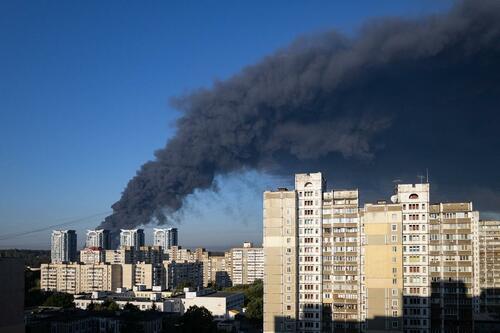
Russian Drone Strike on Kiev Ammo Depot Kills 37, Sparks Evacuations
A Russian drone strike on an ammunition depot near Kiev caused massive explosions, killing 37 and injuring dozens. Ukraine's food logistics infrastructure is 90% destroyed, raising concerns ahead of winter.
 Business
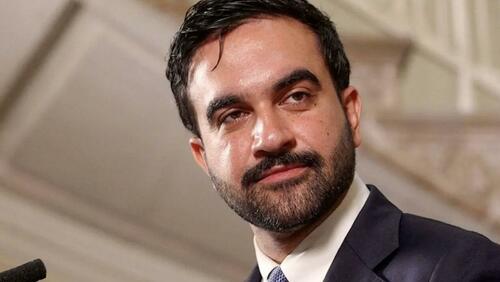
Mamdani Begs Capitalists At The Adult Table For Help
New York City Mayor Zohran Mamdani has launched a Business Advisory Council, signaling a notable shift in his approach to engaging with the city's business...
 Business
Watch: Russian Military Conducts Test Of Huge Mobile ICBM
Russia’s Defense Ministry announced Friday that its Strategic Missile Forces conducted a successful test launch of a mobile, solid-fuel intercontinental ballist...
 Business
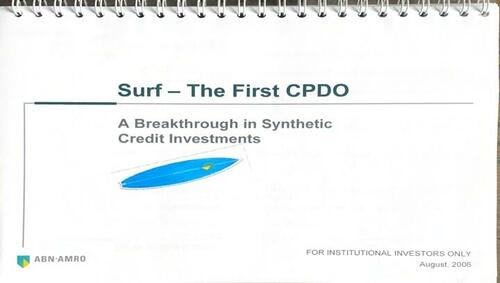
Have We Really Learnt The Lessons Of The GFC?
Two decades after the 2006 launch of the Constant Proportion Debt Obligation (CPDO), a financial product that promised AAA-rated returns while leveraging bets o...
Most Read

Three-storey building collapses at Swaminarayan temple in Prayagraj, no casualties
Kai Bird Explores Roy Cohn's Influence on Donald Trump's America
Canada's Solar Energy Growth: Provinces Chart Diverse Paths to 2035 Goals
Autumn Hill Sentenced to 50 Years in Prison for Anti-ICE Protest: A Case of Political Persecution?
