The 1915 TNR Debate: How Billionaires' Power Shaped Modern Inequality
In 1915, a debate between Jacob Schiff and Walter Lippmann in The New Republic highlighted concerns about billionaire power, philanthropy, and democratic governance that resonate today.

In December 1915, prominent financier Jacob Schiff of Kuhn, Loeb & Co. wrote to Walter Lippmann, then a young editor at The New Republic, expressing his disapproval of an article titled *An Open Letter to the Rich*. The piece, written by a teacher named John Lincoln, criticized wealth inequality and its impact on middle-class families. Schiff argued that while Lincoln’s concerns were valid, the magazine had ignored the potential benefits of concentrated wealth in the hands of philanthropic figures like John D. Rockefeller Jr. The debate between Schiff and Lippmann remains strikingly relevant today as discussions about billionaire influence, philanthropy, and economic inequality persist.
Schiff contended that Rockefeller’s vast fortune, when managed responsibly, could fund universities, research, and social institutions benefiting society as a whole. He suggested that dividing such wealth equally among Americans would do little to improve their financial security while stripping away the potential for large-scale philanthropy. Schiff’s argument reflected a belief that concentrated wealth, when wielded with social responsibility, could serve the public good.
Lippmann, however, challenged this perspective. He acknowledged Rockefeller Jr.’s philanthropic efforts but warned that such power, entrusted to private hands, posed risks to democracy. Lippmann argued that allowing a few individuals to control vast resources undermined democratic principles. He emphasized that even well-intentioned philanthropy could not replace the need for systemic economic reforms, such as progressive taxation and public investment in social welfare.
The exchange between Schiff and Lippmann anticipated modern debates about billionaire wealth and its societal impact. In July 2024, economist Daron Acemoglu publicly urged Elon Musk to pledge his fortune to charity by 2036, questioning whether such wealth should remain in private hands. While Musk responded vaguely to the challenge, Acemoglu’s proposal highlighted the same tension: Who decides how concentrated wealth is used, and does philanthropy truly democratize its power?
Contemporary examples further illustrate these concerns. The Bill & Melinda Gates Foundation, with a planned $200 billion expenditure by 2045, funds global health research and education initiatives. While its work is widely praised, the foundation’s immense resources and influence raise questions about accountability and democratic control. Similarly, in April, NPR received a $113 million donation from an anonymous donor, showcasing how private wealth can shape public institutions without transparent oversight.
The 1915 debate between Schiff and Lippmann underscores a persistent dilemma: Can concentrated wealth, even when used for philanthropy, align with democratic values? The question remains unresolved, as billionaires and philanthropic foundations continue to wield significant power over public resources.
#WealthInequality #Philanthropy #JacobSchiff #WalterLippmann #BillionaireClass #EconomicDebate #Democracy #GatesFoundation
Comments (0)
No comments yet — be the first to weigh in.
Related Coverage
 Politics
Autumn Hill Sentenced to 50 Years in Prison for Anti-ICE Protest: A Case of Political Persecution?
Activist Autumn Hill received a 50-year prison sentence for protesting outside a Texas ICE facility. Critics call her conviction a politically motivated use of terrorism charges against anti-fascist demonstrators.
 Politics
Headlines for August 26, 2026
Iran has resumed talks with Oman about managing the Strait of Hormuz while tensions in the region remain high, despite economic pressure from the United States....
 Politics
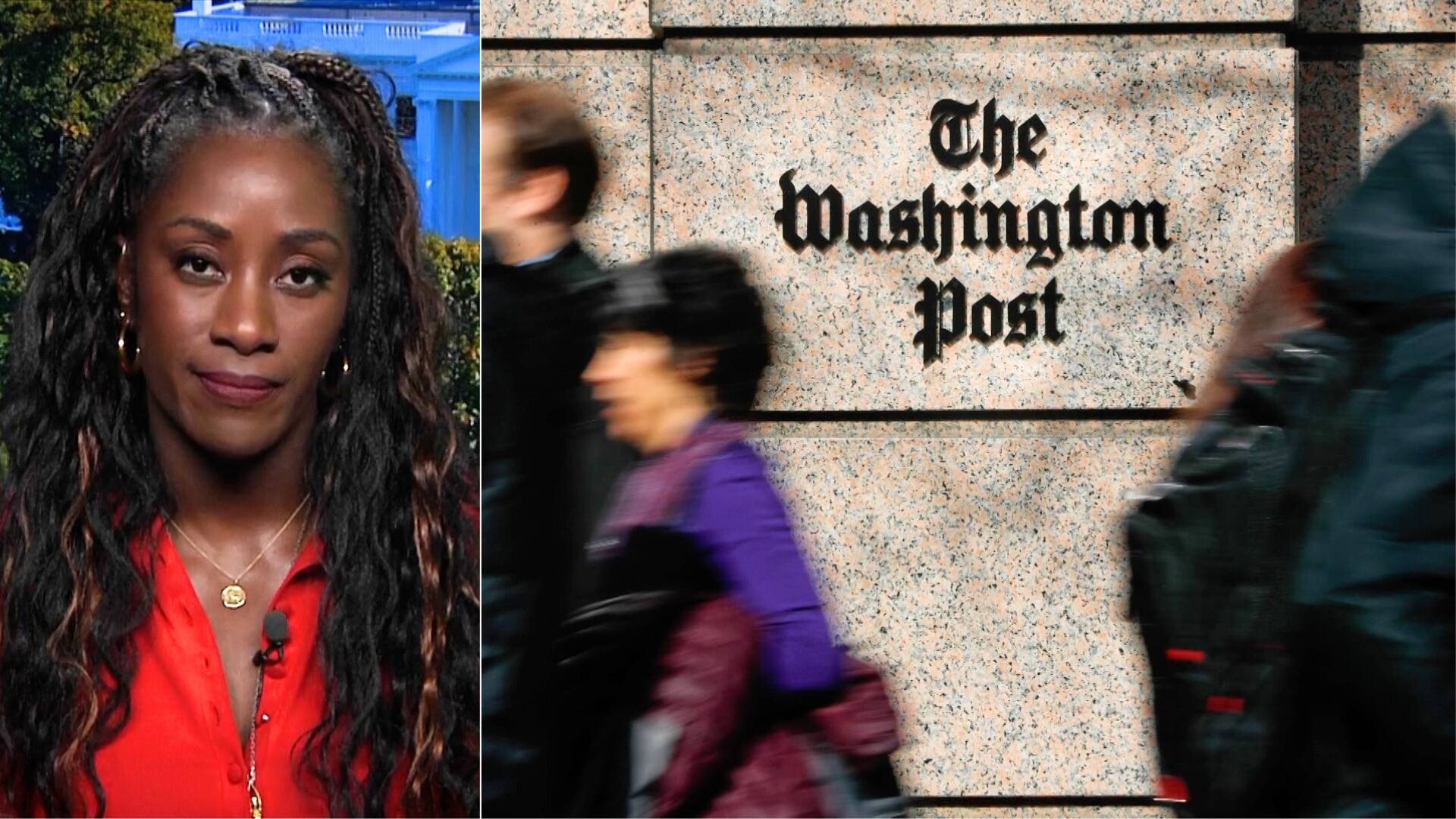
Karen Attiah Wins Reinstatement at Washington Post After Arbitration Victory
Award-winning Washington Post columnist Karen Attiah has been reinstated with back pay after an arbitrator ruled in her favor following her controversial firing over social media posts about Charlie Kirk.
 Politics
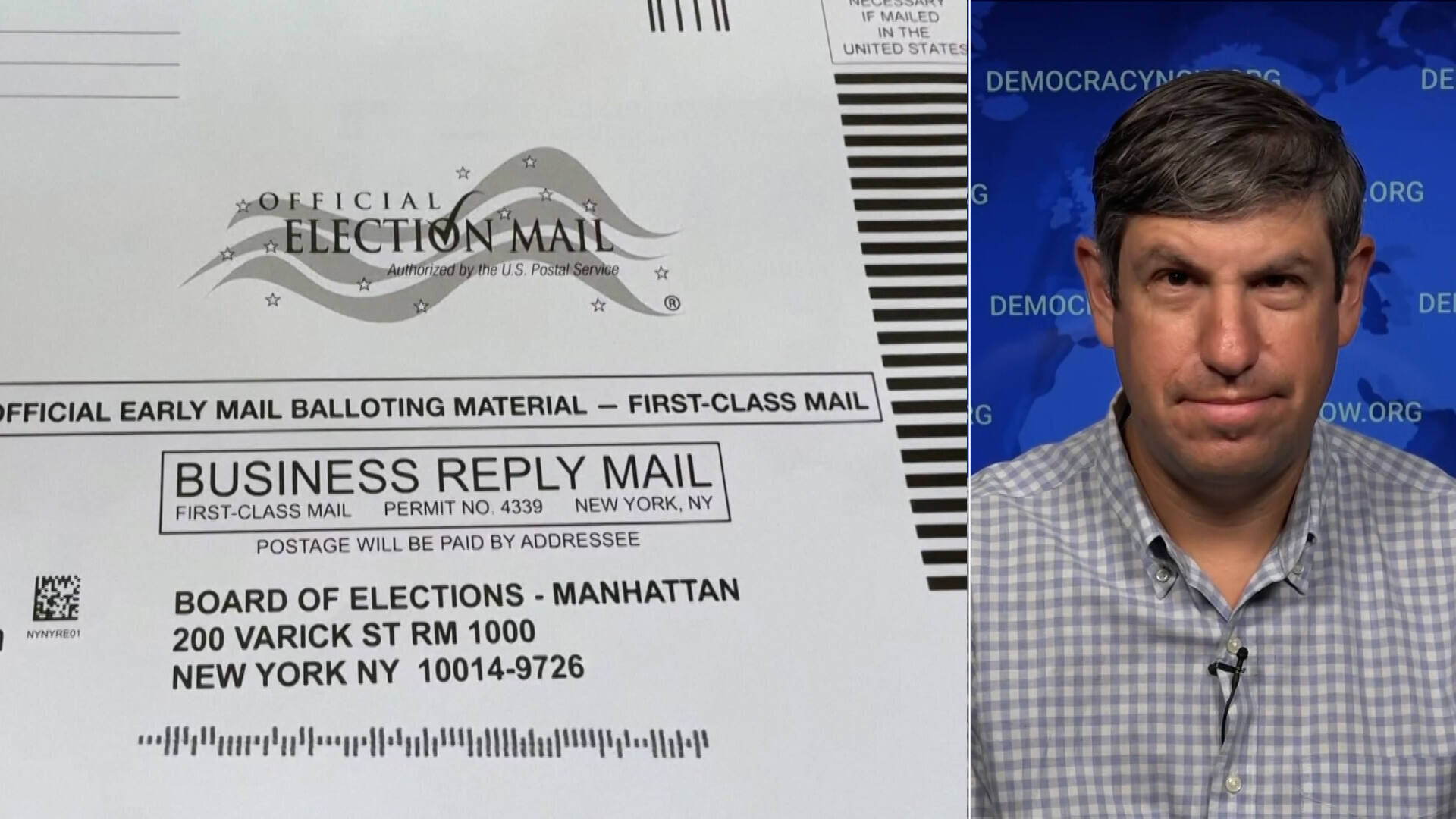
Supreme Court Allows Trump’s Mail-In Voting Restrictions to Proceed: What It Means for Midterms
The Supreme Court’s 6-3 decision lifts an injunction on Trump’s executive order restricting mail-in voting, raising concerns over potential voter disenfranchisement ahead of the midterm elections.
Most Read
Kai Bird Explores Roy Cohn's Influence on Donald Trump's America

Canada's Solar Energy Growth: Provinces Chart Diverse Paths to 2035 Goals
Autumn Hill Sentenced to 50 Years in Prison for Anti-ICE Protest: A Case of Political Persecution?

Hull City Secure 1-0 Away Win at Coventry, Maintain Perfect Premier League Start
