Rwandans love their milk bars. The health minister wishes they'd drink a little less
Rwanda's Health Minister Urges Moderation in Milk Consumption Amid Cultural Tradition
KIGALI, Rwanda — Milk bars have become a staple of daily life in Rwanda’s capital, Kigali, offering a cultural and social hub where residents gather to drink fresh, cold milk. However, health officials are now encouraging moderation in consumption, citing concerns over rising chronic diseases linked to excessive dairy intake.
The popularity of milk bars emerged as urbanization grew over the past decade. Many Rwandans moving from rural areas to cities lost direct access to dairy cows, leading to the establishment of these bars as a source of fresh milk. Today, they remain a beloved part of Rwandan culture, with cows holding deep symbolic significance as providers of prosperity.
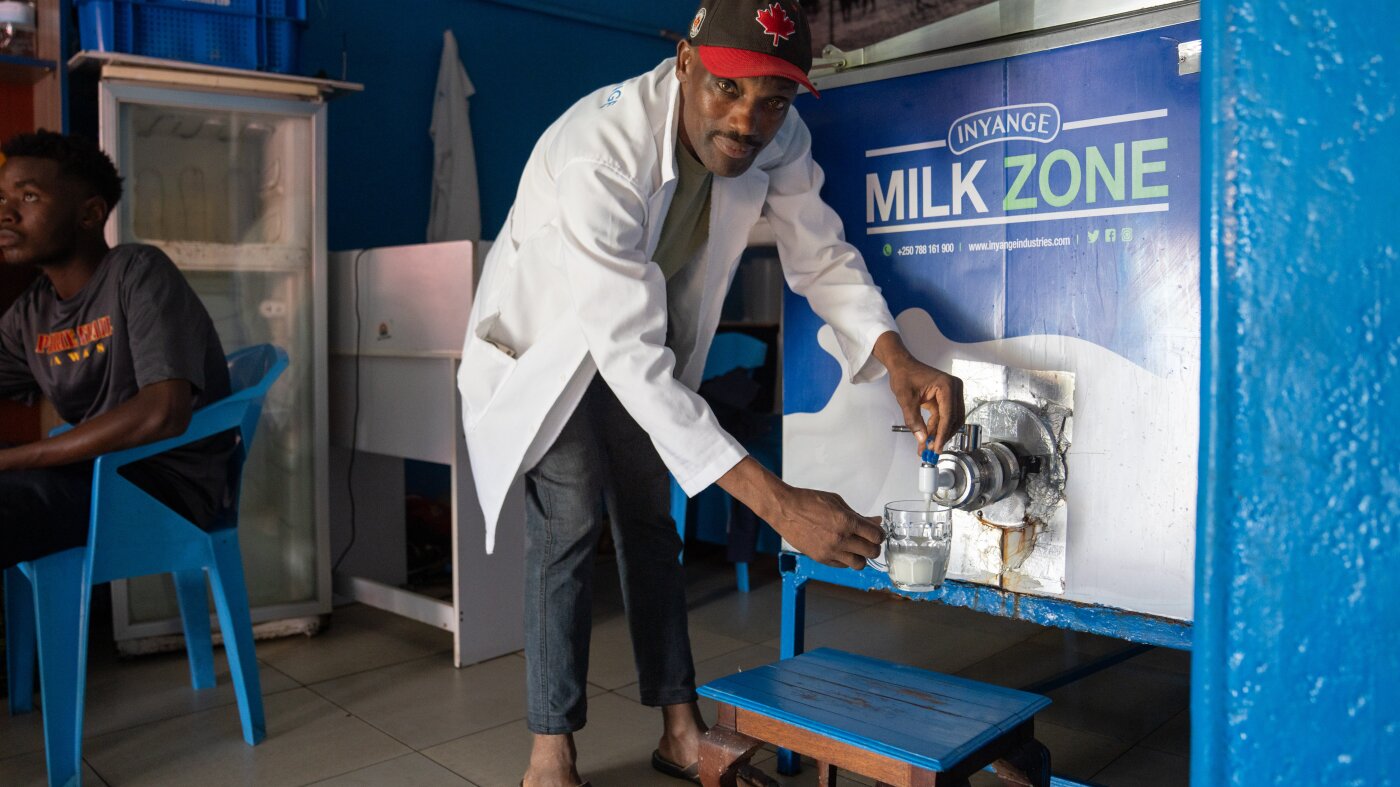
At Moses Sansiman’s Milk Zone in Kigali’s Nyamirambo sector, customers fill the street, sipping from large glass mugs. Sansiman, 52, serves pasteurized whole milk from a refrigerated tank, though some bars offer flavored or fermented varieties. Many Rwandans prefer fresh milk over packaged alternatives, viewing it as sacred. The tradition of drinking milk while seated reflects the respect accorded to cows.
Historically, cows were a measure of wealth, and well-wishing phrases often include blessings of cattle. Customers like JP Sagahutu, who drinks about four 8-ounce glasses daily, describe milk as essential to their diet, believing it to be more nutritious than water or other beverages.
However, Rwanda’s Health Minister, Dr. Sabin Nsanzimana, warns that excessive milk consumption is contributing to health challenges in urban areas. While milk provides protein and calcium, overconsumption has been linked to obesity, cardiovascular disease, and other chronic conditions. Nsanzimana recommends limiting intake to about one cup per day, emphasizing the importance of water instead.
Changing long-held cultural habits has proven difficult. Many Rwandans remain skeptical of reducing milk consumption, viewing it as a vital part of their diet. Health officials continue to promote balanced nutrition, but shifting public perception remains a challenge.
Milk bars, meanwhile, remain a fixture of Rwandan social life, blending tradition with modern urban living.
Comments (0)
No comments yet — be the first to weigh in.
Related Coverage
 World
World
Nottingham Forest Eye £40m Bid for Everton's Teenage Midfielder Harrison Armstrong
Nottingham Forest is preparing a £40m offer for 19‑year‑old Everton midfielder Harrison Armstrong, a move that could surprise the club and shock fans.
 World
World
Slow start makes me want to stay - Norris extends McLaren deal to 2030
Lando Norris has signed a contract extension with McLaren, committing to the team through at least the end of the 2030 Formula 1 season. The 26-year-old British...
 World
World
Wales NHS gender surgeries paused for review into referral numbers
The Welsh Gender Service, based at St David’s Hospital in Cardiff, has temporarily suspended all new and scheduled referrals for gender-affirming surgeries as h...
 World
World
At least 37 dead and hundreds evacuated after strike on Kyiv warehouse
At least 37 people have been killed and nearly 400 evacuated after a Russian drone strike triggered explosions at a warehouse in the Kyiv region late Friday, Uk...
Most Read

Pentagon Boat Strikes Resume; Trump Tightens Iran Sanctions; Supreme Court Ruling

'Supporters aren't always wrong' - Moyes on Everton fans' anger
CDC Reports COVID-19 Activity Is Increasing Across US
Nottingham Forest Eye £40m Bid for Everton's Teenage Midfielder Harrison Armstrong