Police Use Opioid Settlement Funds for AI Surveillance Cameras, Investigation Finds
An investigation reveals local law enforcement agencies are allocating opioid settlement funds toward AI-powered surveillance cameras instead of addiction treatment services.

Law enforcement agencies across the United States have spent opioid settlement funds on AI-powered automated license plate readers (ALPRs), including Flock Safety cameras, according to an investigation by *Mother Jones*.
State and local governments began receiving opioid settlement funds in 2022 after major pharmaceutical companies agreed to resolve lawsuits over their role in the opioid crisis. More than $50 billion in settlements will be paid out over 18 years. While public health advocates had hoped the funds would support addiction prevention, treatment, and harm reduction services, some police departments have used the money for surveillance technology instead.
A review of public records, meeting minutes, and local reports found that at least 19 law enforcement agencies in 10 states spent over $920,000 in opioid funds on Flock cameras and similar ALPR systems from competitors such as Motorola, Axon, and Verkada. The actual amount is likely higher, as tracking and disclosure of opioid settlement expenditures vary widely across jurisdictions.
Police departments have justified these purchases by claiming the cameras help combat drug trafficking. In Sunnyside, Washington, the police chief requested $24,000 in opioid funds for a mobile Flock camera trailer, citing complaints about drug use near local businesses. The city council approved the request unanimously. Officials in Ohio County, West Virginia, also spent $57,900 in opioid funds on six Flock ALPRs, with sheriff’s deputies reporting 28,000 license plate scans on a single day.
Critics argue that using opioid settlement money for surveillance technology does not align with the intended purpose of addressing addiction. Robyn Oster, policy director at the Partnership to End Addiction, stated, "It’s just really not the way to make the most impact in addressing addiction." She noted that while $50 billion may seem substantial, funds are spread thin across thousands of localities, leaving limited resources for treatment programs.
The surveillance industry has actively promoted the use of opioid funds for ALPR technology. Leonardo, a multinational security firm, described opioid settlement money as "a major new opportunity" for law enforcement to invest in license plate readers, citing their role in detecting vehicles tied to drug trafficking and overdose events.
However, concerns about privacy and oversight have led some localities to reconsider their use of Flock cameras. In Green, Ohio, the city council voted against renewing its Flock contract in 2026 due to these concerns, despite initially planning to use opioid funds to offset costs.
In Etowah County, Alabama, the sheriff’s office reimbursed the opioid settlement fund for $42,267 spent on Flock cameras, though it is unclear whether future expenses will come from opioid funds.
The use of opioid settlement money for surveillance technology has drawn criticism from advocates who argue that funds should prioritize addiction treatment and recovery services. As one advocate noted, "The funds that are supposed to go to the public to help build back and reverse the nightmare that we lived through are being appropriated to use artificial intelligence to surveil us."
Comments (0)
No comments yet — be the first to weigh in.
Related Coverage
 Politics
Autumn Hill Sentenced to 50 Years in Prison for Anti-ICE Protest: A Case of Political Persecution?
Activist Autumn Hill received a 50-year prison sentence for protesting outside a Texas ICE facility. Critics call her conviction a politically motivated use of terrorism charges against anti-fascist demonstrators.
 Politics
Headlines for August 26, 2026
Iran has resumed talks with Oman about managing the Strait of Hormuz while tensions in the region remain high, despite economic pressure from the United States....
 Politics
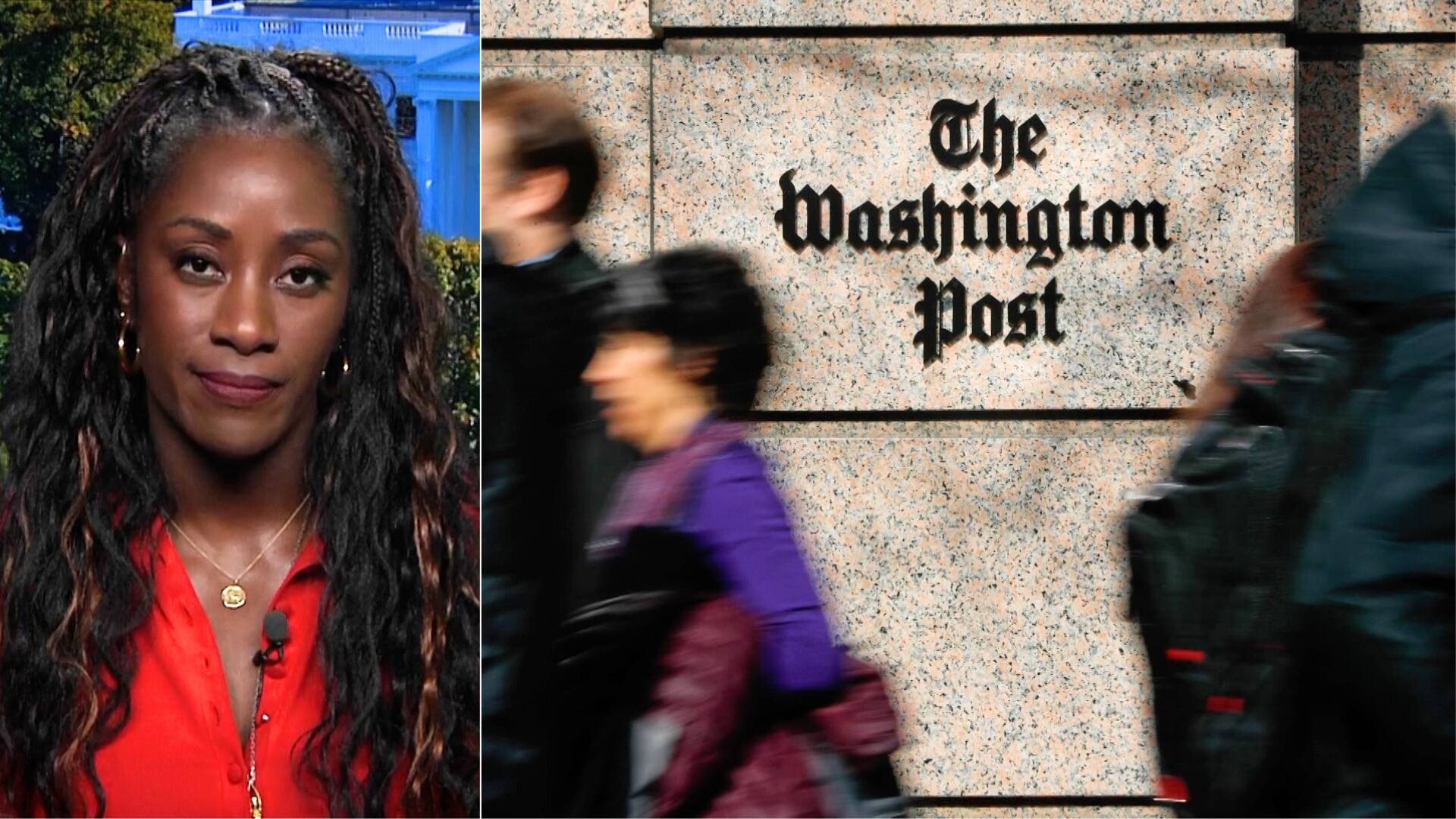
Karen Attiah Wins Reinstatement at Washington Post After Arbitration Victory
Award-winning Washington Post columnist Karen Attiah has been reinstated with back pay after an arbitrator ruled in her favor following her controversial firing over social media posts about Charlie Kirk.
 Politics
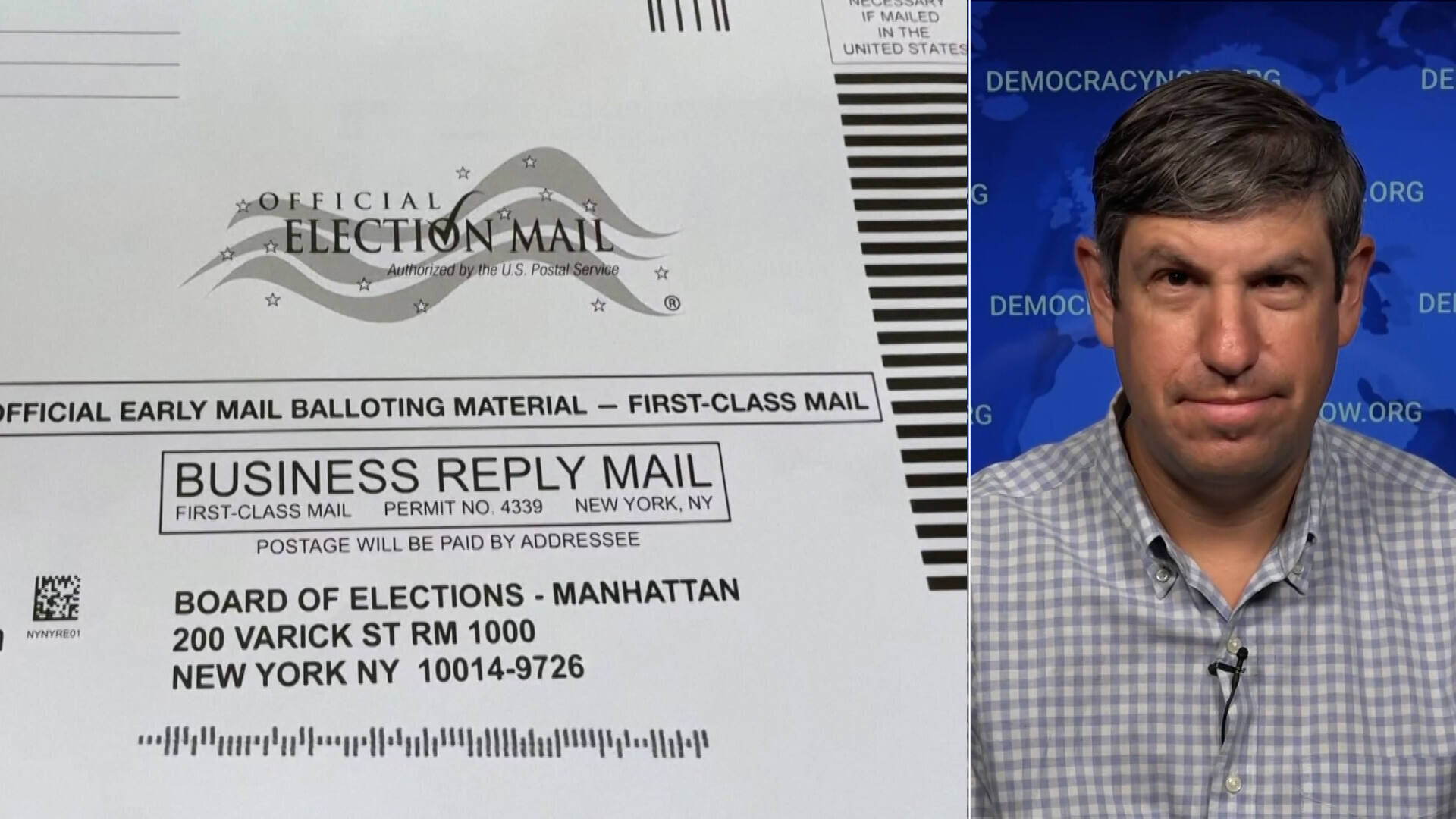
Supreme Court Allows Trump’s Mail-In Voting Restrictions to Proceed: What It Means for Midterms
The Supreme Court’s 6-3 decision lifts an injunction on Trump’s executive order restricting mail-in voting, raising concerns over potential voter disenfranchisement ahead of the midterm elections.
Most Read

Three-storey building collapses at Swaminarayan temple in Prayagraj, no casualties
Kai Bird Explores Roy Cohn's Influence on Donald Trump's America

Canada's Solar Energy Growth: Provinces Chart Diverse Paths to 2035 Goals
Autumn Hill Sentenced to 50 Years in Prison for Anti-ICE Protest: A Case of Political Persecution?
