Planned Parenthood's Medicaid Funding Restored in Many States, But Not All
While Planned Parenthood's Medicaid reimbursements have resumed in many states following a federal ban, several Republican-led states continue to block funding. Legal and budgetary barriers persist, impacting access to reproductive healthcare.

Federal funding restrictions on Planned Parenthood through Medicaid have ended, but the resumption of payments has not occurred uniformly across all states, according to a recent analysis.
The federal ban, implemented under the "One Big Beautiful Bill Act" signed by President Donald Trump in July 2025, prohibited Medicaid reimbursements for one year to family planning organizations that provided abortion services and received more than $800,000 in Medicaid reimbursements between October 2022 and September 2023. The law, which did not explicitly name Planned Parenthood, effectively targeted the organization through its specific criteria. Only Maine Family Planning and Health Imperatives in Massachusetts were similarly affected.
While the federal funding restriction has expired, the resumption of Medicaid payments to Planned Parenthood affiliates has been inconsistent. In approximately three dozen states, standard federal Medicaid reimbursement for covered services—including contraception, cancer screenings, and STI testing—should have automatically resumed following a June 2026 report by the health policy research nonprofit KFF. These states include 11 with Democratic leadership that used state funds to maintain services during the federal ban, such as California, Connecticut, Illinois, and Maine. Payments have also resumed in Republican-led states like Ohio and Pennsylvania.
However, this automatic resumption has not occurred in all states. Five states—Texas, Arkansas, Mississippi, Missouri, and South Carolina—had previously blocked Planned Parenthood’s participation in Medicaid programs, effectively excluding the organization from reimbursement for any services, including preventive care. The federal ban and its expiration did not alter this exclusion.
The legal landscape has further complicated Planned Parenthood’s Medicaid participation. The Supreme Court’s 2025 decision in *Medina v. Planned Parenthood South Atlantic* removed the ability of Medicaid patients to sue states in federal court to enforce the "free choice of provider" provision, which generally allows patients to receive care from any qualified provider. This ruling has emboldened some states to revive or implement exclusion laws that were previously blocked by federal courts.
For example, Indiana moved to vacate a 2013 court injunction blocking its 2011 law excluding Planned Parenthood from Medicaid after the *Medina* decision. The district court granted Indiana’s request in July 2026, suspending Planned Parenthood’s participation in the state’s Medicaid program pending appeal. Similar legal maneuvers are underway in other states, including Oklahoma and Nebraska, where executive orders have been issued to exclude abortion providers and related organizations from Medicaid programs.
The practical impacts of the federal funding ban have varied. Clinics in states where Medicaid funding was already blocked or where patient volume was low may not have experienced significant disruption. However, in other areas, organizations either absorbed the financial burden or reduced services, leading to long-term consequences.
Planned Parenthood reported that the funding loss contributed to nearly 30 clinic closures and approximately 250,000 fewer patient visits nationwide. Recent closures include three Michigan clinics in July 2026, a Florida clinic in February after 50 years of operation, and a Gainesville, Florida facility in June. Patients in Gainesville now face an 80-mile trip to the nearest remaining clinic in Jacksonville.
Angela Vasquez-Giroux, vice president of communications at Planned Parenthood Action Fund, stated in a June 2026 communication to *Rewire News Group* that "While the provision expired, the damage it caused doesn’t have an 'end by' date." She added that congressional Republicans were seeking to pass a permanent defunding provision before the end of the year.
Maine Family Planning, one of the only other organizations affected by the federal ban, has also faced ongoing challenges. The organization has continued to provide services despite financial strain, but its long-term stability remains uncertain as states explore new ways to restrict funding.
Comments (0)
No comments yet — be the first to weigh in.
Related Coverage
 Politics
Autumn Hill Sentenced to 50 Years in Prison for Anti-ICE Protest: A Case of Political Persecution?
Activist Autumn Hill received a 50-year prison sentence for protesting outside a Texas ICE facility. Critics call her conviction a politically motivated use of terrorism charges against anti-fascist demonstrators.
 Politics
Headlines for August 26, 2026
Iran has resumed talks with Oman about managing the Strait of Hormuz while tensions in the region remain high, despite economic pressure from the United States....
 Politics
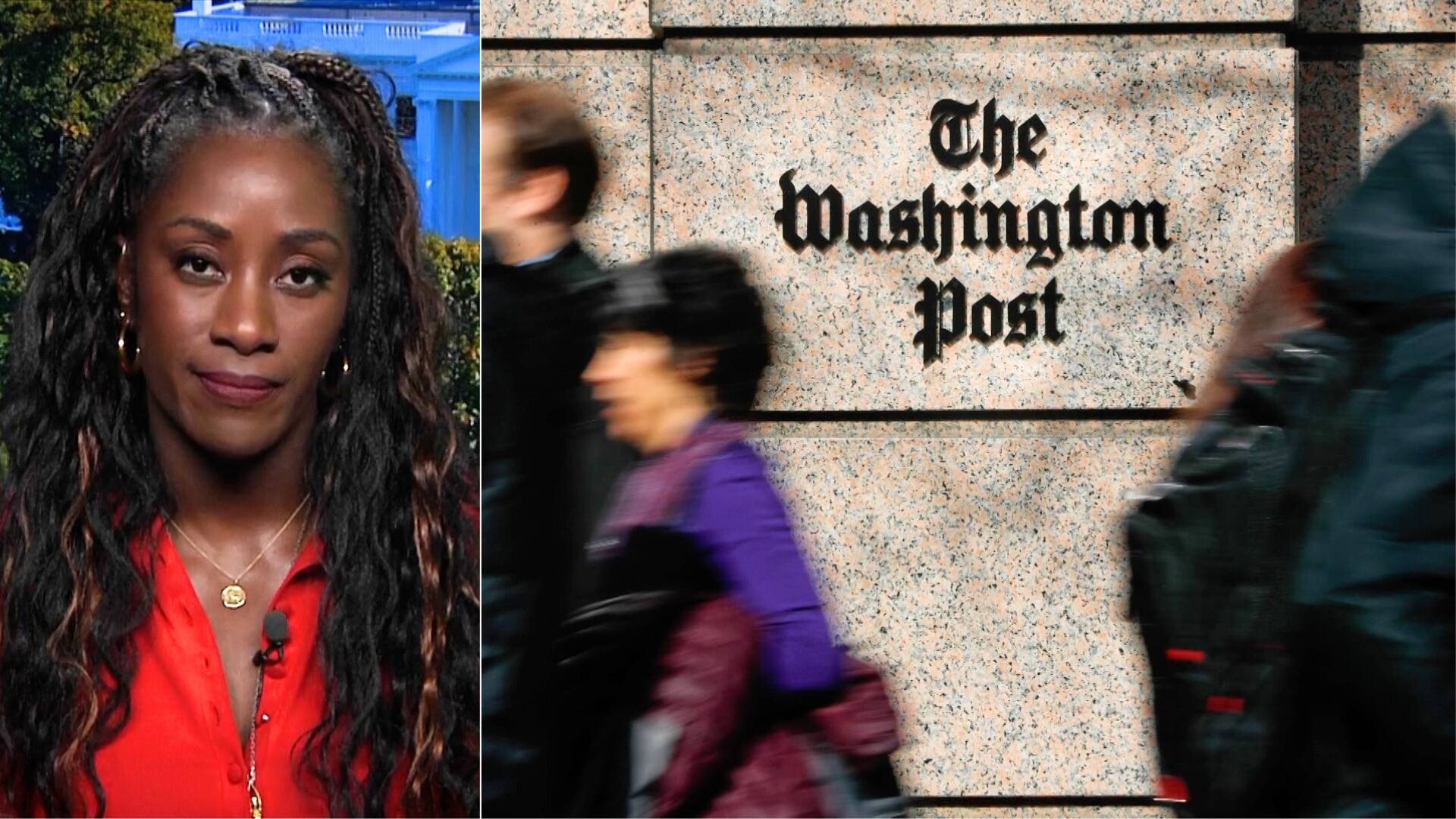
Karen Attiah Wins Reinstatement at Washington Post After Arbitration Victory
Award-winning Washington Post columnist Karen Attiah has been reinstated with back pay after an arbitrator ruled in her favor following her controversial firing over social media posts about Charlie Kirk.
 Politics
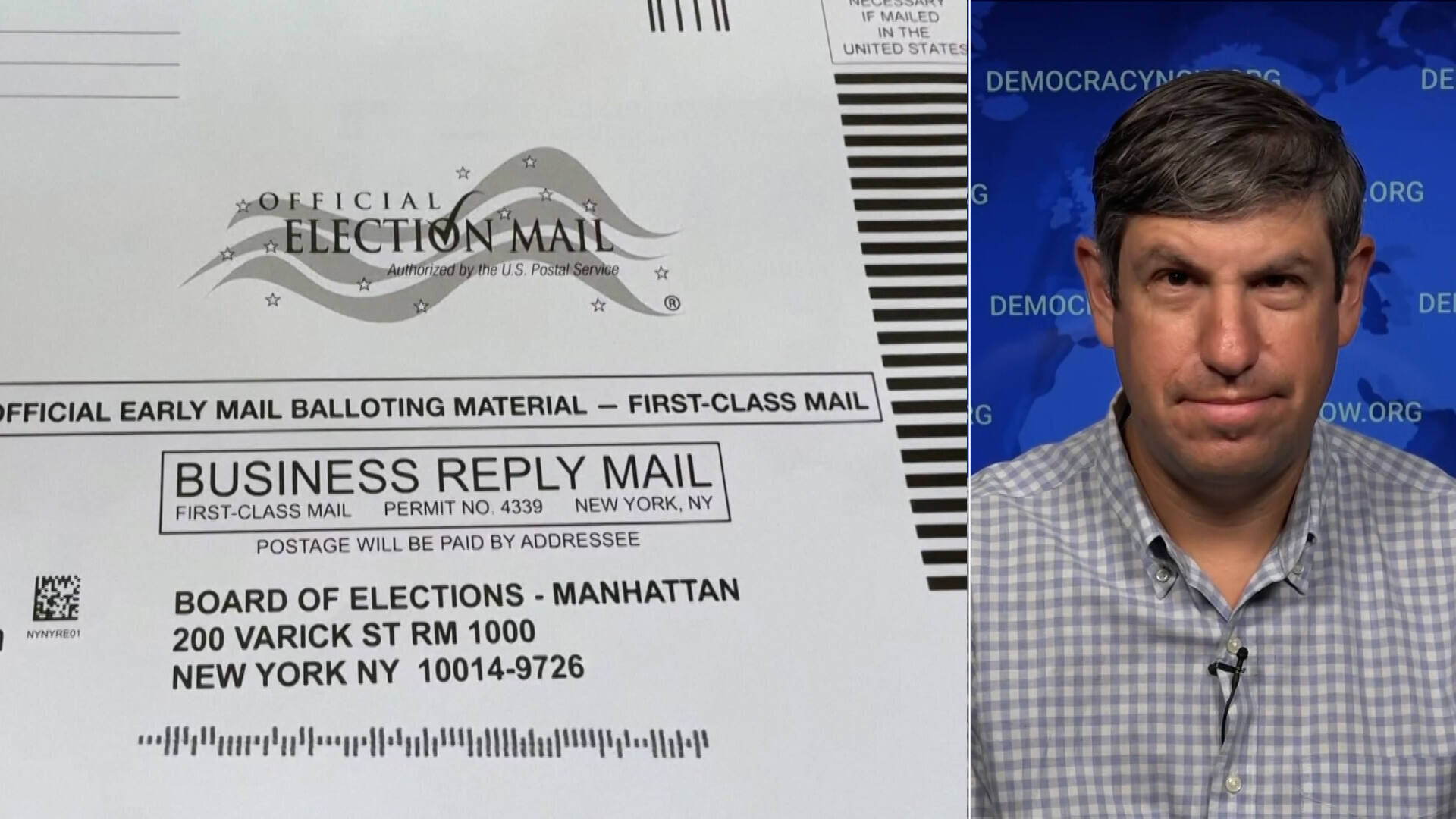
Supreme Court Allows Trump’s Mail-In Voting Restrictions to Proceed: What It Means for Midterms
The Supreme Court’s 6-3 decision lifts an injunction on Trump’s executive order restricting mail-in voting, raising concerns over potential voter disenfranchisement ahead of the midterm elections.
Most Read

Three-storey building collapses at Swaminarayan temple in Prayagraj, no casualties
Kai Bird Explores Roy Cohn's Influence on Donald Trump's America

Canada's Solar Energy Growth: Provinces Chart Diverse Paths to 2035 Goals
Autumn Hill Sentenced to 50 Years in Prison for Anti-ICE Protest: A Case of Political Persecution?
