New School's Progressive Legacy Under Threat Amid Faculty Cuts and Financial Woes
The historic New School in NYC faces financial struggles and leadership decisions that threaten its progressive mission, faculty layoffs, and program closures, sparking broad academic and public concern.

The New School, a historic progressive institution in New York City, faces an existential crisis as new leadership implements sweeping cuts to faculty and academic programs. Founded in 1919 by academics opposing wartime censorship, the university has long been a bastion of free thought, hosting intellectual refugees and fostering critical inquiry. Recent leadership, however, has prioritized financial restructuring over its legacy, raising concerns about the school’s future.
The university’s financial difficulties are real, with nearly $50 million in losses reported this fiscal year. Administrators cite declining enrollment—a 20 percent drop since 2021—as the primary cause, though critics argue mismanagement and poor recruitment strategies have exacerbated the situation. Executive compensation has risen sharply, while faculty and staff face layoffs and forced retirements. Tenured professors, including those in humanities and social sciences, have been terminated—some abruptly in June—despite strong performance records.
The administration frames these changes as necessary restructuring, but faculty and students describe a punitive approach. Dozens of positions have been eliminated, including the indefinite discontinuation of the history department, where one professor has taught since 2008. Part-time instructors, lacking job security, have also been disproportionately affected. The cuts follow a pattern seen in other universities, where financial pressures are used to justify austerity measures that undermine academic freedom and institutional integrity.
The broader implications extend beyond the New School. Similar restructuring efforts—driven by neoliberal austerity and corporate management models—are reshaping higher education nationwide. Administrators increasingly wield restructuring as a tool to eliminate tenured faculty, reallocate resources toward marketable programs, and consolidate power under centralized leadership. Critics warn that these trends weaken universities’ role as democratic institutions, replacing critical inquiry with market-driven priorities.
Faculty governance structures have been sidelined in the process. Committees spent months drafting reports on curriculum and university life, only to be ignored as administration-led "workforce reduction" initiatives took precedence. The language of "innovation" and "dynamism" has been repurposed to justify program closures, with interdisciplinary collaboration now invoked to dismantle departments rather than foster intellectual exchange.
The human cost of these changes is already evident. Longtime faculty, some still decades from retirement eligibility, face loss of healthcare and livelihoods. Students navigate uncertainty over canceled programs and disappearing courses, while surviving faculty worry about further cuts. Tenure, long a cornerstone of academic freedom, has been undermined, signaling a broader erosion of protections for scholars.
The New School’s crisis reflects larger pressures on higher education, where financial exigency is increasingly used to justify drastic measures. As administrators embrace corporate restructuring models, the institution’s progressive legacy—and the values of free inquiry it once championed—hang in the balance. Whether the New School can reclaim its mission remains uncertain, but the outcome will have implications far beyond its Greenwich Village campus.
Comments (0)
No comments yet — be the first to weigh in.
Related Coverage
 Politics
Autumn Hill Sentenced to 50 Years in Prison for Anti-ICE Protest: A Case of Political Persecution?
Activist Autumn Hill received a 50-year prison sentence for protesting outside a Texas ICE facility. Critics call her conviction a politically motivated use of terrorism charges against anti-fascist demonstrators.
 Politics
Headlines for August 26, 2026
Iran has resumed talks with Oman about managing the Strait of Hormuz while tensions in the region remain high, despite economic pressure from the United States....
 Politics
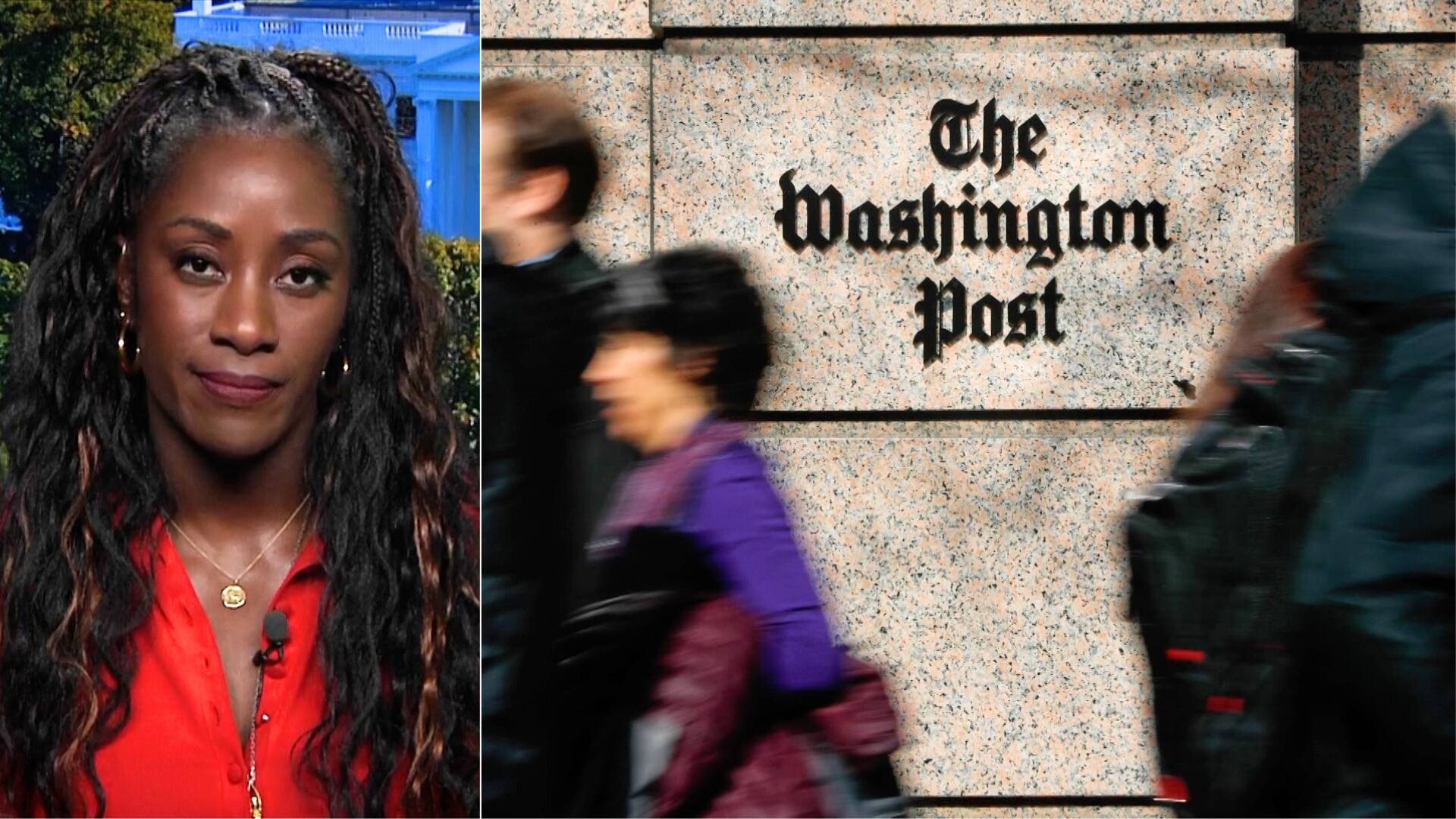
Karen Attiah Wins Reinstatement at Washington Post After Arbitration Victory
Award-winning Washington Post columnist Karen Attiah has been reinstated with back pay after an arbitrator ruled in her favor following her controversial firing over social media posts about Charlie Kirk.
 Politics
Supreme Court Allows Trump’s Mail-In Voting Restrictions to Proceed: What It Means for Midterms
The Supreme Court’s 6-3 decision lifts an injunction on Trump’s executive order restricting mail-in voting, raising concerns over potential voter disenfranchisement ahead of the midterm elections.
Most Read

Three-storey building collapses at Swaminarayan temple in Prayagraj, no casualties
Kai Bird Explores Roy Cohn's Influence on Donald Trump's America

Canada's Solar Energy Growth: Provinces Chart Diverse Paths to 2035 Goals
Autumn Hill Sentenced to 50 Years in Prison for Anti-ICE Protest: A Case of Political Persecution?
