Michael Hudson: The Long Trajectory of Debt Dynamics, Aristocracies, War Finance and Wealth Destruction
Economist Michael Hudson has highlighted the escalating role of debt in shaping economic policy, political power structures and military spending in the United States. In a recent analysis published by Naked Capitalism, Hudson argues that the growing entanglement of finance, politics and warfare is reshaping wealth distribution and threatening social stability. His commentary comes amid rising public concern over rising debt levels, inflation and the influence of corporate interests in government.
Hudson, a distinguished professor of economics and president of The Institute for the Study of Long-Term Economic Trends, points to a historical pattern in which rising public debt has often led to the concentration of wealth among financial elites. He warns that today’s debt-driven policies may be paving the way for a new “businessman-politician” class, where corporate leaders increasingly hold political office and shape policy to their advantage. This trend, he suggests, undermines democratic institutions and skews economic priorities toward short-term profit over long-term stability.
The economist also draws parallels between modern U.S. fiscal strategies and historical episodes of financial instability, including the rise of aristocratic classes in ancient societies and the collapse of economies due to unsustainable debt burdens. In particular, Hudson examines how military spending—often financed through debt—has become a tool for wealth preservation among defense contractors and financial institutions, while shifting the burden to taxpayers and future generations.
Meanwhile, geopolitical tensions are intensifying alongside these economic shifts. Reports indicate that Europe is entering winter with natural gas storage levels at their lowest in two decades, raising concerns about energy security and price volatility. Disputes between Morocco and Spain over the Ceuta border have also escalated, signaling broader instability in North Africa. In the Arctic, Russia is advancing its Northern Sea Route as a strategic shipping corridor, further complicating global trade dynamics.
Domestically, economic policies are sparking new trade conflicts. The Trump administration has revived a Depression-era trade tool, Section 301 of the Trade Act of 1974, to impose tariffs on Canadian goods. The move has deepened a trade war between the U.S. and Canada, raising concerns about consumer prices, supply chain disruptions and the impact on midterm elections. Analysts warn that such protectionist measures could backfire, hurting American industries reliant on cross-border trade and inflating costs for everyday goods.
Hudson’s analysis underscores the interconnected nature of debt, power and geopolitics, suggesting that without structural reform, the U.S. economy may face prolonged instability and inequality. His work calls attention to the urgent need for policy changes that prioritize equitable growth, fiscal responsibility and diplomatic solutions over militarization and financial extraction.
#EconomicPolicy #USPolitics #MichaelHudson #DebtCrisis #TradeWar #Geopolitics #EnergySecurity
Comments (0)
No comments yet — be the first to weigh in.
Related Coverage
 Business
Have We Really Learnt The Lessons Of The GFC?
Two decades after the 2006 launch of the Constant Proportion Debt Obligation (CPDO), a financial product that promised AAA-rated returns while leveraging bets o...
 Business
Cheltenham Craft Shop Launches £5k Crowdfunder to Keep Doors Open
Three co‑owners of Cheltenham’s Kiwi Fruit is Cute crafting shop have launched a £5,000 crowdfunding campaign to cover doubled overheads following their recent move.
 Business
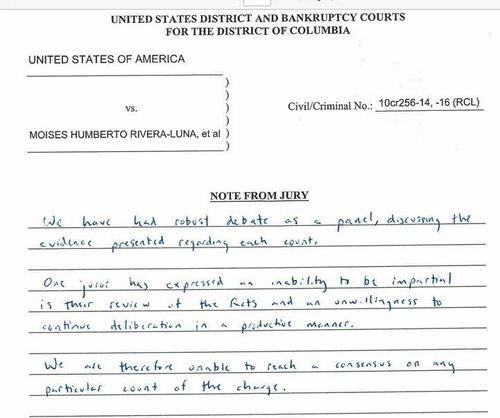
DC Jury Mistrials Over MS-13 Leaders Highlight Judicial Challenges
Two extradited MS‑13 leaders face repeated DC jury mistrials, raising questions about impartiality, judge Royce Lamberth’s rulings and the DOJ’s strategy.
 Business
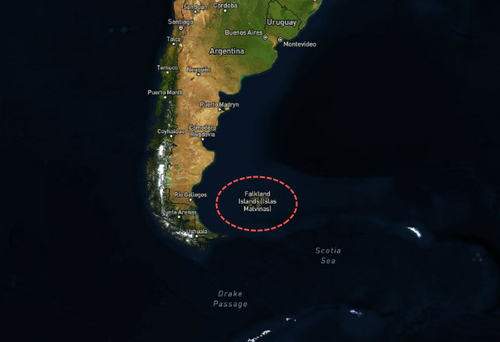
US Uses Falklands Leverage to Pressure UK Over NATO Defense Spending Target
Explore how the US is reportedly using the Falkland Islands as leverage to push Britain to meet NATO's new defense spending target of 5% of GDP by 2035. Analysis of Trump administration tactics and UK's current defense budget.
Most Read

Arunachal CM Unveils Vision 2036 for Youth Skill & Entrepreneurship Growth

KPop Demon Hunters Joins Criterion Collection: Why the Animated Hit Stands Out
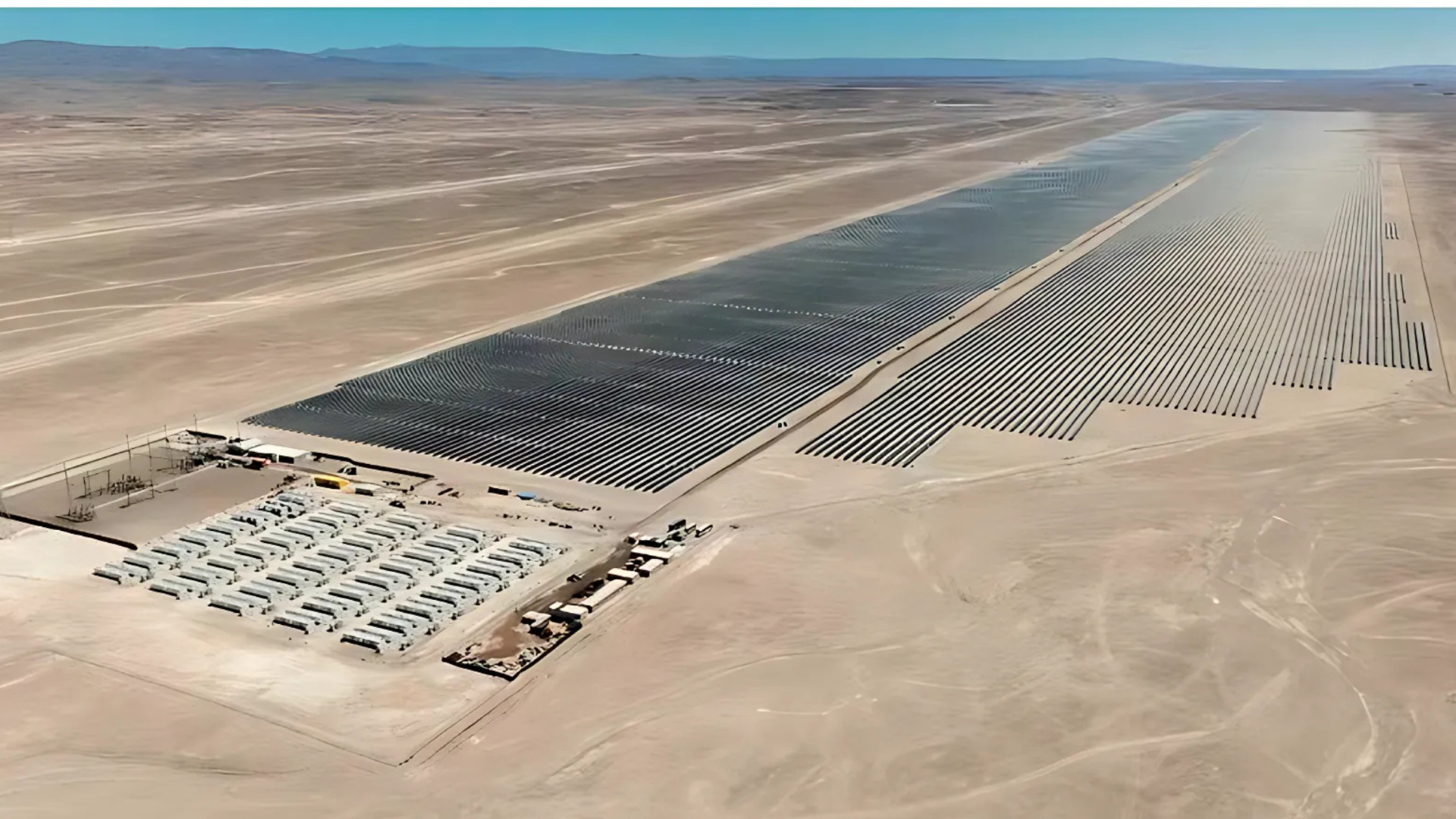
Global renewable energy investments hit $327.5B in H1 2026, solar-plus-storage surges
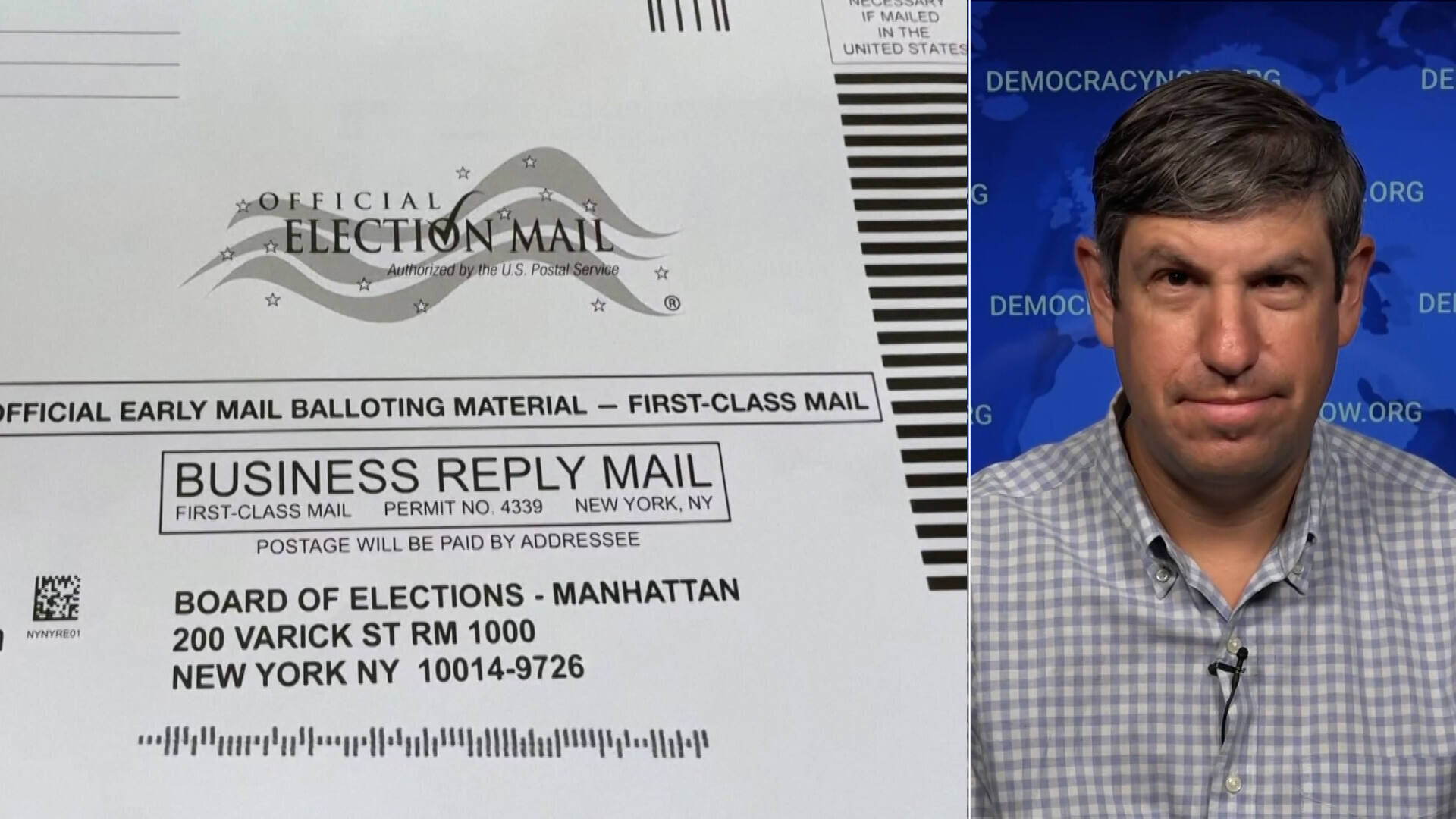
Supreme Court Allows Trump’s Mail-In Voting Restrictions to Proceed: What It Means for Midterms
