Lactose Intolerance: A 1960s 'Invention' That Reinforced Racial Bias
Scientists in the 1960s framed lactose intolerance as a defect, linking it to race and boosting dairy demand. The article traces how this bias fuels racism today.
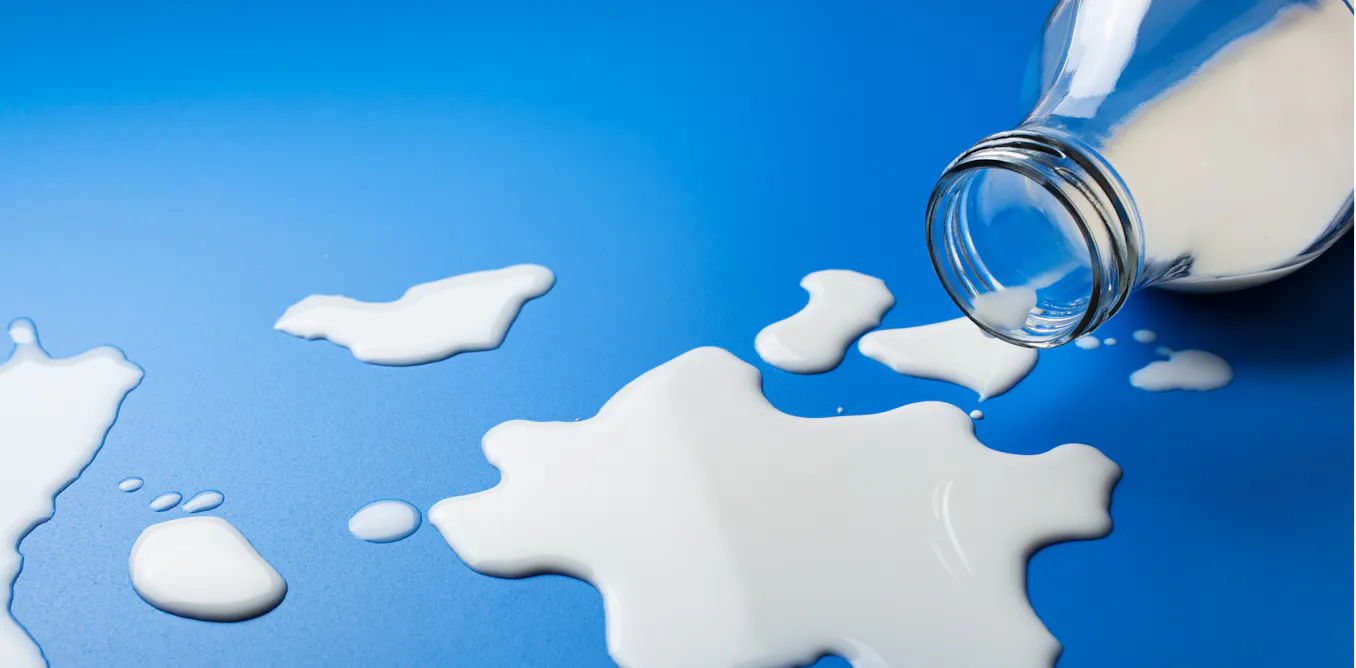
Most people around the world are lactose intolerant, a natural biological trait that became widely recognized in the 1960s. Yet the idea that lactose intolerance is a defect was shaped by mid-20th-century U.S. dairy policy, Cold War food aid, and racial assumptions in nutrition science. Researchers initially framed the condition as an “inborn error” after observing symptoms in Black prisoners and other groups consuming subsidized milk. Over time, experts confirmed that lactose intolerance is the human norm, with tolerance concentrated in populations of northern European descent. Despite this, government programs and global dietary guidelines continue to prioritize dairy, reinforcing a form of nutritional imperialism that treats white bodies as the standard.
In the 1950s, U.S. dairy producers faced a surplus after World War II. The federal government intervened, purchasing excess milk to distribute through school lunch programs and public food aid. As milk became more accessible, many children and adults—especially in allied nations like Japan and Taiwan—began consuming dairy for the first time. Reports of bloating, nausea, and diarrhea followed. Scientists launched studies, including a 1966 Baltimore experiment comparing lactose digestion in Black and white incarcerated individuals. Findings showed lower lactase enzyme levels in Black participants, leading researchers to describe their condition as a metabolic defect.
Subsequent research revealed a broader truth: lactose intolerance is a normal physiological state in most adults. A 1981 statement by the National Institutes of Health clarified that only certain ethnic groups—primarily those of northern European ancestry—retain the ability to digest lactose after infancy. Yet the earlier framing persisted in public health policy and food guidelines. The U.S. Department of Agriculture’s dietary recommendations continued to emphasize dairy consumption, while organizations like the Chinese Nutrition Society placed milk prominently in national food guides despite high rates of intolerance among Han Chinese.
This pattern reflects nutritional imperialism, a concept describing how Western dietary standards are imposed globally as universal norms. Historically, white, meat-rich diets were idealized while rice, wheat alternatives, and plant-based eating were marginalized. Differences in body chemistry—like Asian flush after alcohol—were similarly labeled deficiencies rather than natural variations. Racist ideologies have since weaponized these classifications, with white supremacists using lactose tolerance maps to claim racial superiority.
Public health experts now acknowledge that lactose intolerance is not a disease. Yet outdated labels persist in medical advice, school menus, and marketing campaigns promoting lactose-free alternatives. The key takeaway remains simple: if dairy agrees with you, consume it; if not, there is no medical or moral reason to do otherwise. Biological variation is normal—and should not be framed as deficiency.
#LactoseIntolerance #DairyDigestibility #NutritionScience #RacialBiasInHealth #PublicHealthHistory #USDA #ColdWarFoodPolicy #HumanBiology
Comments (0)
No comments yet — be the first to weigh in.
Related Coverage
 Science
DSM-6 to Integrate Biology in Mental Health Diagnosis for First Time
The DSM-6 will incorporate biological factors for the first time, marking a shift towards evidence-based psychiatry. Explore the challenges and advancements in neurobiology shaping the next edition.
 Science
Islanders asked to report sightings of rare eel
Islanders Urged to Report Sightings of Critically Endangered European Eel in Guernsey Guernsey’s Nature Commission is appealing to residents to report sightings...
 Science
The importance of teaching students what AI can’t do
The growing role of artificial intelligence in education raises concerns about over-reliance on AI tools and the potential erosion of critical thinking skills a...
 Science
More protein in your breakfast or snacks won’t give you more muscle without more work – a biologist separates the science from the marketing
The modern breakfast aisle looks dramatically different than it did a generation ago, with protein-enriched cereal, bread, chips, and even Pop-Tarts now crowdin...
Most Read

Three-storey building collapses at Swaminarayan temple in Prayagraj, no casualties
Kai Bird Explores Roy Cohn's Influence on Donald Trump's America

Canada's Solar Energy Growth: Provinces Chart Diverse Paths to 2035 Goals

Autumn Hill Sentenced to 50 Years in Prison for Anti-ICE Protest: A Case of Political Persecution?
