Kanazawa Firefighters Urge No Shoe Rearrangement During Paramedic Calls
Kanazawa fire department warns residents not to shuffle paramedics’ shoes at homes, as it can delay emergency response and patient transport.
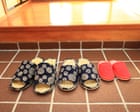
Kanazawa fire department officials have issued a warning to residents: do not rearrange the shoes left by paramedics when they enter a home during an emergency. The department says the act can slow a critical rescue operation by up to 30 seconds, a delay that could cost lives.
The advice came after a video posted on 5 August by a Kanazawa fire crew reached more than half a million views on Instagram. In the clip, firefighters show how paramedics keep their shoes in a specific orientation at the entrance of a house. The shoes are positioned so that three stretcher‑bearers can step directly into them without moving the patient or dislodging an oxygen mask. The firefighters explain that the shoes’ placement is part of a routine that allows the crew to move quickly and safely.
In Japan, it is customary for people to remove their shoes before entering a private home, and homeowners often rearrange guests’ footwear to face the doorway for easy exit. The fire department’s message is that this politeness can backfire during a medical emergency. “Emergency crews decide the direction of their shoes according to their roles,” firefighter Daisuke Yamashita told TBS News Dig. “If someone changes their position out of kindness, it can interfere with putting them back on and delay the transport of the patient. From our experience, it can result in a loss of about 30 seconds.” Yamashita added that while the department appreciates the thoughtfulness of straightening shoes, it would be more useful for residents to prepare a patient’s My Number card or other identification in advance.
The video and accompanying text have sparked a mix of responses on social media. Many commenters thanked the fire department for the reminder. One user wrote, “I didn’t know this. I will remember this for the future!” Another, who received more than 800 likes, suggested that strict etiquette could be set aside in emergencies: “It’s an emergency. I would just tell them: ‘Please step inside with your shoes on!’”
The fire department’s advice reflects a broader tension between traditional Japanese manners and the practical demands of emergency services. While the practice of shoe removal and rearrangement is deeply ingrained, the department stresses that in life‑saving situations, small gestures of courtesy can become obstacles.
Kanazawa, the central city on Japan’s Hokuriku coast, is home to a sizeable emergency services network that includes fire, ambulance and police units. The city’s fire department, which has operated since the 17th century, has a reputation for community outreach and public education. This latest campaign is part of a series of initiatives aimed at improving response times and ensuring that residents understand the logistics of emergency operations.
The Instagram video shows paramedics placing their shoes in a neat row at the front door. Each shoe is angled to match the direction that stretcher bearers will approach, allowing them to step straight in without having to move the patient or adjust the oxygen mask. The crew explains that any alteration to this setup can cause confusion and slow the team’s movement, especially when carrying a patient on a stretcher.
The fire department’s message also emphasizes the importance of having patient identification ready. In many Japanese households, the My Number card—a national social‑security identification card—is stored in a safe place. Yamashita urged residents to keep this card, along with other medical records, in an easily accessible location. “During an emergency, it is extremely helpful if people instead prepare the patient’s My Number card or another form of identification in advance,” he said.
The video’s popularity underscores the public’s interest in how cultural practices intersect with emergency response. While the tradition of shoe removal remains a staple of Japanese hospitality, the fire department’s call for a temporary suspension of this practice during emergencies highlights the need for flexibility in crisis situations.
In summary, the Kanazawa fire department has cautioned residents not to rearrange the shoes left by paramedics at home entrances during emergencies. The warning, based on a 30‑second potential delay, is illustrated by a widely viewed Instagram video showing the crew’s shoe‑placement protocol. Firefighter Daisuke Yamashita explained that the arrangement is critical for efficient patient transport and that residents should instead focus on preparing identification documents. The public response has been largely supportive, with many thanking the department for the practical advice and some suggesting that etiquette be relaxed in urgent situations.
Comments (0)
No comments yet — be the first to weigh in.
Related Coverage
 World
World
Slow start makes me want to stay - Norris extends McLaren deal to 2030
Lando Norris has signed a contract extension with McLaren, committing to the team through at least the end of the 2030 Formula 1 season. The 26-year-old British...
 World
World
Wales NHS gender surgeries paused for review into referral numbers
The Welsh Gender Service, based at St David’s Hospital in Cardiff, has temporarily suspended all new and scheduled referrals for gender-affirming surgeries as h...
 World
World
At least 37 dead and hundreds evacuated after strike on Kyiv warehouse
At least 37 people have been killed and nearly 400 evacuated after a Russian drone strike triggered explosions at a warehouse in the Kyiv region late Friday, Uk...
 World
World
Sarah Ferguson Expected to Return to UK Soon, Source Says
Former Duchess of York Sarah Ferguson, who lost her royal titles amid the Epstein scandal, is expected to return to the UK soon, a source told the BBC.
Most Read

Tottenham Hotspur sign Omar Marmoush on loan from Man City with permanent deal option

Nepal Flash Floods Death Toll Rises to 626, Over 2,400 Missing
Nicole Rifkin’s New Yorker Cover Honors Dolly Parton’s Legacy

Machine Learning Boosts Irradiance Prediction for Bifacial Solar Panels