Iran's Ghalibaf Declares Persian Gulf Oil Flows For 'All Or None'
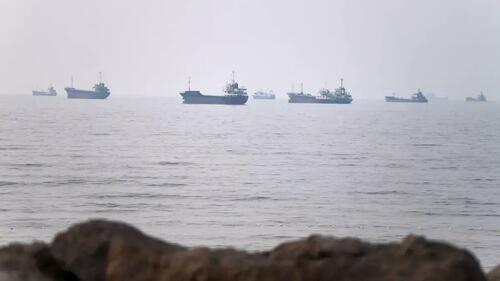
Iranian Parliament Speaker Mohammad Bagher Ghalibaf on August 28 declared that either all Persian Gulf nations must be permitted to export oil freely or none will, warning that regional security hinges on the removal of U.S. forces from the area. Speaking at a press briefing in Tehran, Ghalibaf framed the situation in the Strait of Hormuz as a zero-sum proposition: “The equation of this war is clear: either all or none,” adding that if Iran’s security is not guaranteed, no critical infrastructure in the region will remain safe. His remarks come amid escalating tensions between Washington and Tehran, with both sides exchanging military and economic threats.
The comments followed a statement by U.S. Central Command (CENTCOM) head Admiral Brad Cooper claiming that American forces had secured full control of the Strait of Hormuz and halted Iranian oil exports. In response, Iran’s Foreign Ministry issued a strong condemnation of a new U.S. sanctions package unveiled under the name “Operation Economic Outcast,” calling it a violation of international law and an act of economic terrorism. The ministry argued that enforcing the sanctions would make other states complicit in undermining Iran’s sovereignty and fundamental human rights, asserting that the measures amount to crimes against humanity.
According to the Foreign Ministry, the sanctions violate a 2018 order from the International Court of Justice (ICJ) requiring the U.S. to lift barriers to humanitarian goods such as food, medicine, and medical equipment. The statement linked the U.S.-led economic campaign to a broader strategy involving Israel and framed it as part of a “highly dangerous pattern of lawlessness” enabled by the international community’s inaction. It described the sanctions as an attempt by Washington to weaponize the U.S. dollar to coerce other governments into supporting its policies against Iran, in direct breach of the UN Charter and the principle of non-intervention.
Earlier, Iran’s Foreign Minister Abbas Araghchi dismissed the Trump administration’s “Economic D-Day” campaign as a futile distraction from a domestic U.S. debt crisis, which recently surpassed $40 trillion. Deputy Foreign Minister Kazem Gharibabadi said the shift toward economic warfare reflected Washington’s failure to achieve military objectives in the region and accused the U.S. of exaggerating Iran’s vulnerability.
The remarks by Ghalibaf and Iranian officials come as political observers note growing debate in Washington over the future of U.S. involvement in the Persian Gulf. Senator John Kennedy of Louisiana suggested on social media that the U.S. might withdraw from the conflict while allowing the Strait of Hormuz to remain closed, acknowledging that such a move could face domestic criticism.
Tensions in the Persian Gulf have intensified over the past 18 months, with multiple incidents involving naval vessels, drone strikes, and proxy conflicts. The Strait of Hormuz, a vital chokepoint for global oil shipments, remains at the center of geopolitical confrontation as both Iran and the U.S. assert competing claims over maritime security and energy flows.
#IranGulfPolicy #StraitOfHormuz #USIranTensions #EconomicSanctions #CENTCOM #InternationalLaw #PersianGulfSecurity #MiddleEastCrisis
Comments (0)
No comments yet — be the first to weigh in.
Related Coverage
 Business
Have We Really Learnt The Lessons Of The GFC?
Two decades after the 2006 launch of the Constant Proportion Debt Obligation (CPDO), a financial product that promised AAA-rated returns while leveraging bets o...
 Business
Cheltenham Craft Shop Launches £5k Crowdfunder to Keep Doors Open
Three co‑owners of Cheltenham’s Kiwi Fruit is Cute crafting shop have launched a £5,000 crowdfunding campaign to cover doubled overheads following their recent move.
 Business
DC Jury Mistrials Over MS-13 Leaders Highlight Judicial Challenges
Two extradited MS‑13 leaders face repeated DC jury mistrials, raising questions about impartiality, judge Royce Lamberth’s rulings and the DOJ’s strategy.
 Business
US Uses Falklands Leverage to Pressure UK Over NATO Defense Spending Target
Explore how the US is reportedly using the Falkland Islands as leverage to push Britain to meet NATO's new defense spending target of 5% of GDP by 2035. Analysis of Trump administration tactics and UK's current defense budget.
Most Read

Arunachal CM Unveils Vision 2036 for Youth Skill & Entrepreneurship Growth

KPop Demon Hunters Joins Criterion Collection: Why the Animated Hit Stands Out
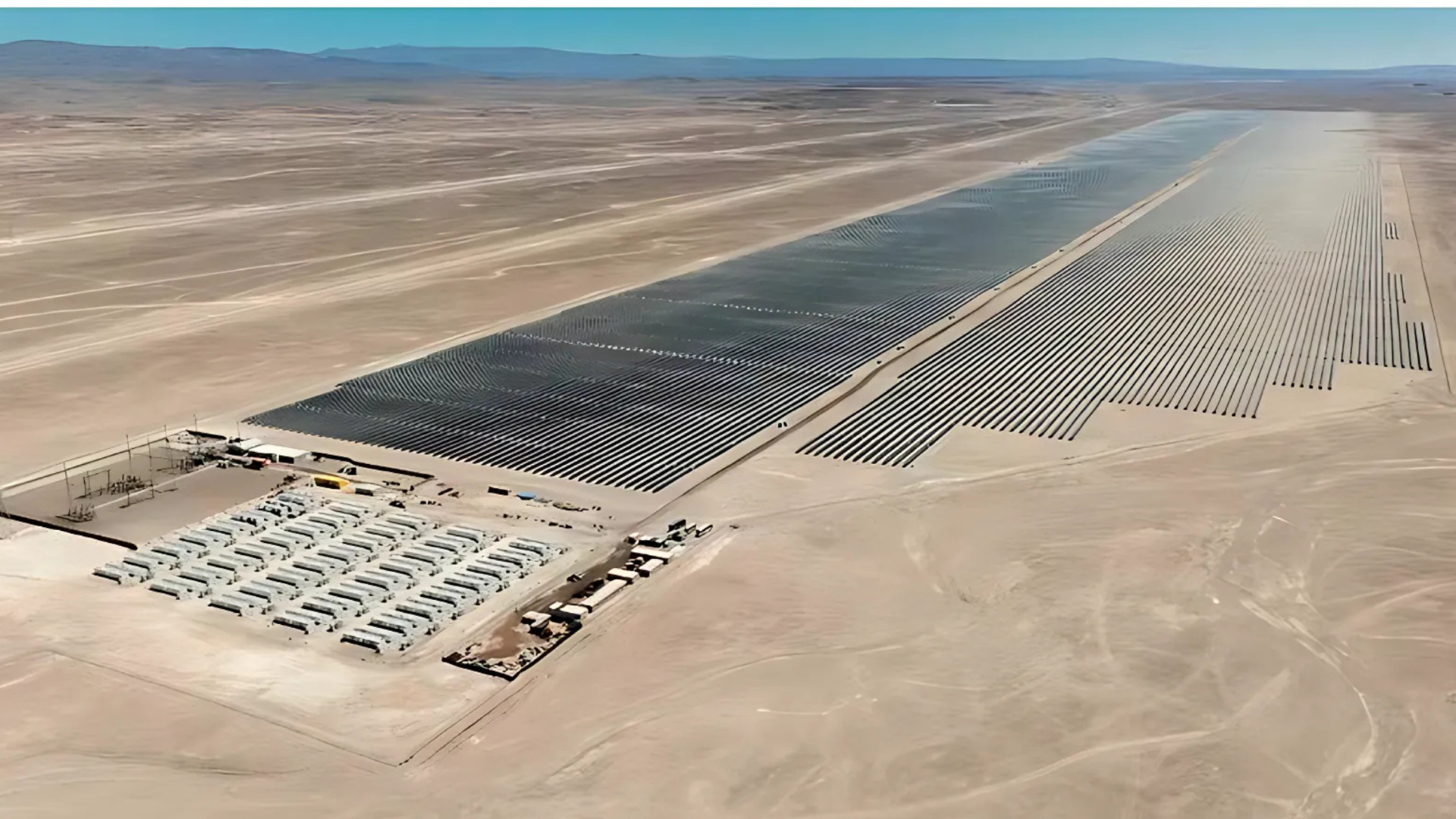
Global renewable energy investments hit $327.5B in H1 2026, solar-plus-storage surges
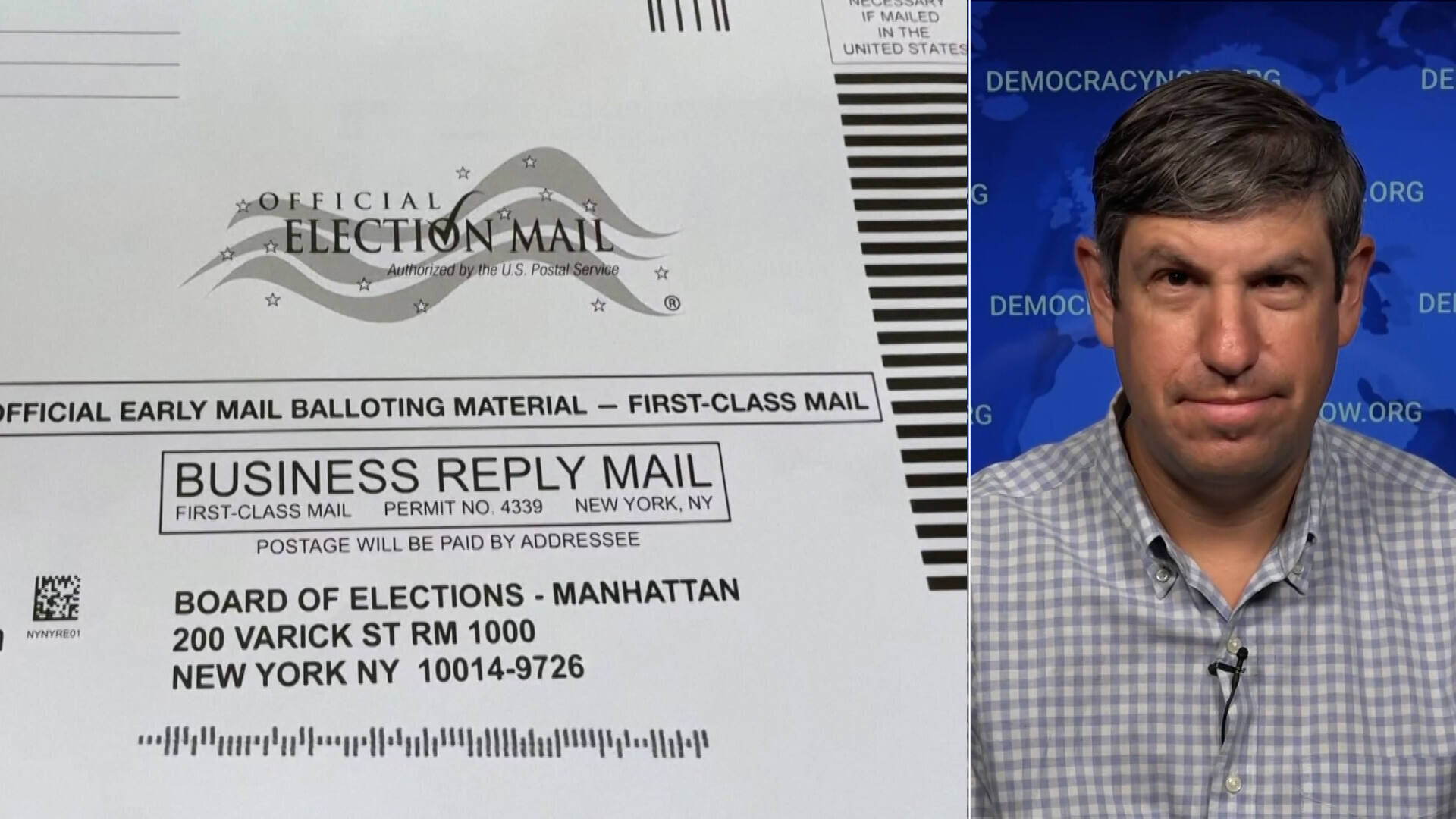
Supreme Court Allows Trump’s Mail-In Voting Restrictions to Proceed: What It Means for Midterms
