Iran sets conditions to reopen Strait of Hormuz amid US tensions, officials say
Iran announces it is drafting conditions for reopening the Strait of Hormuz, demanding practical US steps first. The move escalates regional tensions over critical shipping lanes.

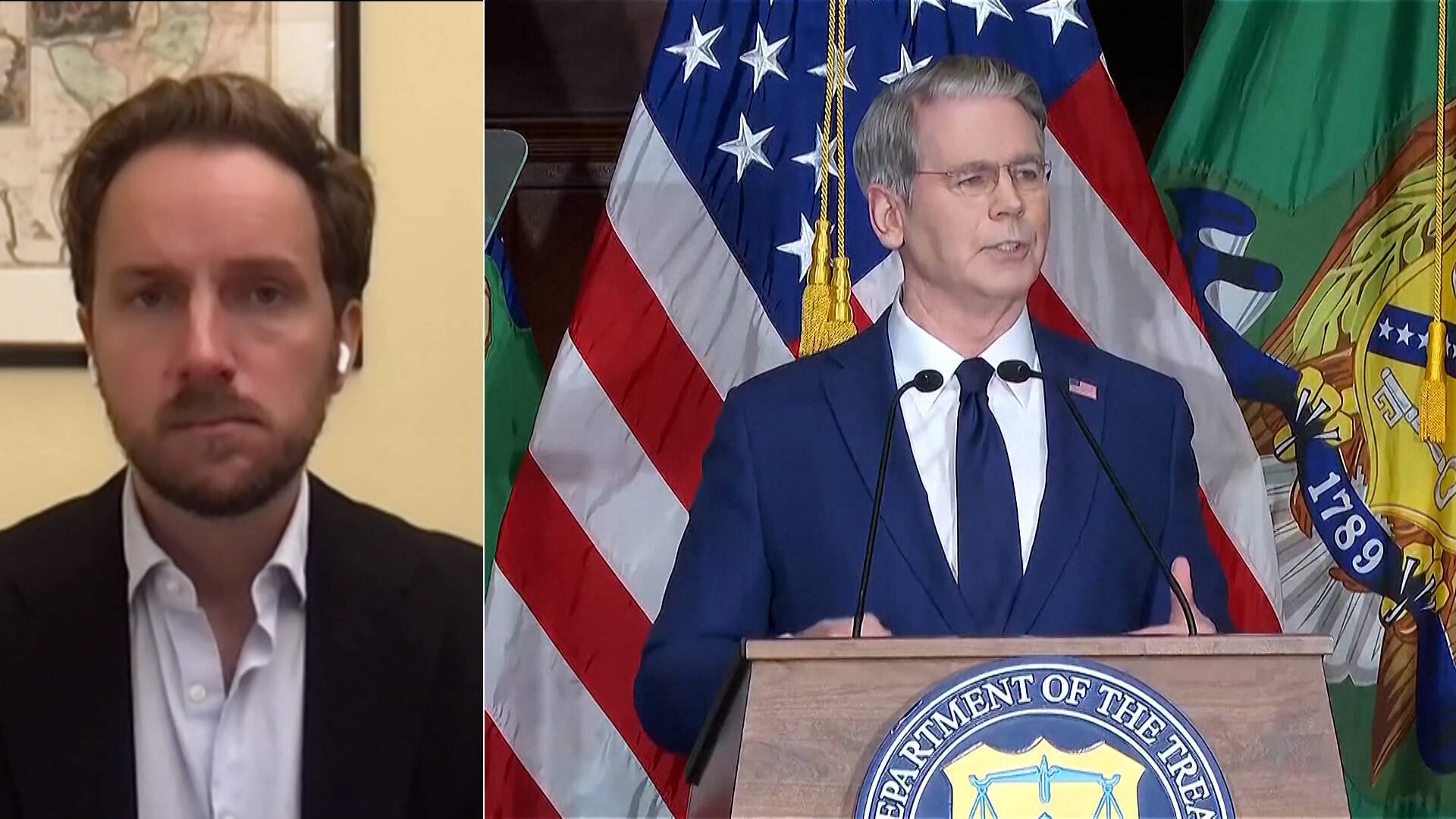
Iran has announced that it is compiling a list of conditions that must be met before the Strait of Hormuz can be reopened, a move that comes after requests from a mediator to the United States. In a statement released on Tuesday, Tehran said the United States must first take concrete steps to satisfy the demands outlined by Iranian officials before the waterway, which is vital to global oil shipments, can resume normal operations.
The Strait of Hormuz, a narrow channel between Iran and the United Arab Emirates, is one of the world’s most strategic shipping lanes. Roughly a fifth of the world’s petroleum passes through it each day, and any disruption can trigger global economic ripples. Iran’s decision to prepare conditions for reopening reflects ongoing tensions between the Iranian government and Washington, which has accused Tehran of threatening the free flow of commerce through the strait.
The statement also highlighted that the conditions list is in response to a mediator’s request, though the identity of the mediator was not specified. Analysts suggest that the mediator could be a neutral party such as a regional or international organization that has been engaged in diplomatic talks to ease pressure on the Strait. Iran’s insistence on the United States taking “practical steps” implies that the U.S. must address specific security or political concerns before any agreement can be reached.
In recent months, the United States has repeatedly called for Iran to lift restrictions on the Strait, citing the need for safe passage for commercial vessels. Iran, meanwhile, has warned that any unilateral action by the U.S. to reopen the waterway without meeting its conditions could lead to further escalation. The two sides have exchanged statements that underscore a mutual distrust, with Iran accusing the United States of attempting to impose its will on a sovereign nation.
The conditions that Iran is preparing are likely to revolve around security guarantees, the removal of U.S. sanctions, and assurances that the United States will not interfere with Iranian interests in the region. While the exact details have not yet been disclosed, Iranian officials have previously indicated that they would not accept unilateral measures that could compromise Iran’s strategic autonomy.
The international community has expressed concern over the potential for a prolonged shutdown of the Strait. Shipping companies have warned that any extended closure would increase freight costs and could trigger a rise in global oil prices. In addition, countries that rely heavily on oil imports from the Middle East have urged both Tehran and Washington to find a diplomatic solution quickly.
The U.S. government has not yet responded to Iran’s statement. Washington has maintained that any reopening of the Strait would be contingent on the removal of sanctions that it claims are undermining the safety of maritime traffic. The U.S. Department of State has repeatedly stated that it will not lift sanctions unless there is a comprehensive agreement that addresses broader security concerns in the region.
Iran’s announcement comes at a time when the country is also dealing with domestic economic challenges, including inflation and a weakening currency. The government has framed the Strait issue as a matter of national sovereignty and economic security, arguing that the U.S. must first demonstrate a willingness to engage in constructive dialogue.
The situation remains fluid. While Iran has signaled its willingness to negotiate under conditions, it has also warned that any U.S. action that does not meet its demands could lead to further measures that might close the Strait entirely. The United Nations has called for all parties to respect international law and to ensure that the flow of commercial shipping is not impeded.
In the coming weeks, observers will be watching for the United States to take “practical steps” as Iran demands. The outcome will have significant implications not only for the Middle East but also for global trade and energy markets. If the U.S. fails to meet Iran’s conditions, the Strait of Hormuz could remain closed, potentially triggering a new wave of diplomatic and economic uncertainty.
Comments (0)
No comments yet — be the first to weigh in.
Related Coverage
 World
World
Slow start makes me want to stay - Norris extends McLaren deal to 2030
Lando Norris has signed a contract extension with McLaren, committing to the team through at least the end of the 2030 Formula 1 season. The 26-year-old British...
 World
World
Wales NHS gender surgeries paused for review into referral numbers
The Welsh Gender Service, based at St David’s Hospital in Cardiff, has temporarily suspended all new and scheduled referrals for gender-affirming surgeries as h...
 World
World
At least 37 dead and hundreds evacuated after strike on Kyiv warehouse
At least 37 people have been killed and nearly 400 evacuated after a Russian drone strike triggered explosions at a warehouse in the Kyiv region late Friday, Uk...
 World
World
Sarah Ferguson Expected to Return to UK Soon, Source Says
Former Duchess of York Sarah Ferguson, who lost her royal titles amid the Epstein scandal, is expected to return to the UK soon, a source told the BBC.
Most Read

Tottenham Hotspur sign Omar Marmoush on loan from Man City with permanent deal option

Nepal Flash Floods Death Toll Rises to 626, Over 2,400 Missing
Nicole Rifkin’s New Yorker Cover Honors Dolly Parton’s Legacy
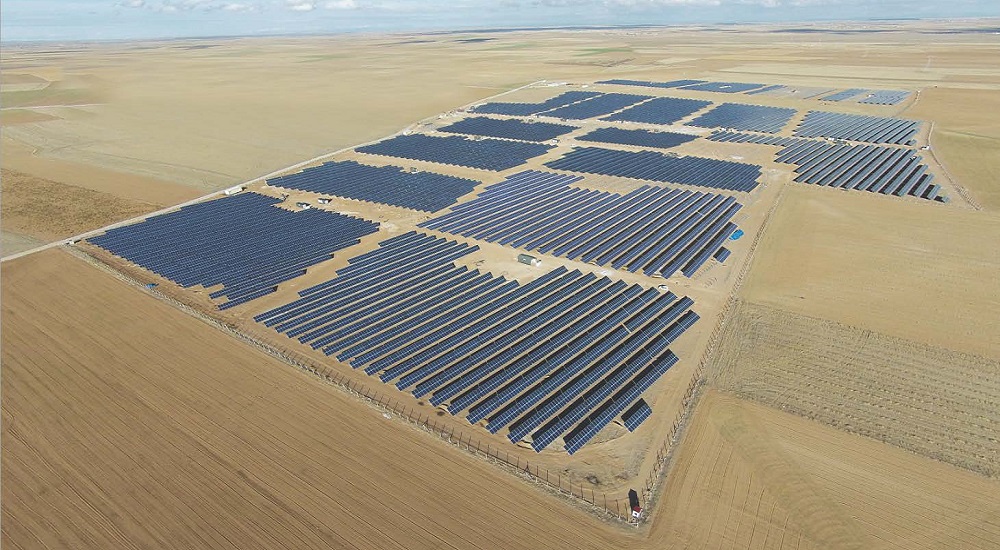
Machine Learning Boosts Irradiance Prediction for Bifacial Solar Panels