iPhone Ultra: Apple's foldable phone to debut with 3 key innovations
Apple's upcoming iPhone Ultra, set for a September 9 reveal, promises a crease-free display, ultra-thin design, and advanced liquid metal hinge technology.

Apple is set to reveal the iPhone Ultra on September 9, the company’s first foldable smartphone. The event will mark a milestone in the foldable market, which has been dominated by Samsung’s first device, the Galaxy Fold, launched in 2019. Apple’s new model is expected to address several long‑standing challenges that have plagued foldable phones: visible creases, bulkiness, battery life, and hinge durability.
The most publicized improvement is a virtually crease‑free inner display. Leaks indicate that the Ultra’s screen will be engineered so that, even when unfolded, a faint crease is either invisible or only detectable under particular lighting and viewing angles. This design goal follows years of speculation that Apple has been working to eliminate the visible crease that has become a hallmark of foldable phones. If successful, the Ultra could set a new standard for display aesthetics in the segment.
Battery and performance are also key focus areas. Apple has reportedly used the iPhone Air, released last year, as a developmental platform to test the thin‑foldable form factor. The Ultra is expected to carry a battery that, while not quite matching the endurance of the iPhone 18 Pro Max, will be sufficient for everyday use. The combination of the new A20 Pro and C2 chips—both built for high efficiency—along with a vapor‑circuit cooling system should deliver solid performance and manage heat effectively. The vapor chamber, a cooling technology that disperses heat through a sealed fluid, is anticipated to keep the device running smoothly even under heavy load.
A standout feature of the Ultra’s hinge is the use of liquid‑metal alloy. Apple first licensed this material more than 15 years ago and has long cited its potential to reduce thickness and weight. Early predictions from the 2010s suggested that liquid metal could enable a smoother, more durable hinge mechanism. Recent reports say the Ultra will incorporate the alloy to create a hinge that is both robust and capable of withstanding frequent folding and unfolding without degradation.
Apple’s decision to wait until now for a foldable iPhone is said to be driven by the company’s commitment to quality. The firm’s internal development timeline indicates that the Ultra’s design has reached a level of refinement that Apple believes will meet consumer expectations for a premium product. The timing of the September 9 launch, which will also showcase other devices in the iPhone lineup, suggests that the Ultra will be positioned as a flagship offering.
The launch event will also likely touch on the broader ecosystem, including the integration of the new chips and the user experience of a foldable form factor. While the Ultra’s exact specifications have not been officially disclosed, the company’s track record of delivering incremental hardware improvements suggests that the device will feature a high‑resolution display, advanced camera systems, and the latest iteration of iOS.
For consumers interested in purchasing the new device, Apple will continue to offer refurbished iPhones at a 15 % discount, a program that has been popular among buyers looking for savings on the latest hardware. The refurbished program provides fully refurbished units that undergo a rigorous testing process and come with a standard warranty.
In summary, Apple’s iPhone Ultra, slated for a September 9 unveiling, promises a crease‑free display, a balanced battery and performance profile powered by the A20 Pro and C2 chips, and a hinge that leverages liquid‑metal technology for durability and smooth operation. The device represents a significant step forward in foldable phone design and is expected to solidify Apple’s position in a market that has been dominated by Samsung for the past seven years.
Comments (0)
No comments yet — be the first to weigh in.
Related Coverage
 Technology
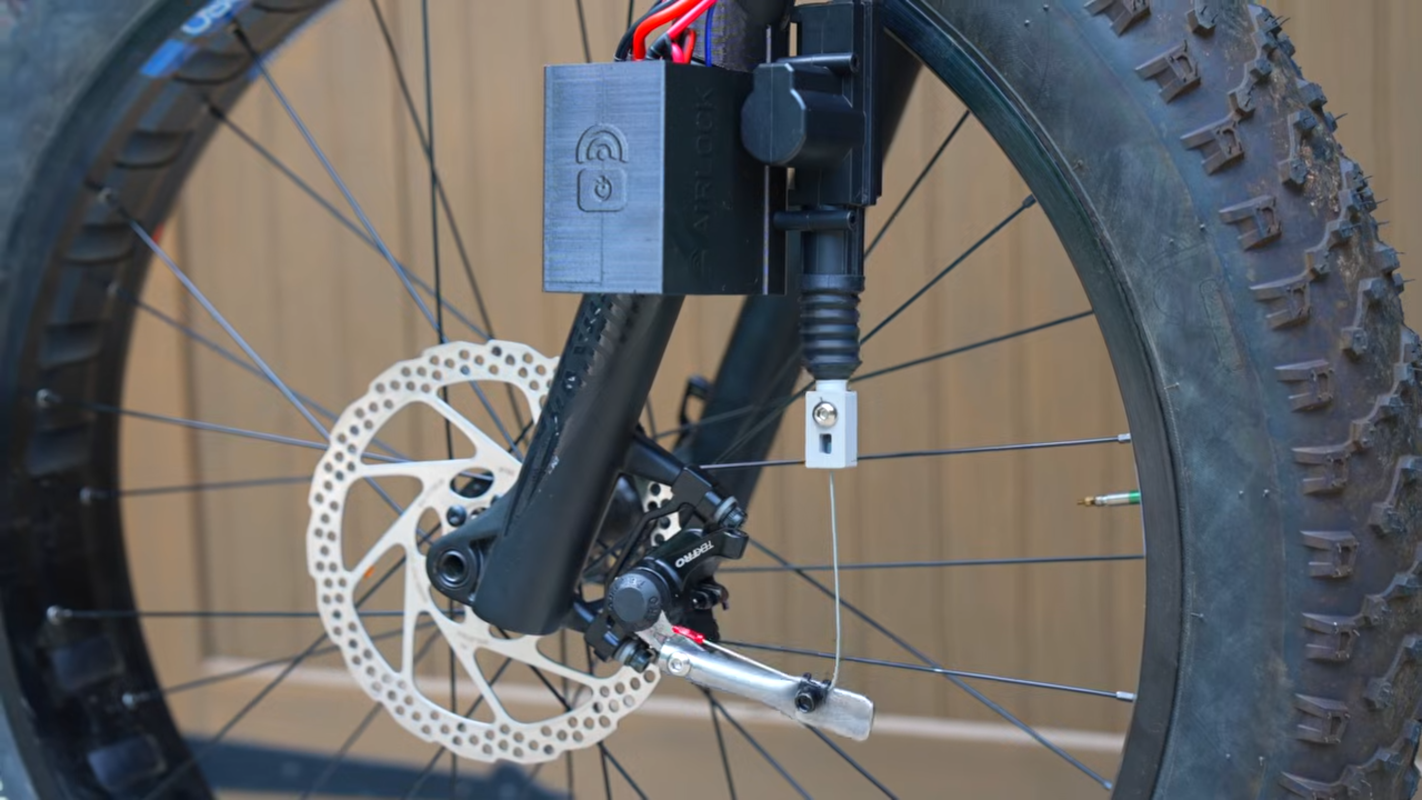
Wireless Fat Tire Brakes: ESP32‑Powered ABS and Remote Control Demo
Tested on a fat‑tire bike, the ESP32‑controlled wireless brakes add ABS, remote‑control, and a braking‑equalizer, showing the future of electronic mountain‑bike braking.
 Technology
Wikipedia on a Cheap Yellow Display
A hobbyist has adapted the Cheap Yellow Display (CYD), a budget-friendly microcontroller board, to serve as an offline Wikipedia reader by running a customized...
 Technology
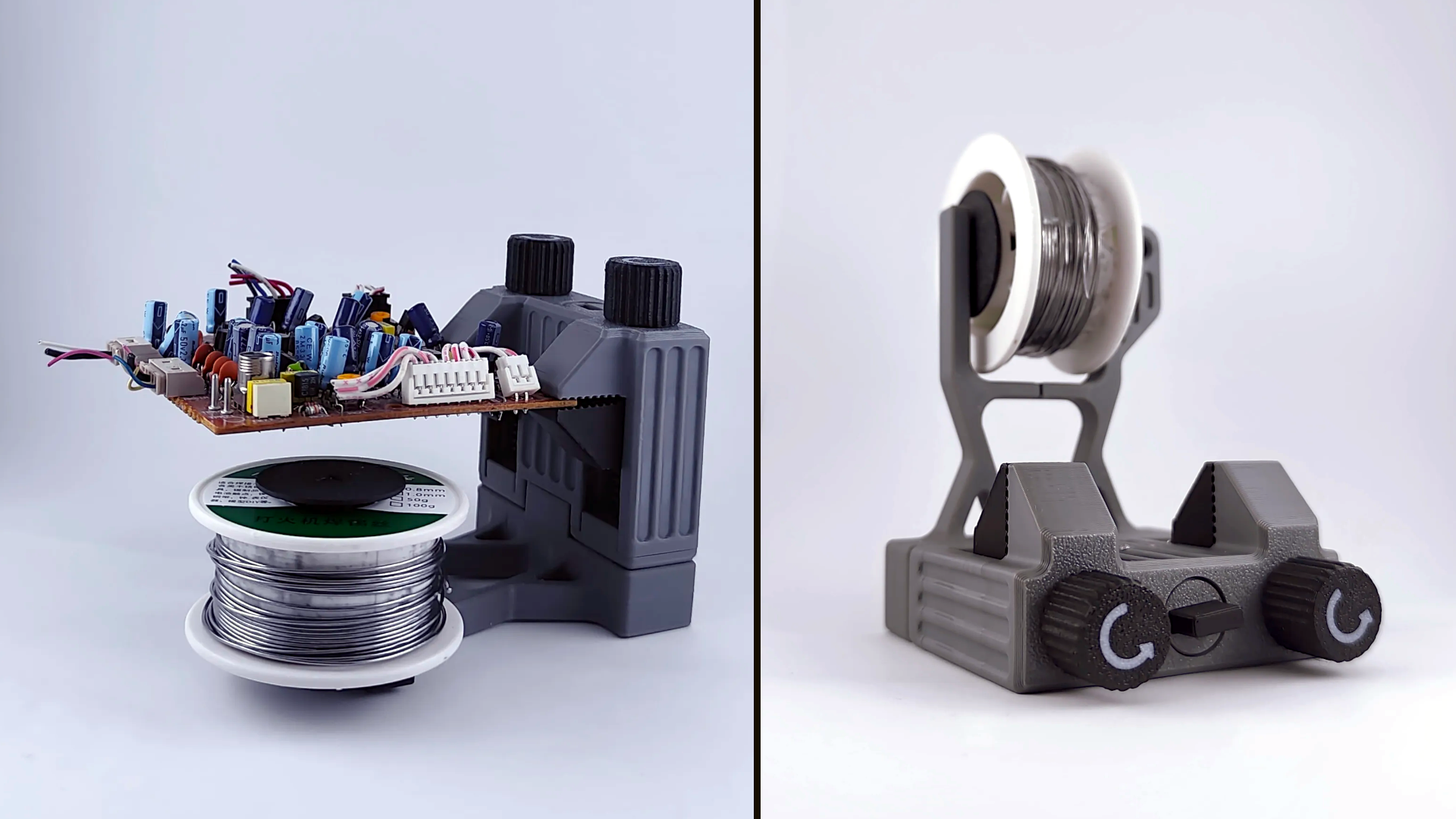
Compact PCB Vise Uses Up That Leftover Filament
A 3D-printed PCB vise created by a maker known online as Chefkoch offers enthusiasts a practical way to repurpose leftover filament spools while gaining a usefu...
 Technology
Apple Health App Revamp with AI Coach Set for September 2024 Release
Apple’s upcoming Health app overhaul, dubbed Project Mulberry, will add an AI health coach, blood‑sugar tracking and camera‑based workout guidance—likely launching in September 2024.
Most Read

Tottenham Hotspur sign Omar Marmoush on loan from Man City with permanent deal option

Nepal Flash Floods Death Toll Rises to 626, Over 2,400 Missing
Nicole Rifkin’s New Yorker Cover Honors Dolly Parton’s Legacy

Machine Learning Boosts Irradiance Prediction for Bifacial Solar Panels