Inside Camp East Montana: 911 Calls Reveal Mental Health Crisis & Deaths
ProPublica’s investigation uncovers 911 calls from Camp East Montana, exposing medical neglect, suicide attempts and three deaths in the Texas detention center.

Camp East Montana, an immigration detention center in El Paso, Texas, has become a focus of national scrutiny after a series of emergency calls and deaths revealed systemic failures in medical care. Over the first six weeks of operation, the facility recorded 160 911 calls and suffered three deaths, making it one of the country’s deadliest detention sites. ProPublica’s investigation, released in July, documents the calls, staff interviews, and legal complaints that point to inadequate medical and mental‑health services.
The first recorded emergency call came on September 12, a month after the center opened. A nurse reported a detainee with suicidal ideation who had swallowed a foreign object and was in severe pain. The nurse said the detainee could no longer speak and was rolling on the floor. An X‑ray confirmed the object, and the nurse requested transport to the nearest hospital for evaluation and possible removal. The call illustrates the urgent medical needs that the facility was unable to address on site.
In the months that followed, the center’s problems escalated. On December 3, 48‑year‑old Francisco Gaspar‑Andres died of liver and kidney failure. A month later, 55‑year‑old Cuban national Geraldo Lunas Campos was found dead after an altercation with guards over his medication. A medical examiner ruled his death a homicide. The investigation showed that Lunas Campos had repeatedly voiced concerns about his mental health, yet staff failed to transfer him to a facility better equipped to treat him. His death highlighted the lack of a coordinated response to detainees with known psychiatric conditions.
A third death occurred on January 3, 2026, when 36‑year‑old Nicaraguan Victor Manuel Díaz was found unresponsive with a piece of fabric around his neck. An autopsy has not yet been released. In February, a 60‑year‑old detainee overdosed on pills; a nurse reported that the overdose was intentional and that the staff had no knowledge of the drug taken.
The emergency calls also reveal a pattern of families and friends calling 911 on behalf of detainees. On October 12, a man from North Texas called three times to seek care for a partner with kidney stones, accusing the center of refusing to call emergency services. A Venezuelan detainee, identified only as Xavier, complained of a hunger strike and “torture” after being denied information about his case. These calls underscore a broader issue of detainees lacking access to timely medical care.
Medical staff inside the center have expressed frustration over limited resources. A nurse dialed 911 for a 46‑year‑old woman with COVID‑19 who was short of breath and had low oxygen saturation. The nurse noted that the facility had no oxygen available. In another call, a nurse explained that a patient had been sick for days and had not been brought into the clinic, only being admitted the same day. These accounts point to shortages of equipment, personnel, and protocols for handling acute medical emergencies.
The U.S. Department of Homeland Security (DHS) has denied allegations of inhumane conditions. A DHS spokesperson said the facility provides “comprehensive medical services, including mental health services,” and that detainees are referred to local emergency services when higher‑level care is needed. The spokesperson also claimed that the healthcare received by many detainees is the best they have ever had. The spokesperson declined to comment on specific incidents raised by ProPublica.
Despite the allegations, ICE plans to keep Camp East Montana operational at least through September 30, 2027, according to an Associated Press report. The center’s continued use has drawn criticism from civil‑rights groups and legal advocates who argue that the facility’s shortcomings violate federal and state standards for the treatment of detainees.
ProPublica’s investigation, based on public‑records requests for over 160 emergency call recordings, staff interviews, and legal filings, paints a picture of a detention center struggling to meet basic medical and mental‑health needs. The calls, many of them difficult to listen to, expose gaps in the system that extend beyond individual incidents. They also raise questions about whether the center’s operations comply with federal regulations governing the treatment of detained immigrants.
Comments (0)
No comments yet — be the first to weigh in.
Related Coverage
 Politics
Autumn Hill Sentenced to 50 Years in Prison for Anti-ICE Protest: A Case of Political Persecution?
Activist Autumn Hill received a 50-year prison sentence for protesting outside a Texas ICE facility. Critics call her conviction a politically motivated use of terrorism charges against anti-fascist demonstrators.
 Politics
Headlines for August 26, 2026
Iran has resumed talks with Oman about managing the Strait of Hormuz while tensions in the region remain high, despite economic pressure from the United States....
 Politics
Karen Attiah Wins Reinstatement at Washington Post After Arbitration Victory
Award-winning Washington Post columnist Karen Attiah has been reinstated with back pay after an arbitrator ruled in her favor following her controversial firing over social media posts about Charlie Kirk.
 Politics
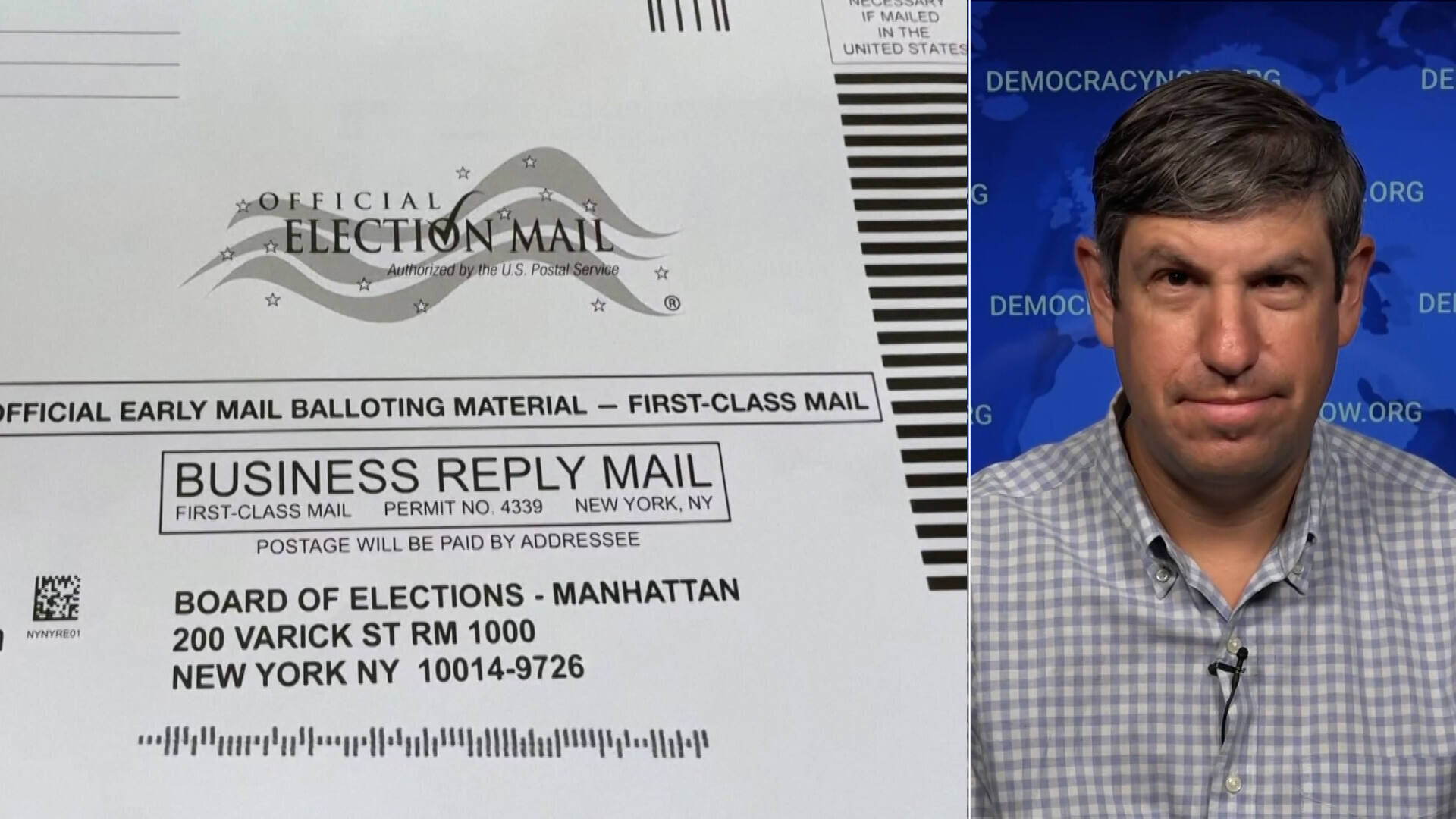
Supreme Court Allows Trump’s Mail-In Voting Restrictions to Proceed: What It Means for Midterms
The Supreme Court’s 6-3 decision lifts an injunction on Trump’s executive order restricting mail-in voting, raising concerns over potential voter disenfranchisement ahead of the midterm elections.
Most Read

Three-storey building collapses at Swaminarayan temple in Prayagraj, no casualties
Kai Bird Explores Roy Cohn's Influence on Donald Trump's America

Canada's Solar Energy Growth: Provinces Chart Diverse Paths to 2035 Goals
Autumn Hill Sentenced to 50 Years in Prison for Anti-ICE Protest: A Case of Political Persecution?
